How to Plan the Perfect Irish Golf Trip
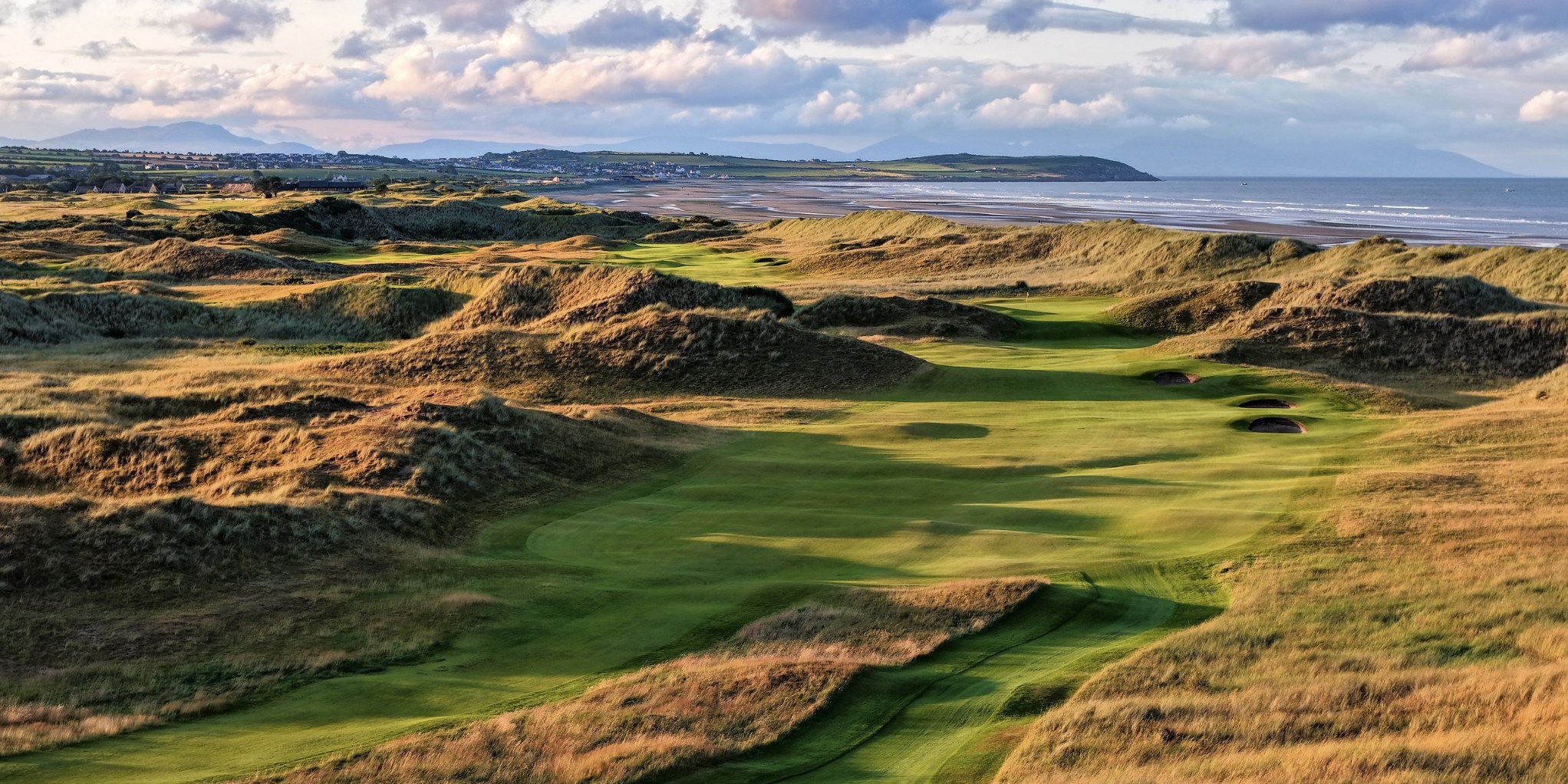
A trip of a lifetime. That's why you're doing this! Nothing less should be the goal. Whether it's a long weekend or 2 weeks of crisp iron shots on links turf, this should be a vacation you never forget.
Getting it right isn't just about avoiding costly mistakes - it's about maximizing the experience. After seeing thousands of golfers come through these shores, we've gathered every crucial learning in the ultimate GemTees guide for you.
Research shows you should start with 3 questions
Before you start shortlisting courses (we know you already have), there's 3 questions you each player in your group must answer. These will make or break the core of your trip.
- What's the one course they absolutely must play (ideally).
- One non-golf thing they absolutely must do.
- One thing they don't care about.
Simple questions yes, but in our experience answering these questions will significantly reduce the chance of arguments, disappointment or if you're travelling with a partner, divorce.
Who cares!? We want to play Ballybunion!
And rightly so. The above questions matter because you're about to be spoiled for choice. Really spoiled! Ireland is matched only by Scotland for sheer number of links courses AND density of world-class courses. Parklands too. Meaning a lifetime may not be enough to truly experience them all.
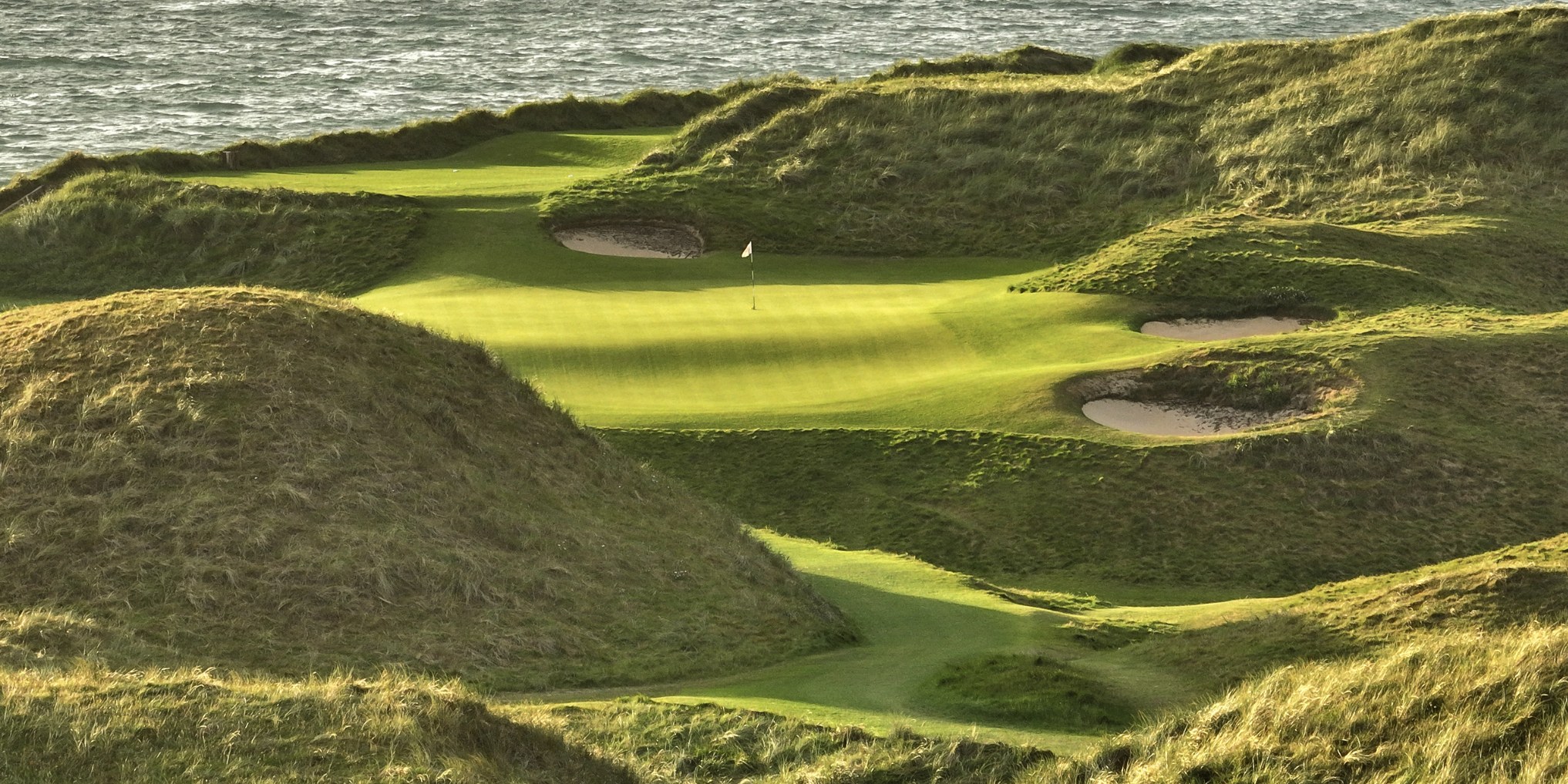
Build with anchors
All great Irish golf trips are built the same way. Picking anchor courses and overnight locations. Why?
- Top courses need to be booked 12-18 months in advance (don't panic - read on).
- You won't get all the courses you want.
- Ireland is small but it takes longer than you might think to travel between top courses.
So, first you need to secure as many top-tier preferred courses as possible (the must-plays from the 3 questions above), then you'll know where you need to stay, then you can add in secondary courses that are accessible to your overnight locations.
Wait, Why won't we get all the courses we want?
Put simply, Ireland is one of the most in-demand golf locations in the world. The Ryder Cup, The Open Championship and centuries of legendary course architecture mean you'll be competing with 220,000 other golfers for tee-times. Marquee courses only offer limited spaces for visitors. They can also be selective about who they accept, with many preferring to deal mostly with travel agencies (more on that later).
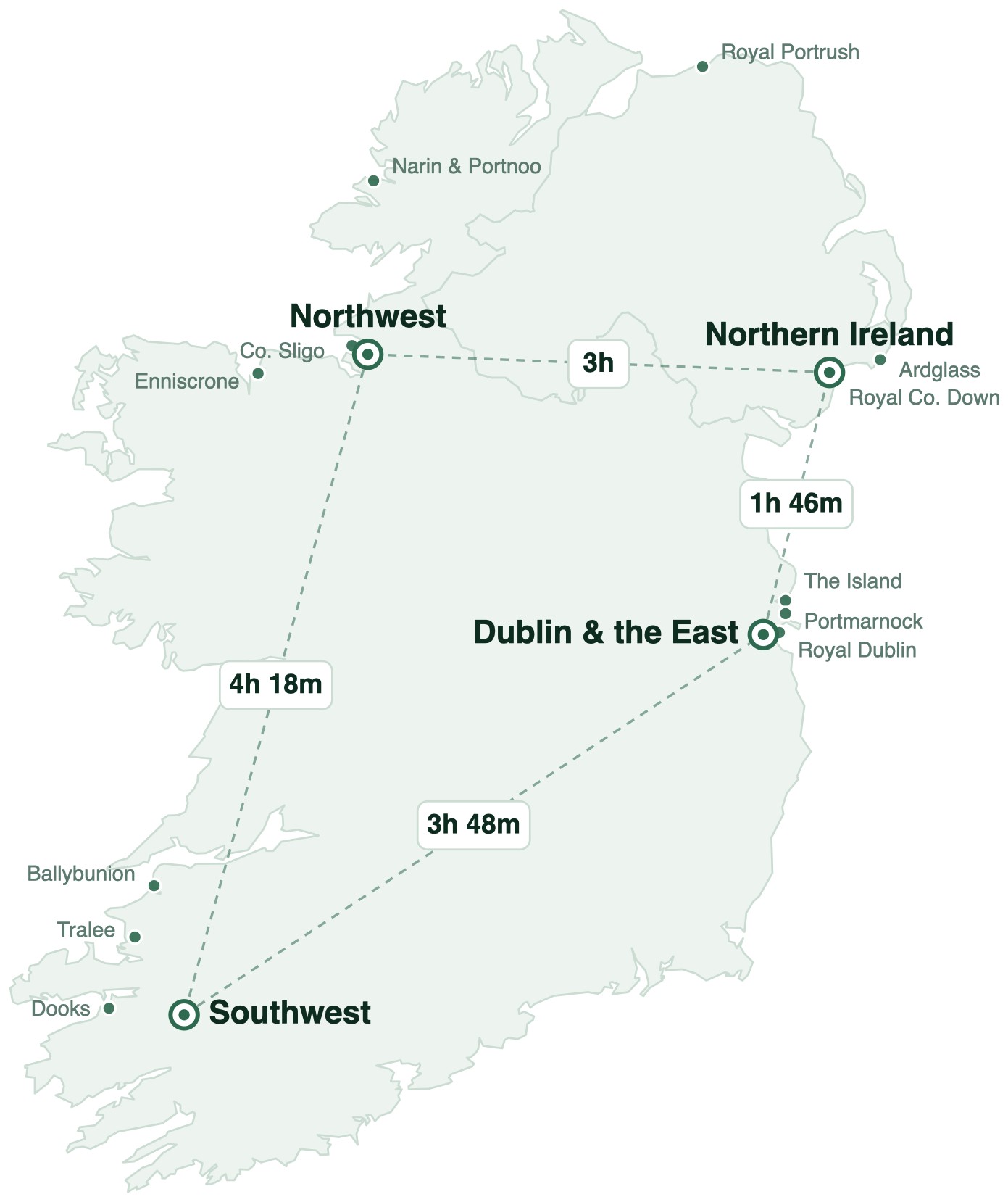
Ireland's golfing regions - know the map
While you'll find top-tier golf across the island, there are several hubs most popular with visitors. View a snapshot below to get your bearings and a sense of travel time between each.
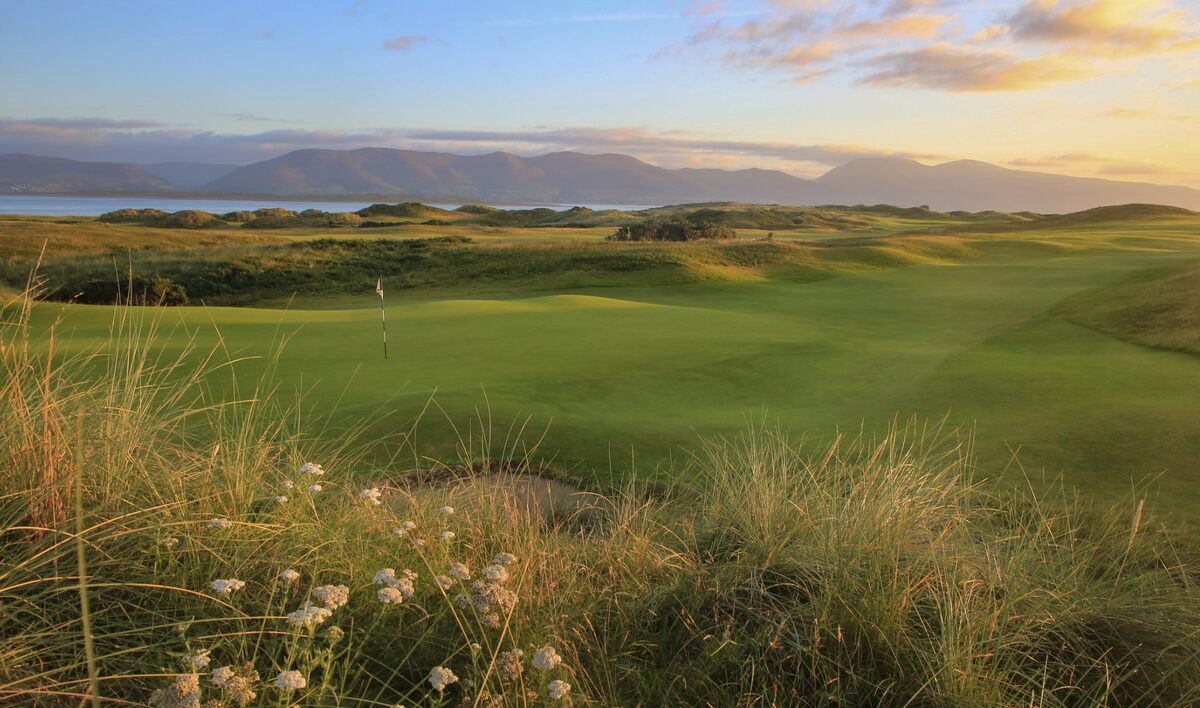
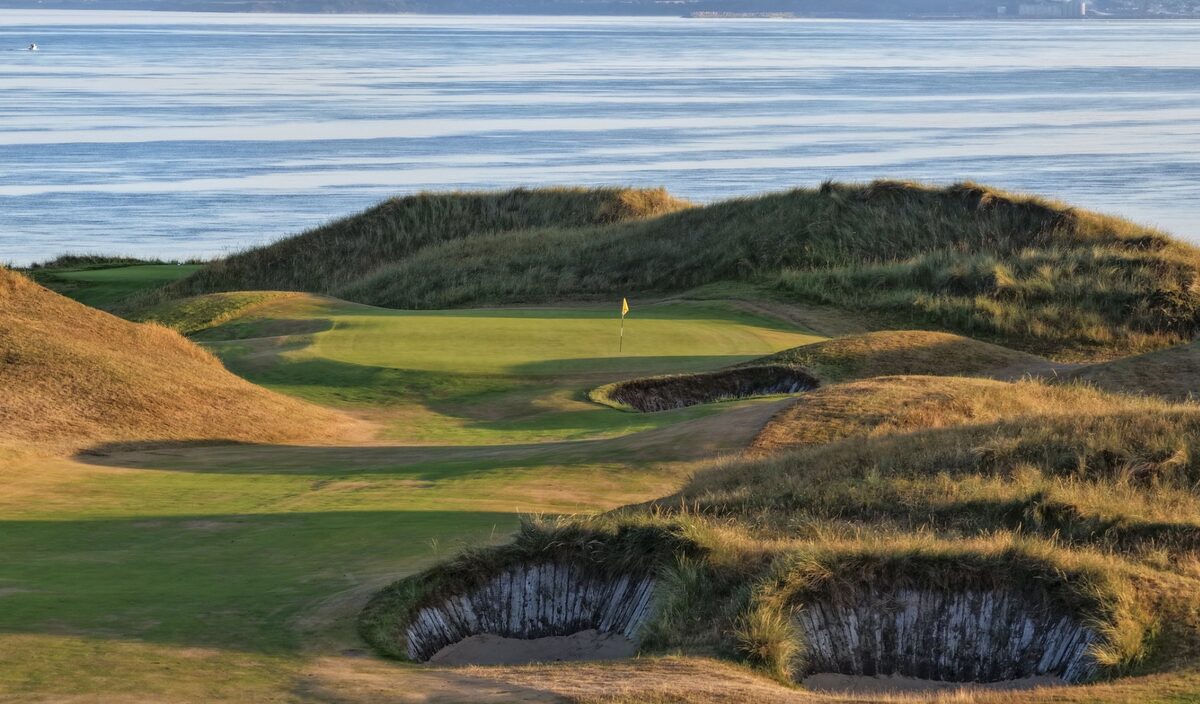
1 Southwest (Counties Kerry, Clare, Cork)
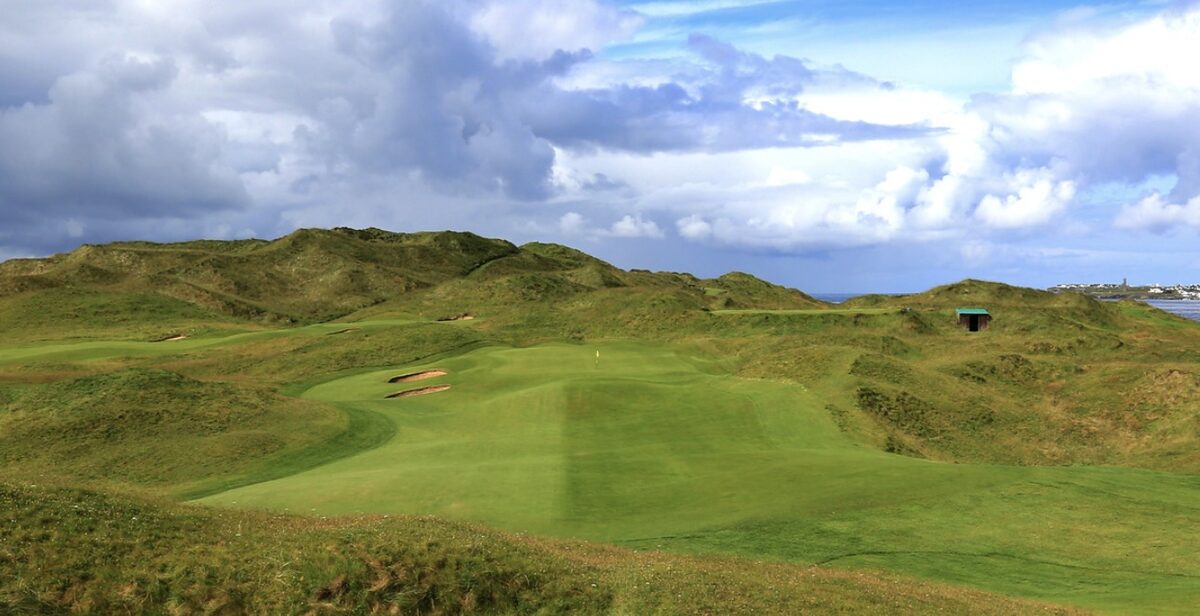
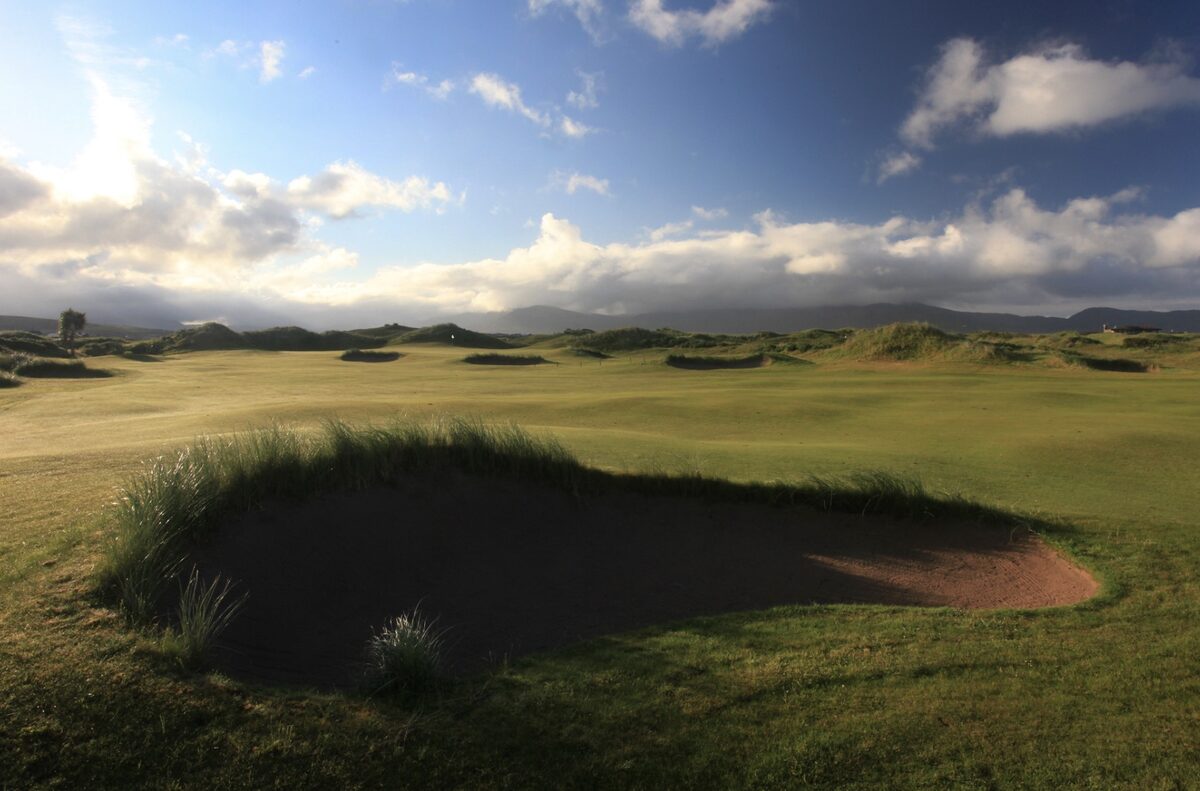
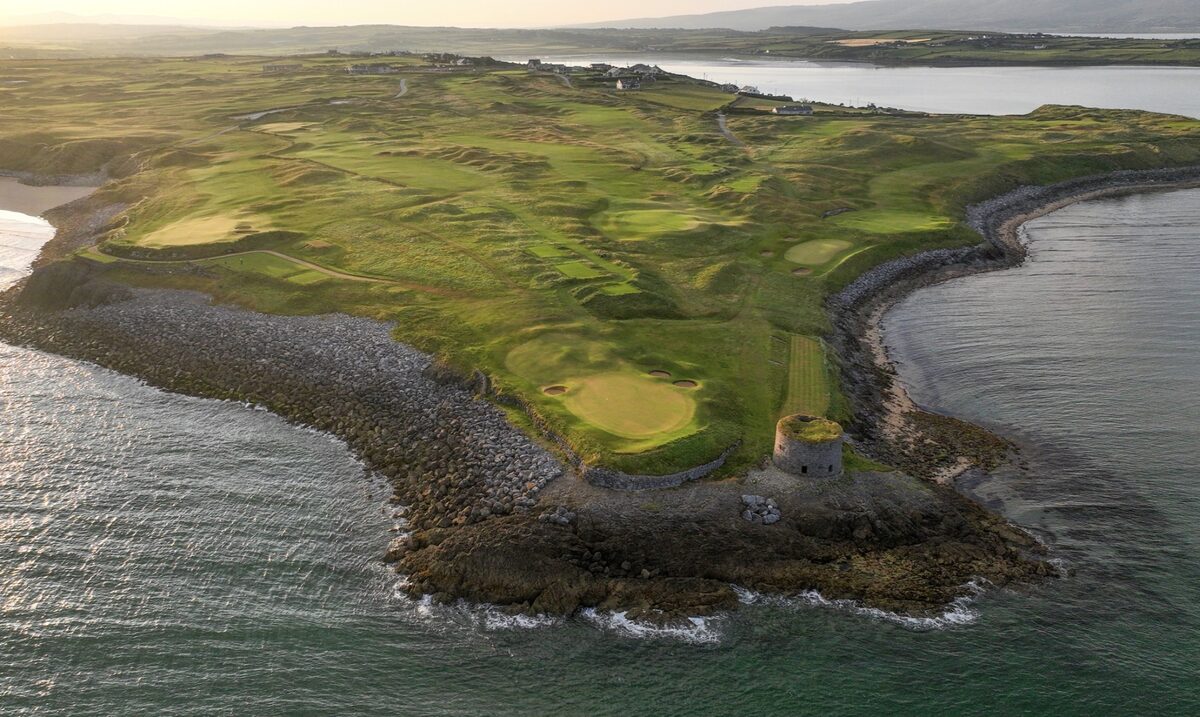
Vibe: Perhaps the most visited and famous region featuring towering dunes, cliffside views and beautiful remote towns.
Popular Courses:
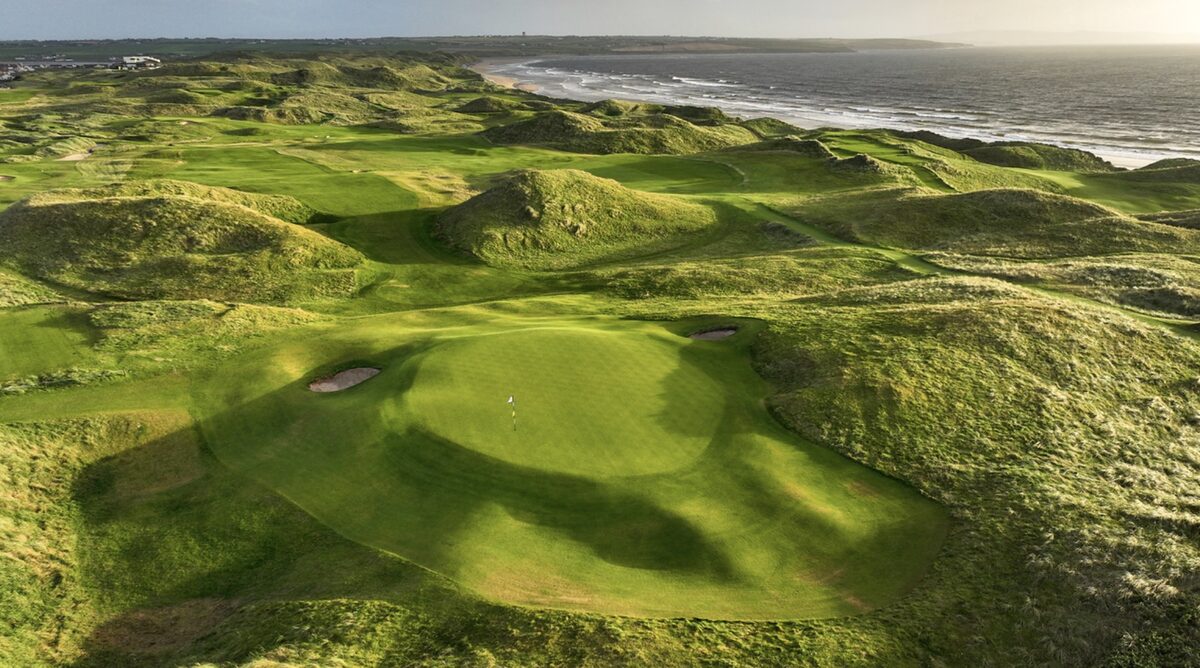
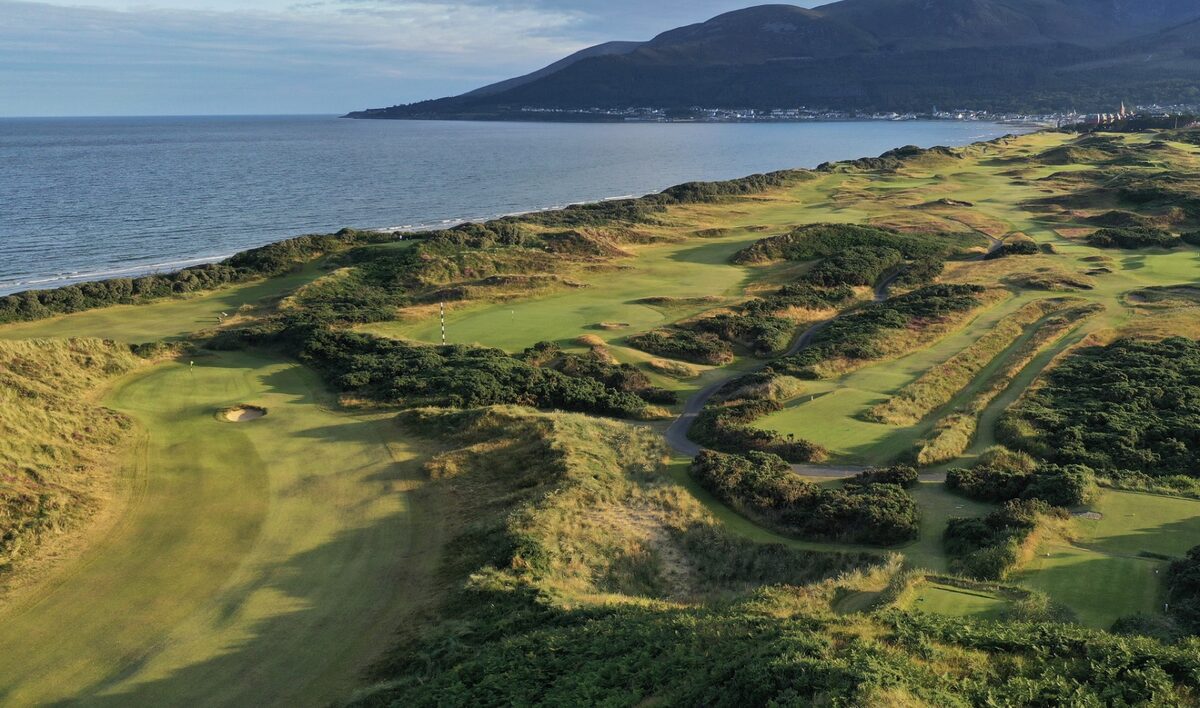
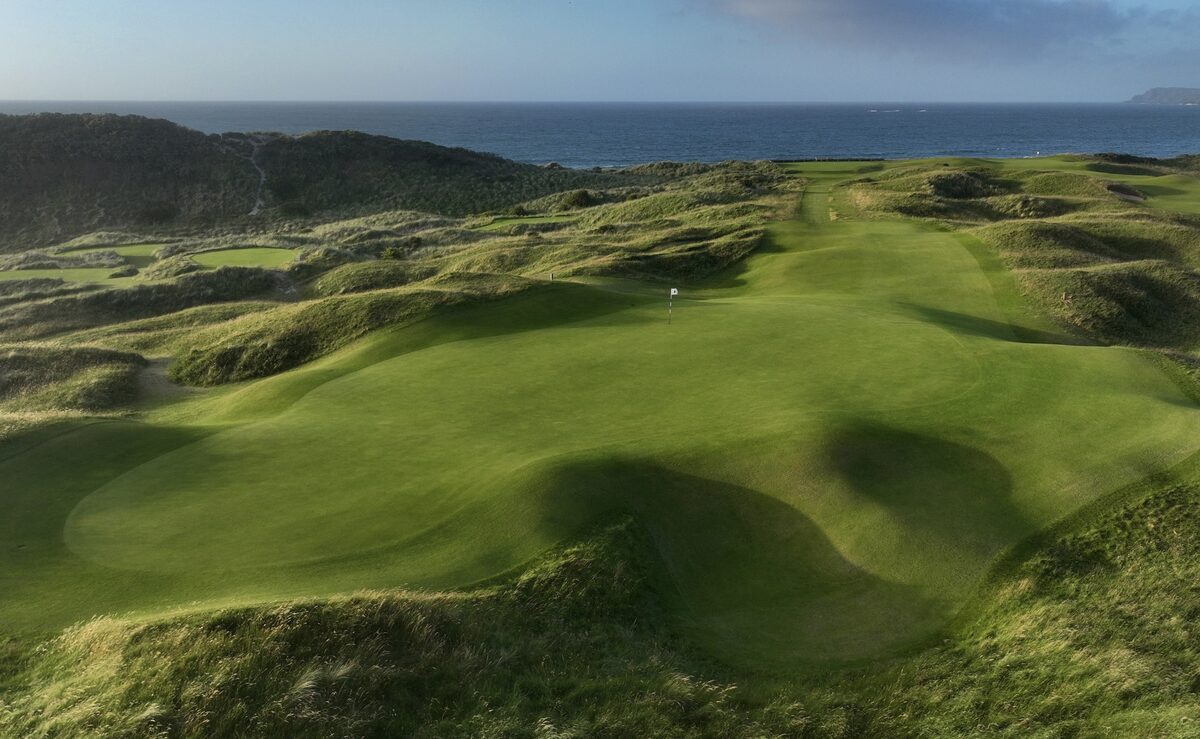
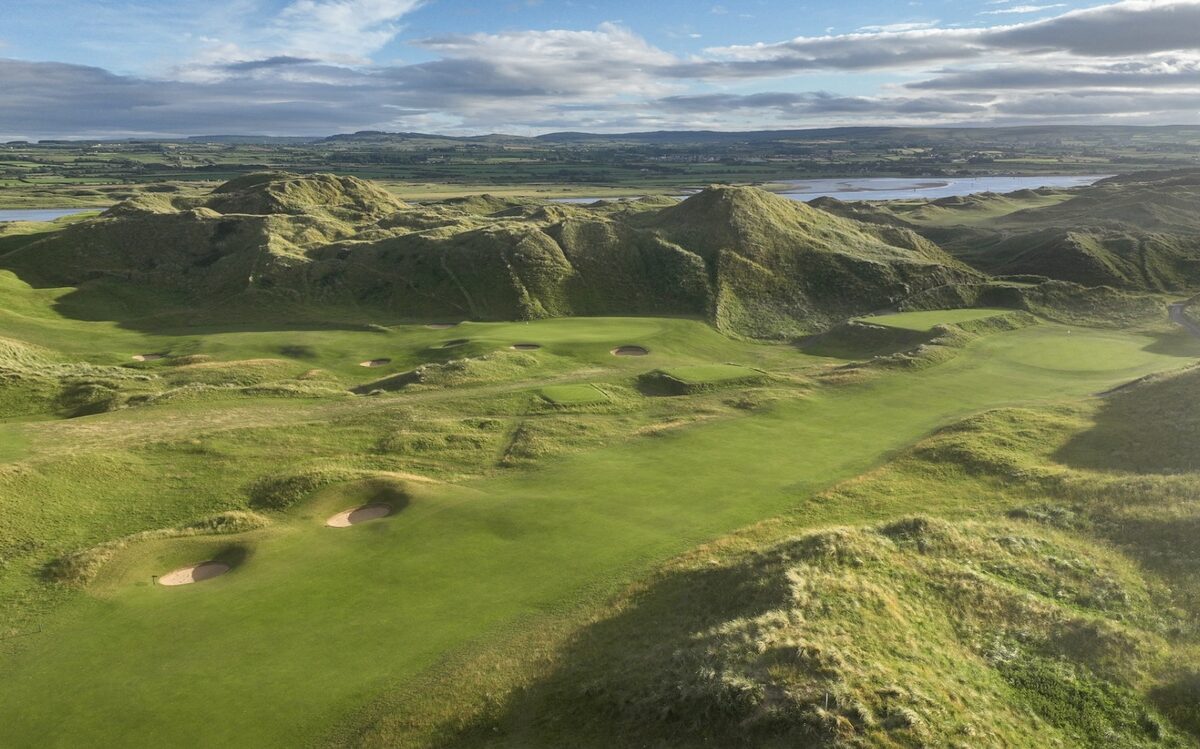
2 Northern Ireland (Antrim, Down, Derry)
Vibe: The home of two 'world's best' championship links and rugged coastal experiences.
Popular Courses:
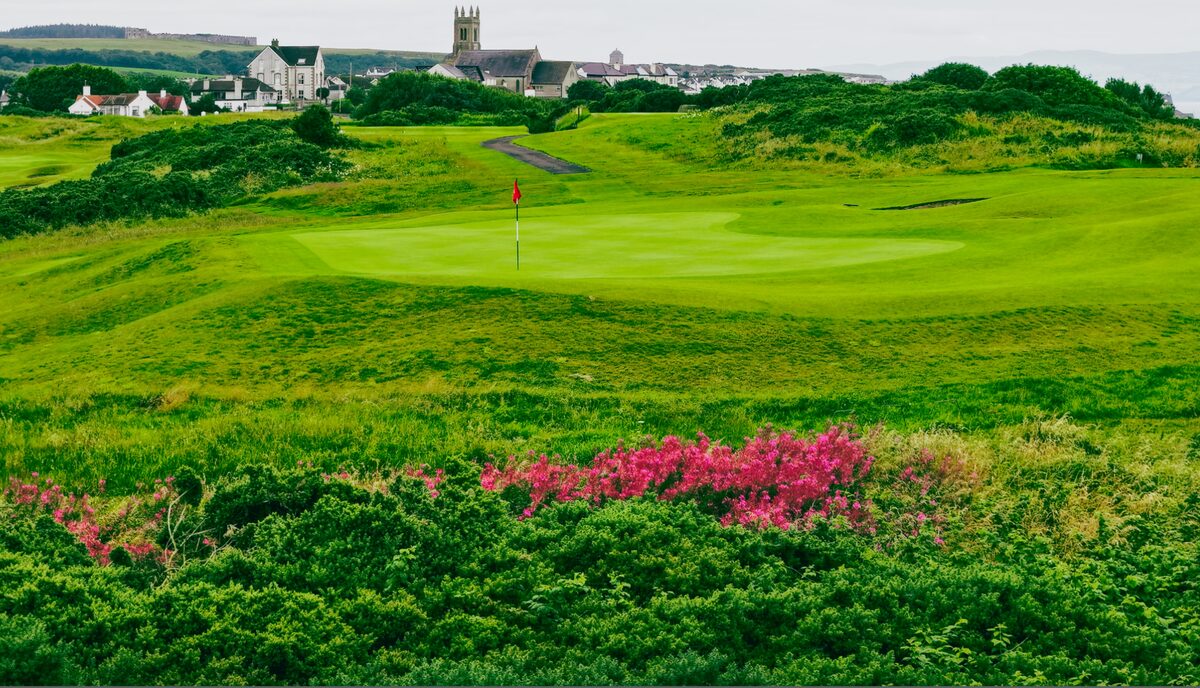
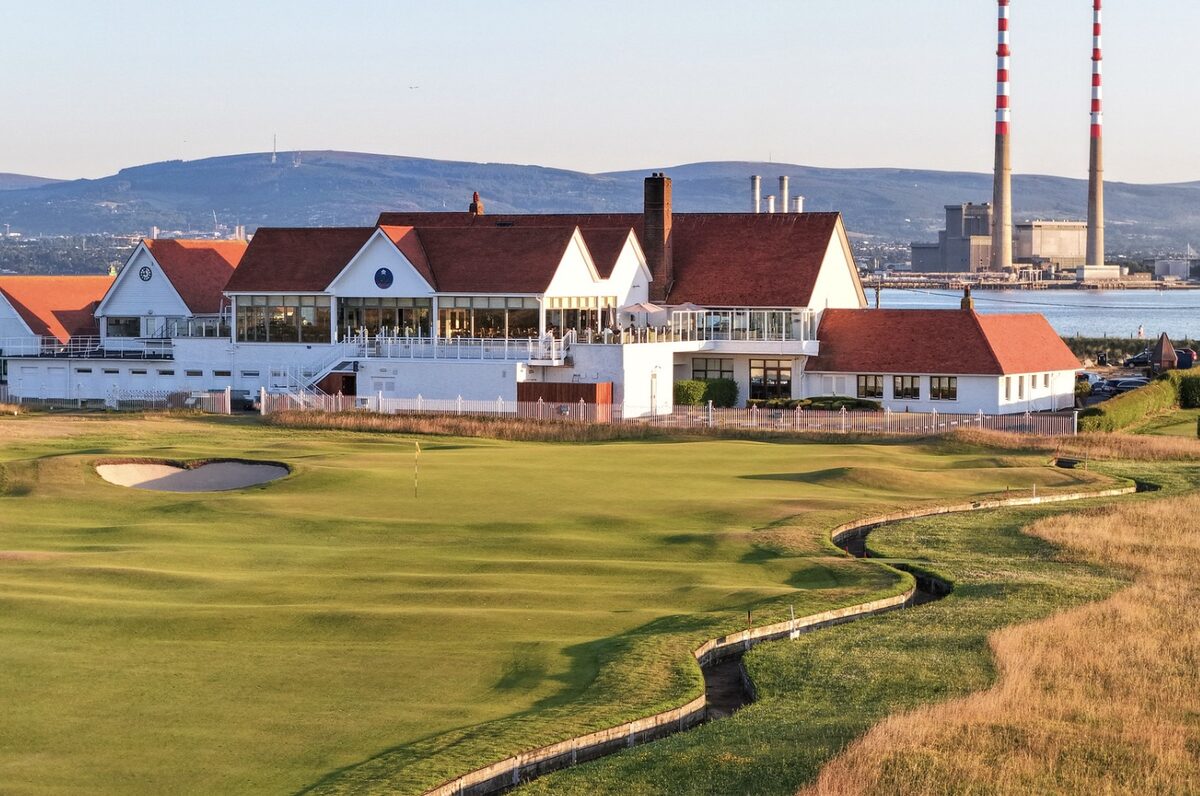
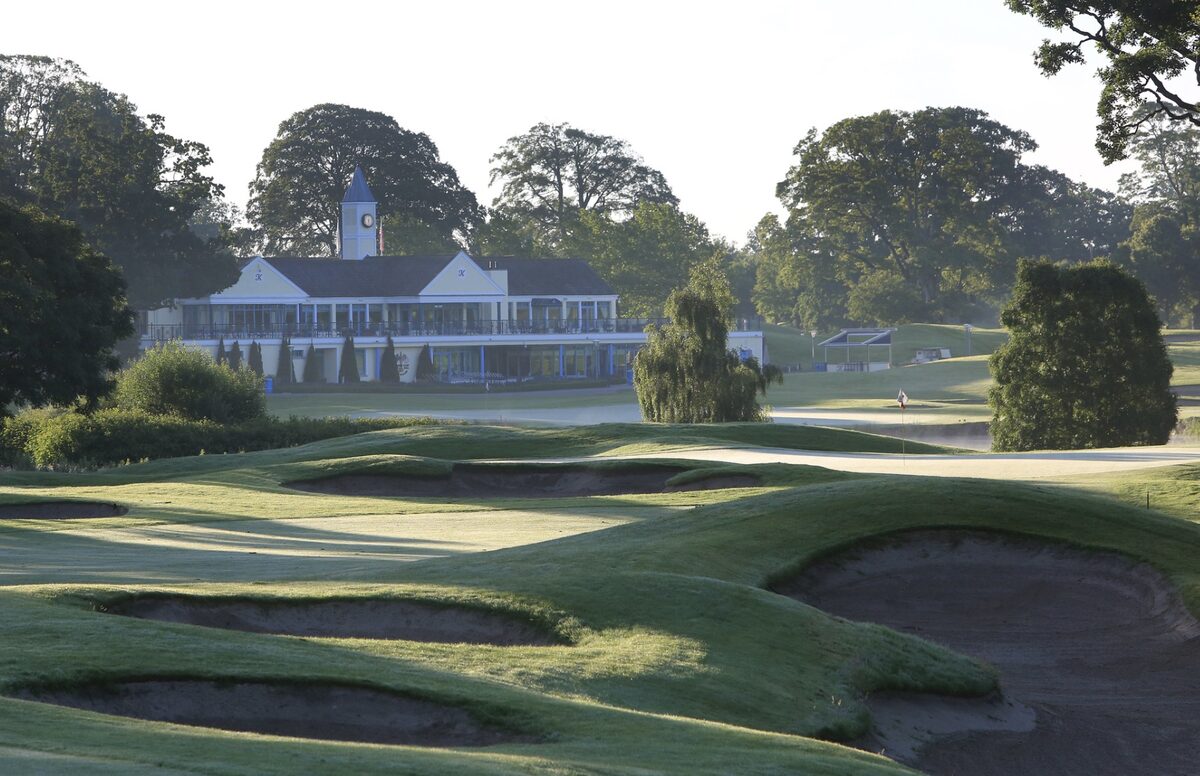
3 Dublin & East Coast (Dublin, Wicklow, Louth, Kildare)
The Vibe: A rich blend of the historic capital city with multiple world-class links and parkland courses on your doorstep. Something for everyone.
Popular Courses:
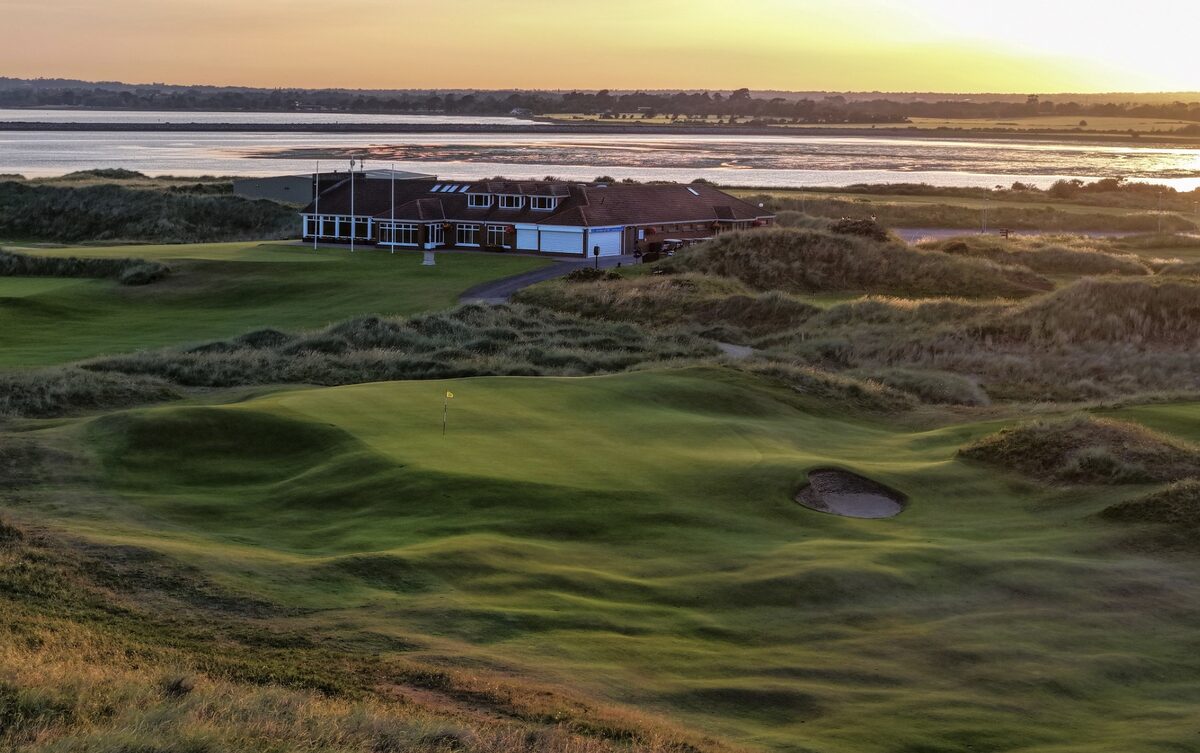
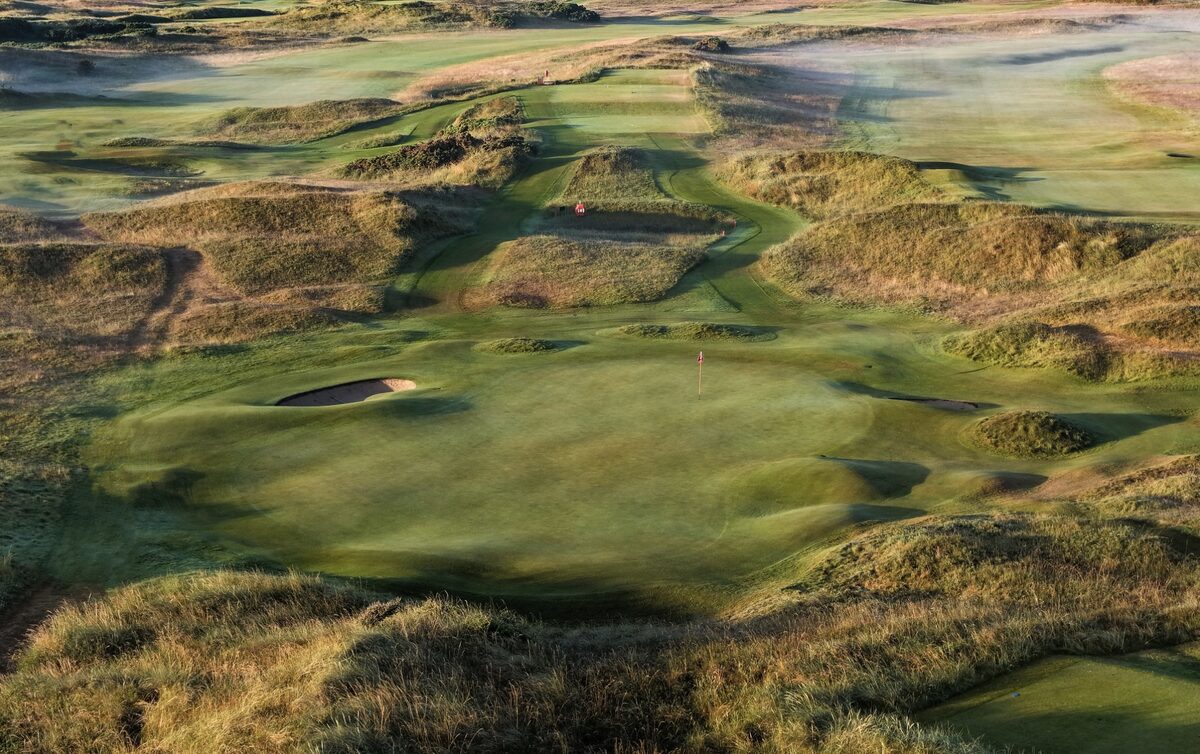
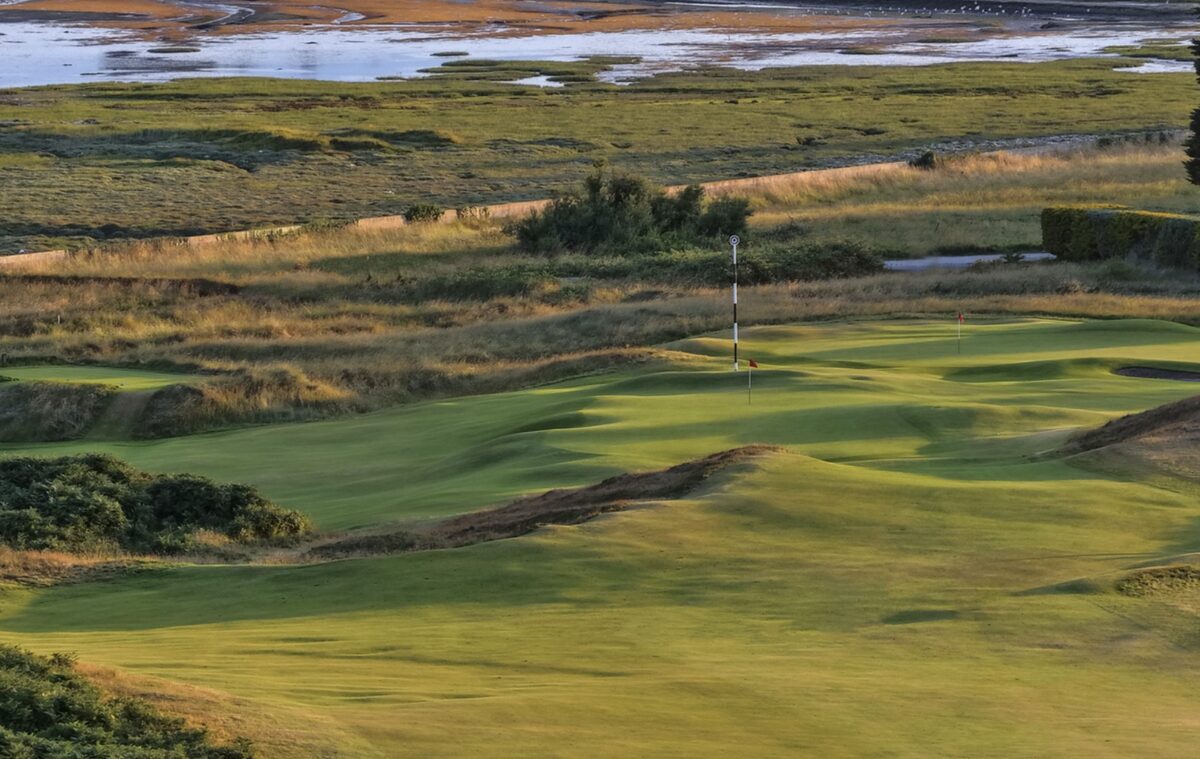
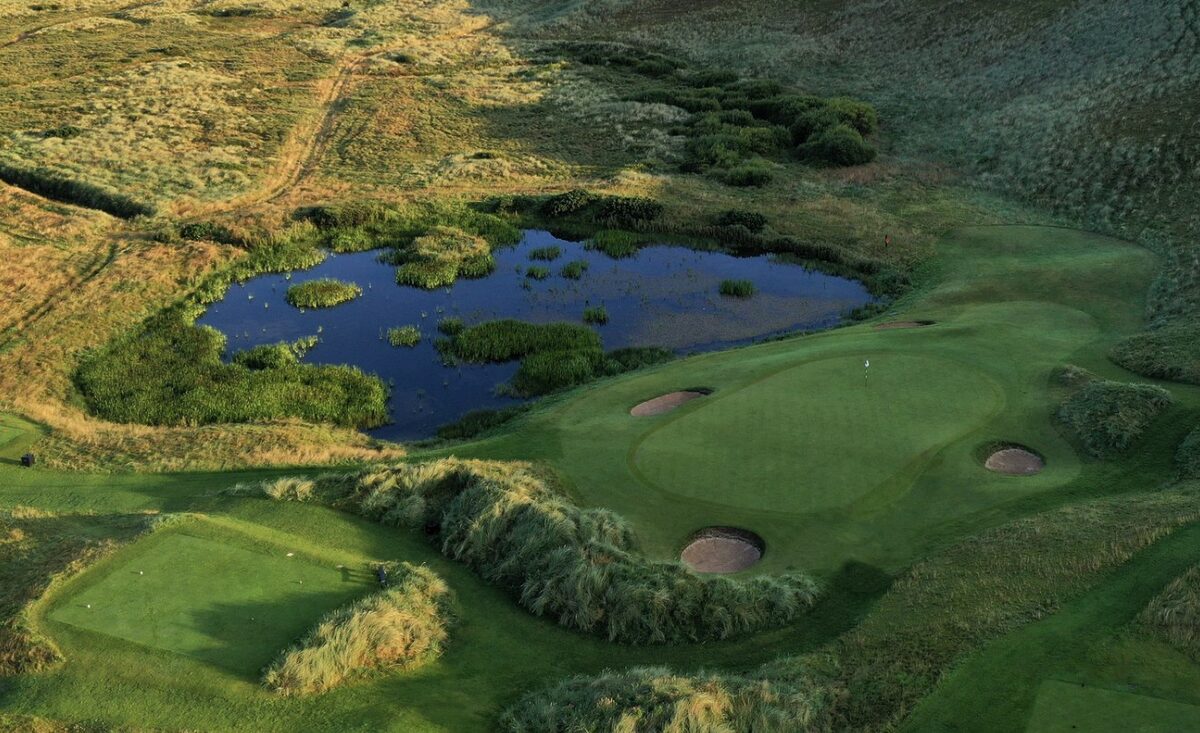
4 Northwest (Sligo, Mayo, Donegal)
The Vibe: The most untamed part of the Wild Atlantic Way. Raw, pure and perhaps the most underappreciated stretch of golf in the western world.
Popular Courses:
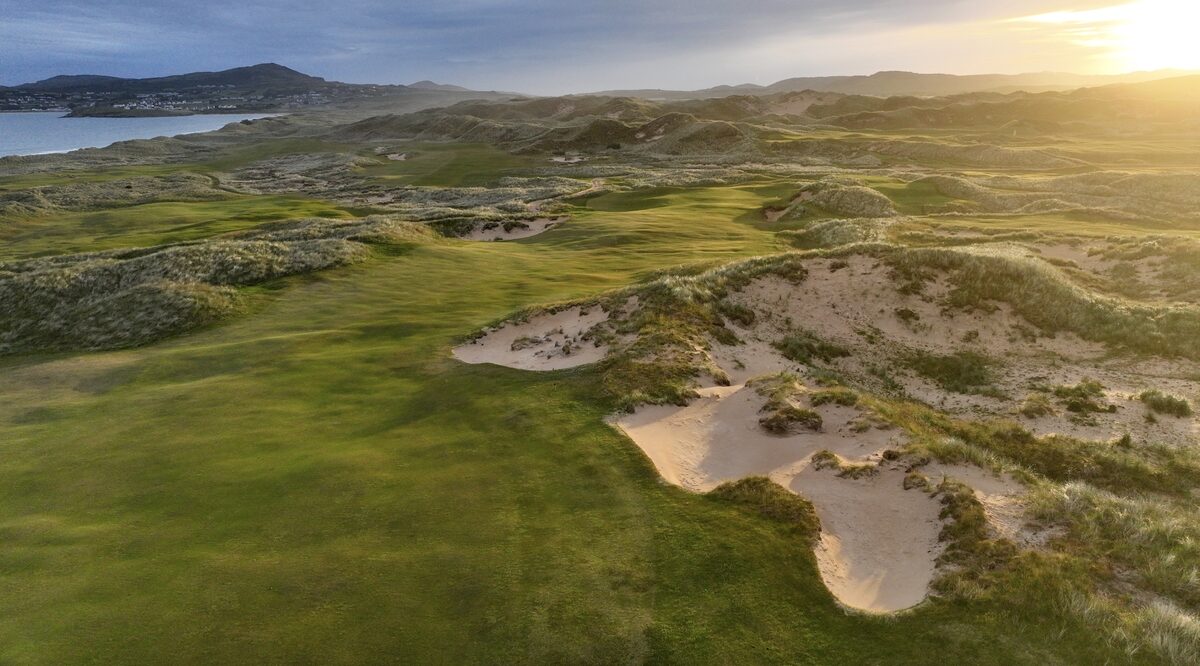
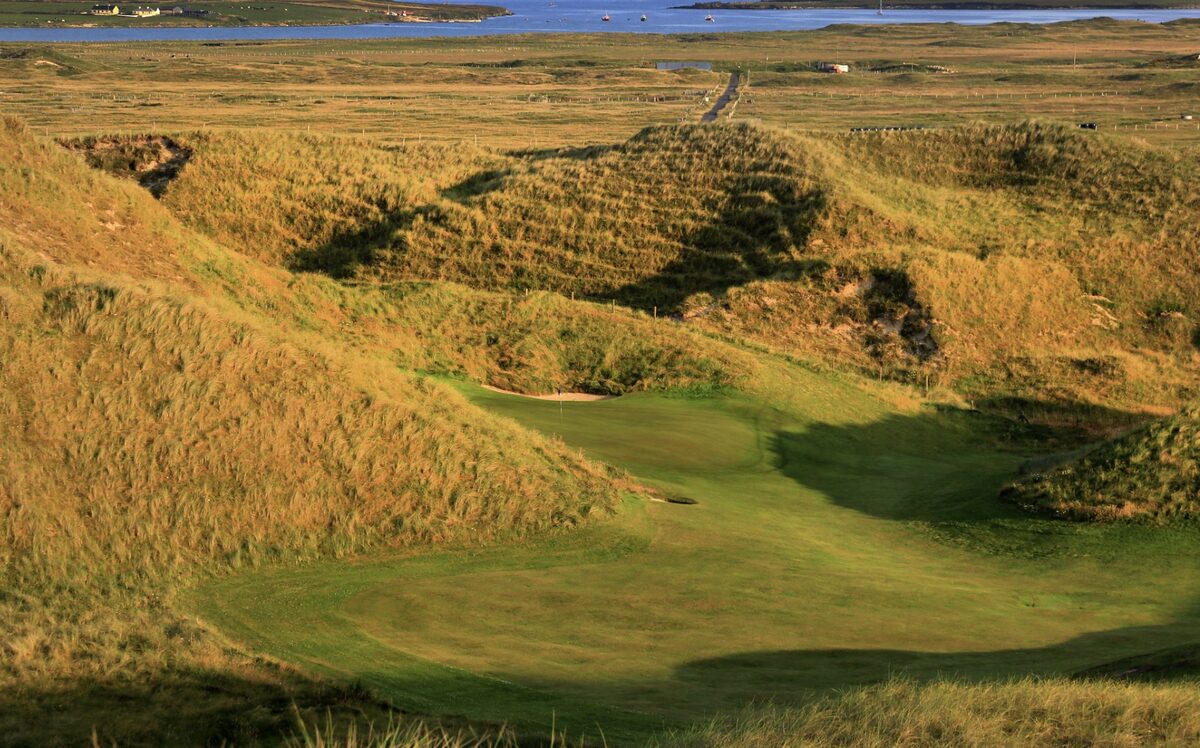
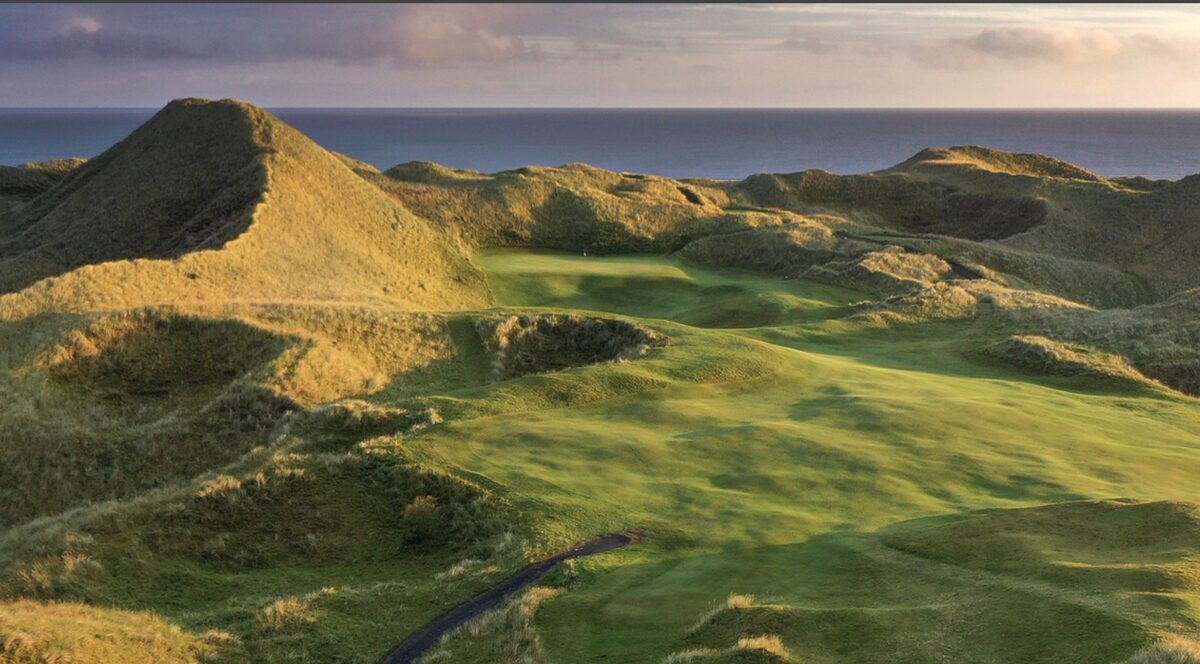
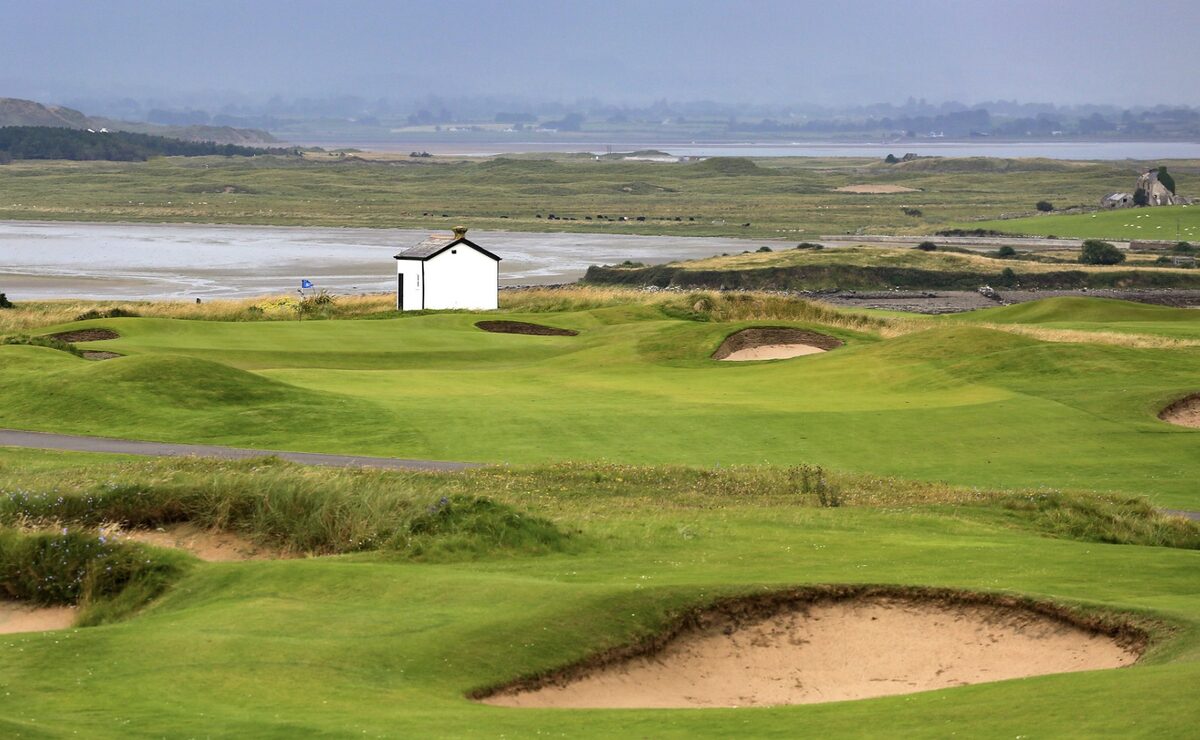
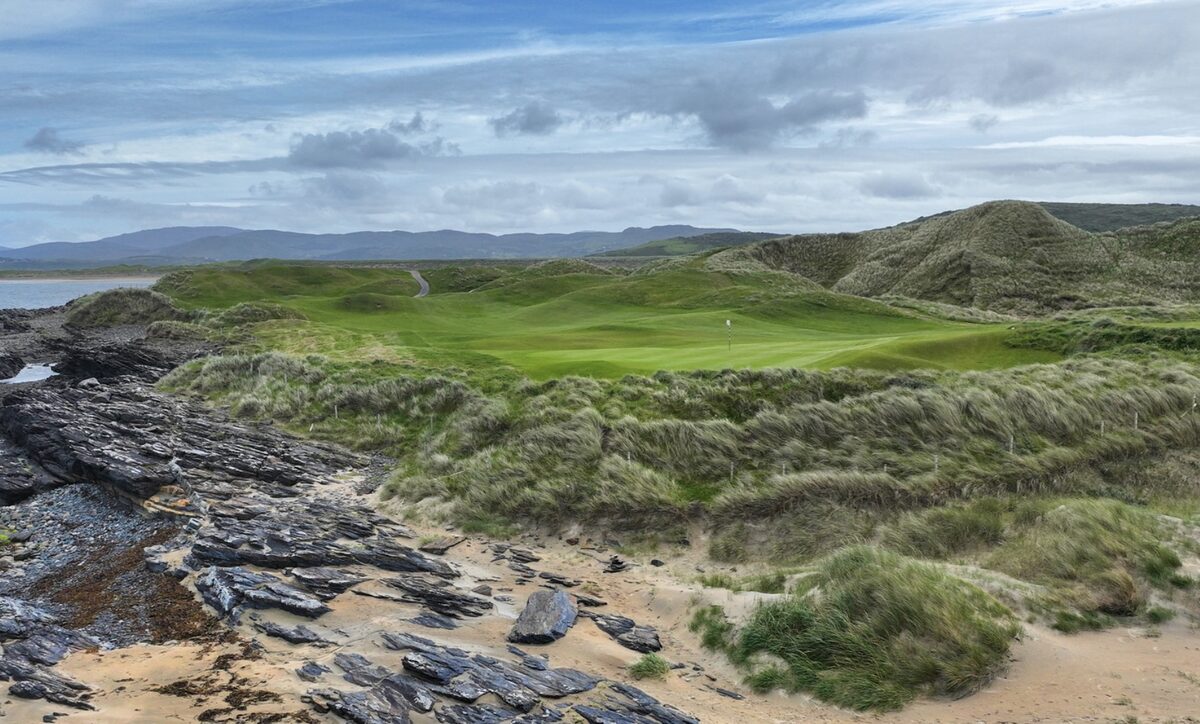
Are these all the courses you should be considering? No! This is just the tip of the iceberg. You're likely to play at least one or two of these courses - so it's useful to know where your main hubs will be. The meat of your trip will include hidden gems and regional tracks not even listed here.
Find your perfect course with our course finder
The ideal play and rest balance
The magic numbers are 2 and 3. Aim to spend 2-3 nights in each location and average no more than 2 rounds every 3 days. Over thousands of trips and insights we've found this is the perfect balance. It gives time to rest, explore and travel between venues without burnout.
This also creates protected time to do the important non-golf activities your group negotiated when planning.
The best golf towns to stay in
In short, you want the perfect blend of access and atmosphere. Overnight locations that let you soak in culture with a short ride to the first tee. Especially if you've soaked in several pints of that culture the night before.
You should pick one base town or city per region, with day visits to play and sightsee stretching out from there. Choose your region below to see our curated list of the best golf bases and courses nearby.
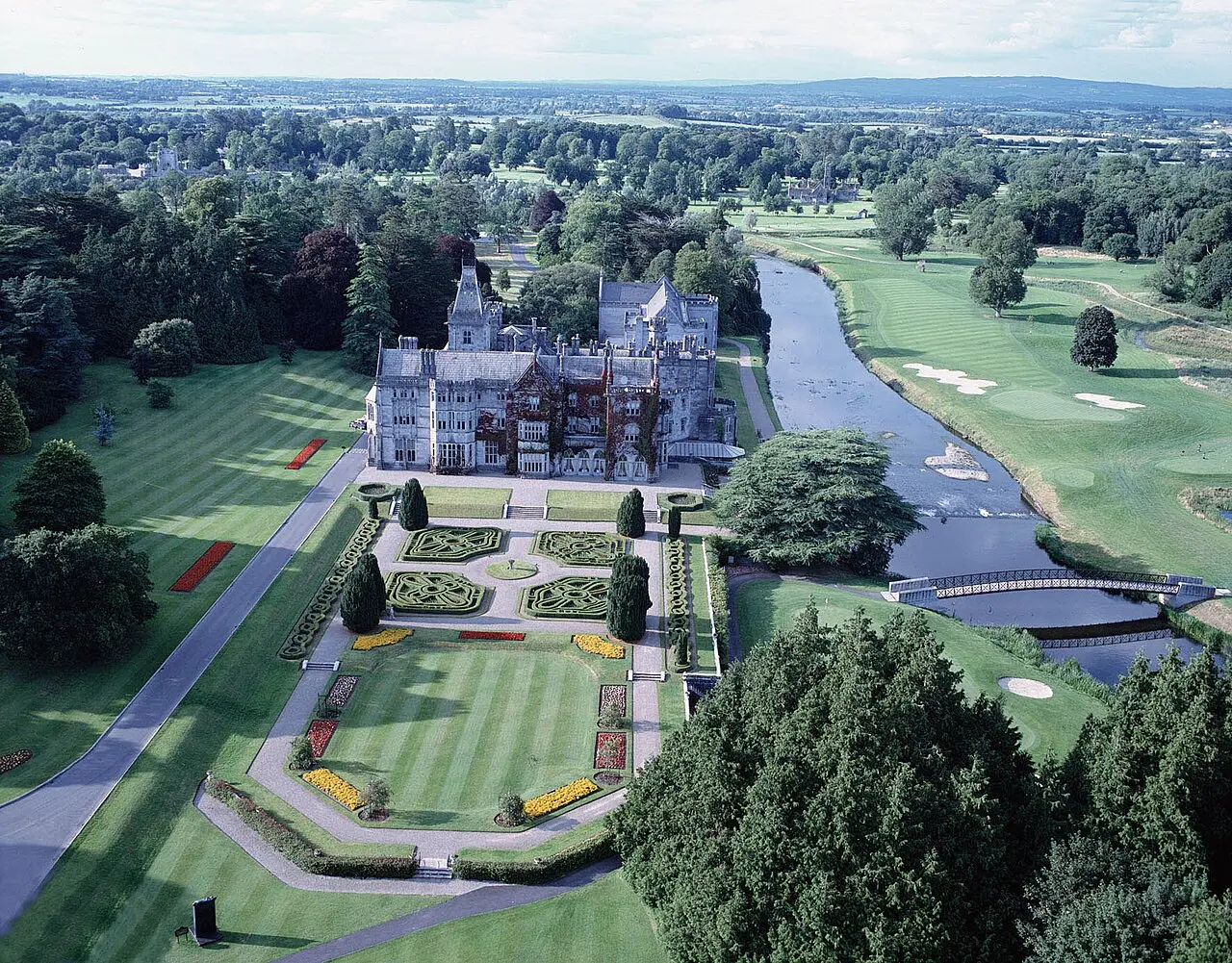
21 courses within 50km
See more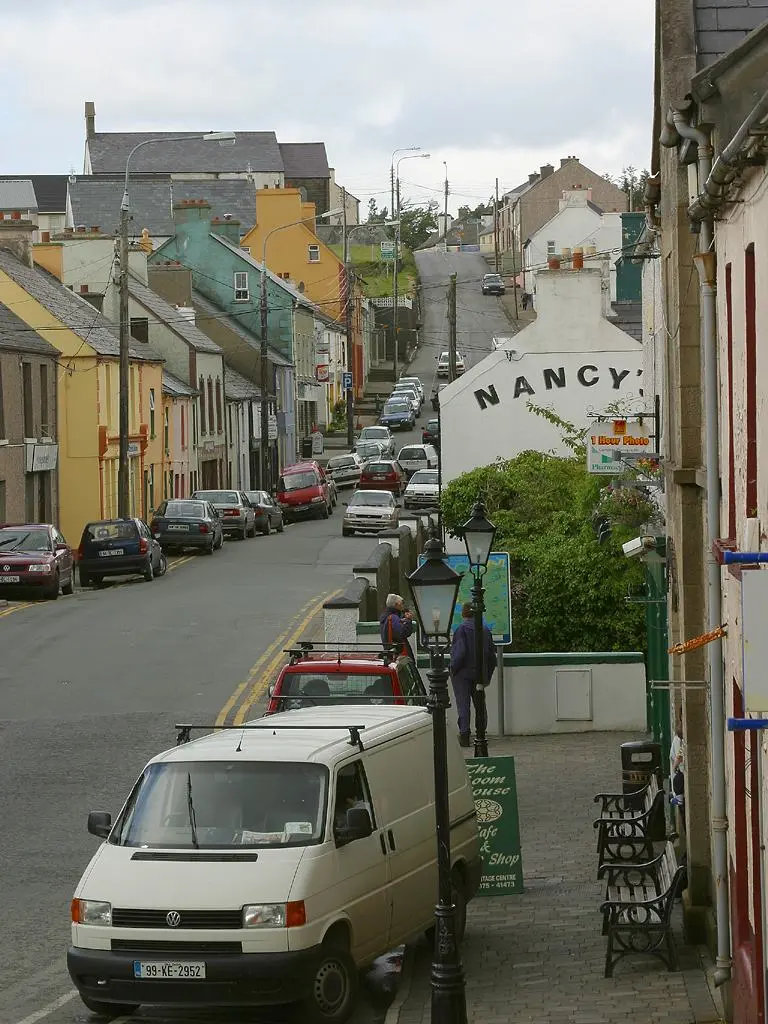
7 courses within 50km
See more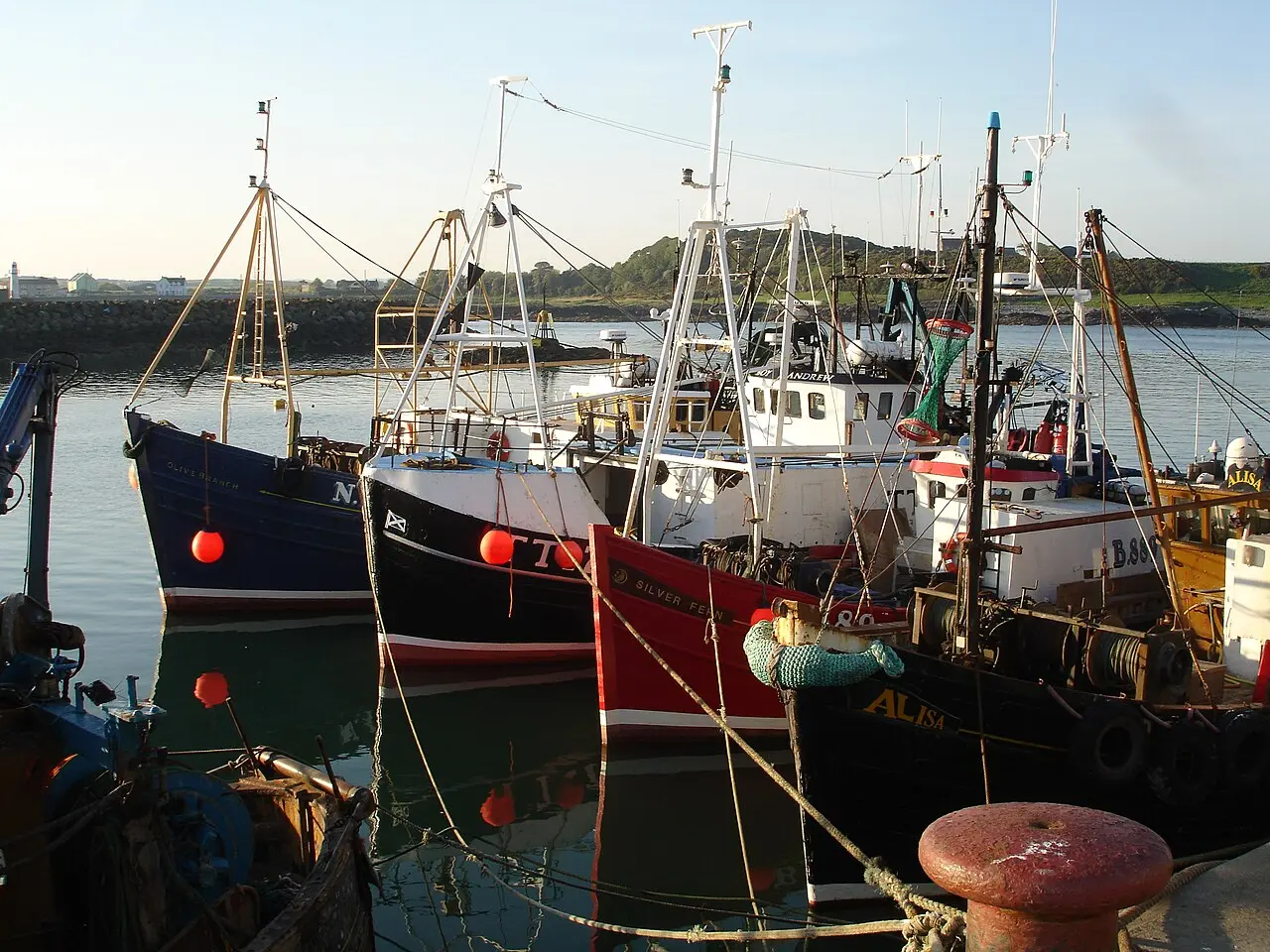
43 courses within 50km
See more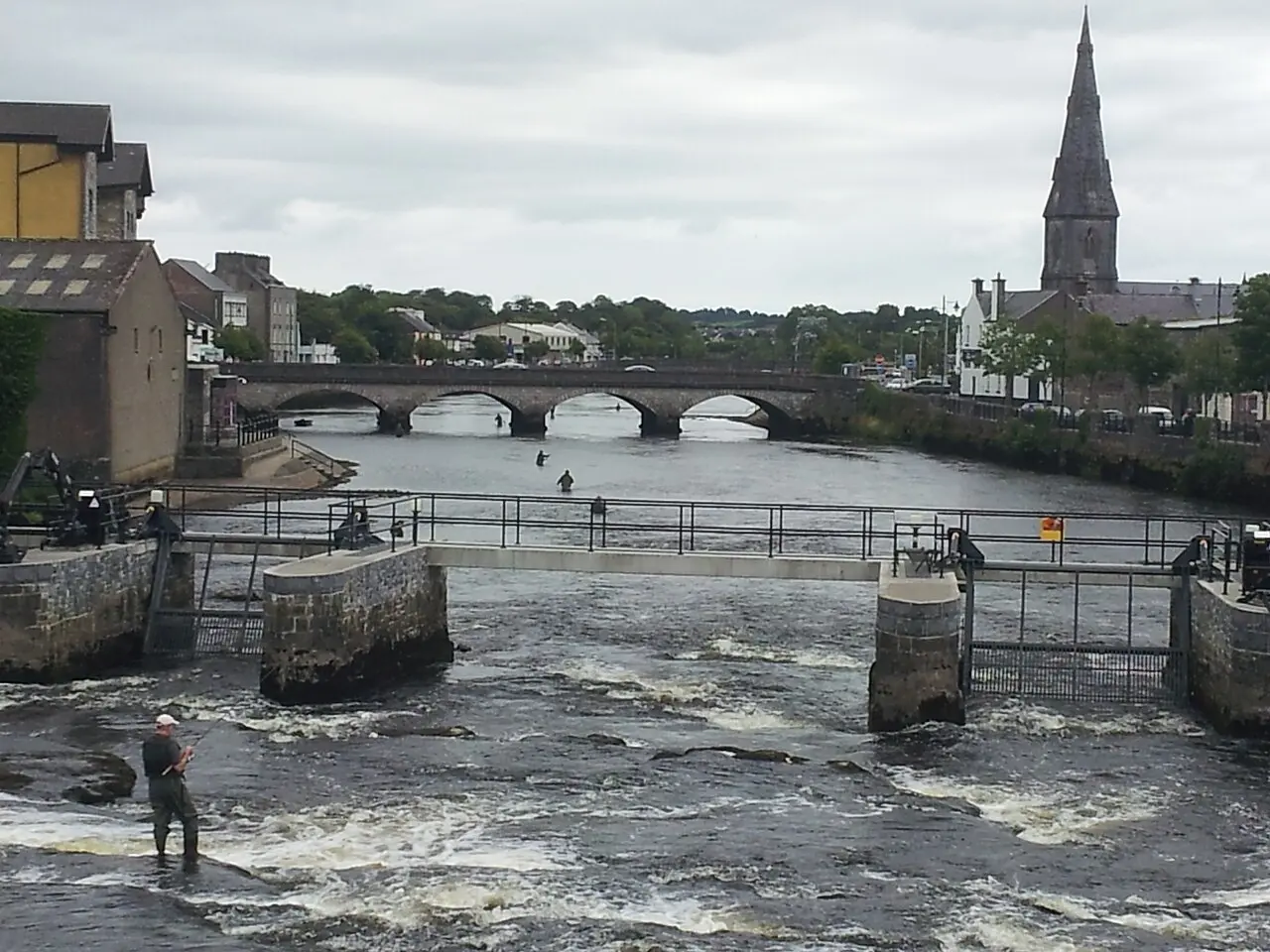
15 courses within 50km
See more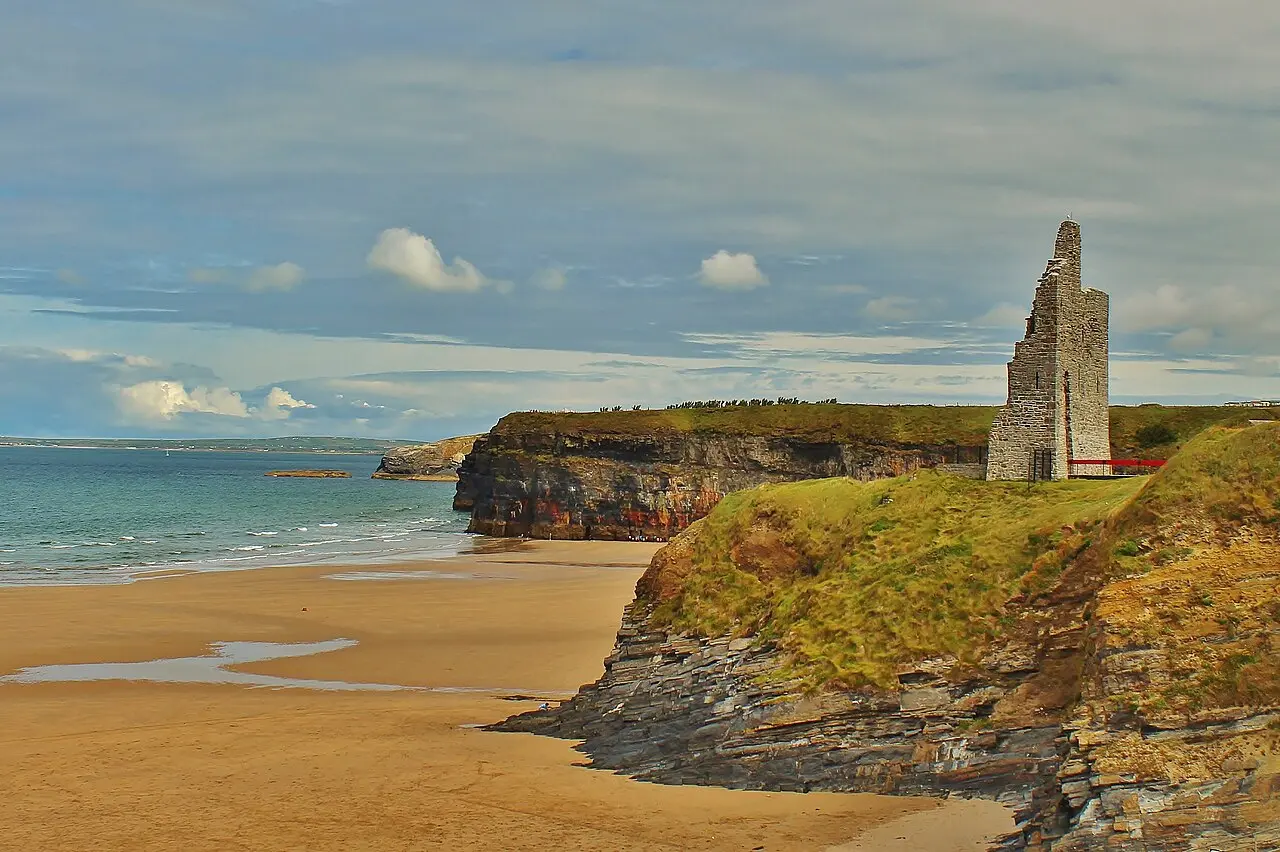
13 courses within 50km
See more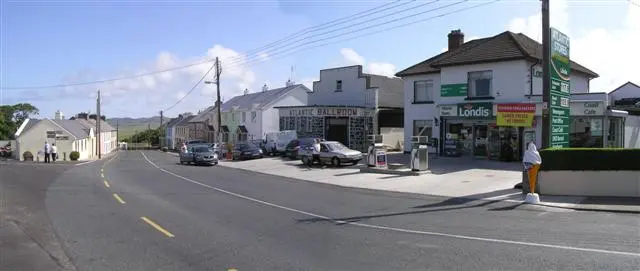
28 courses within 50km
See more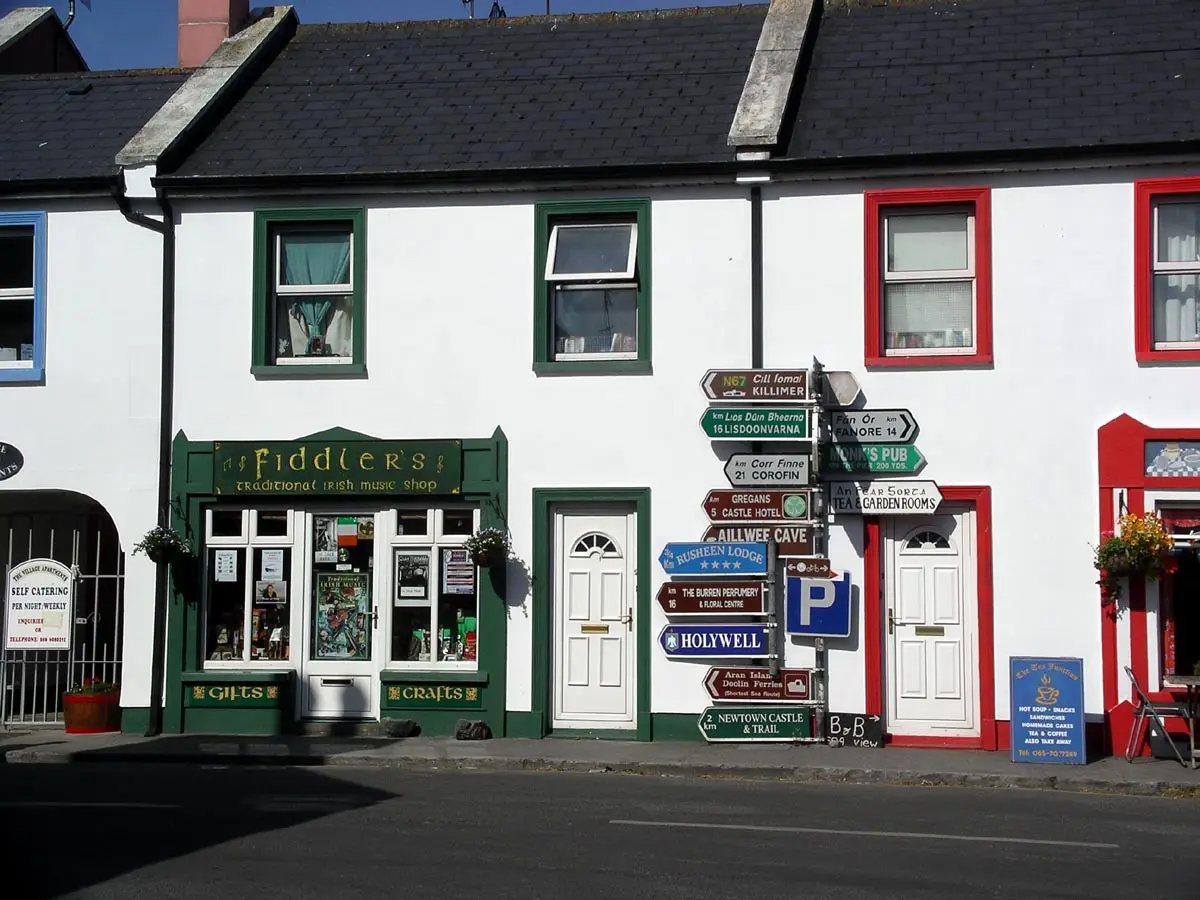
21 courses within 50km
See more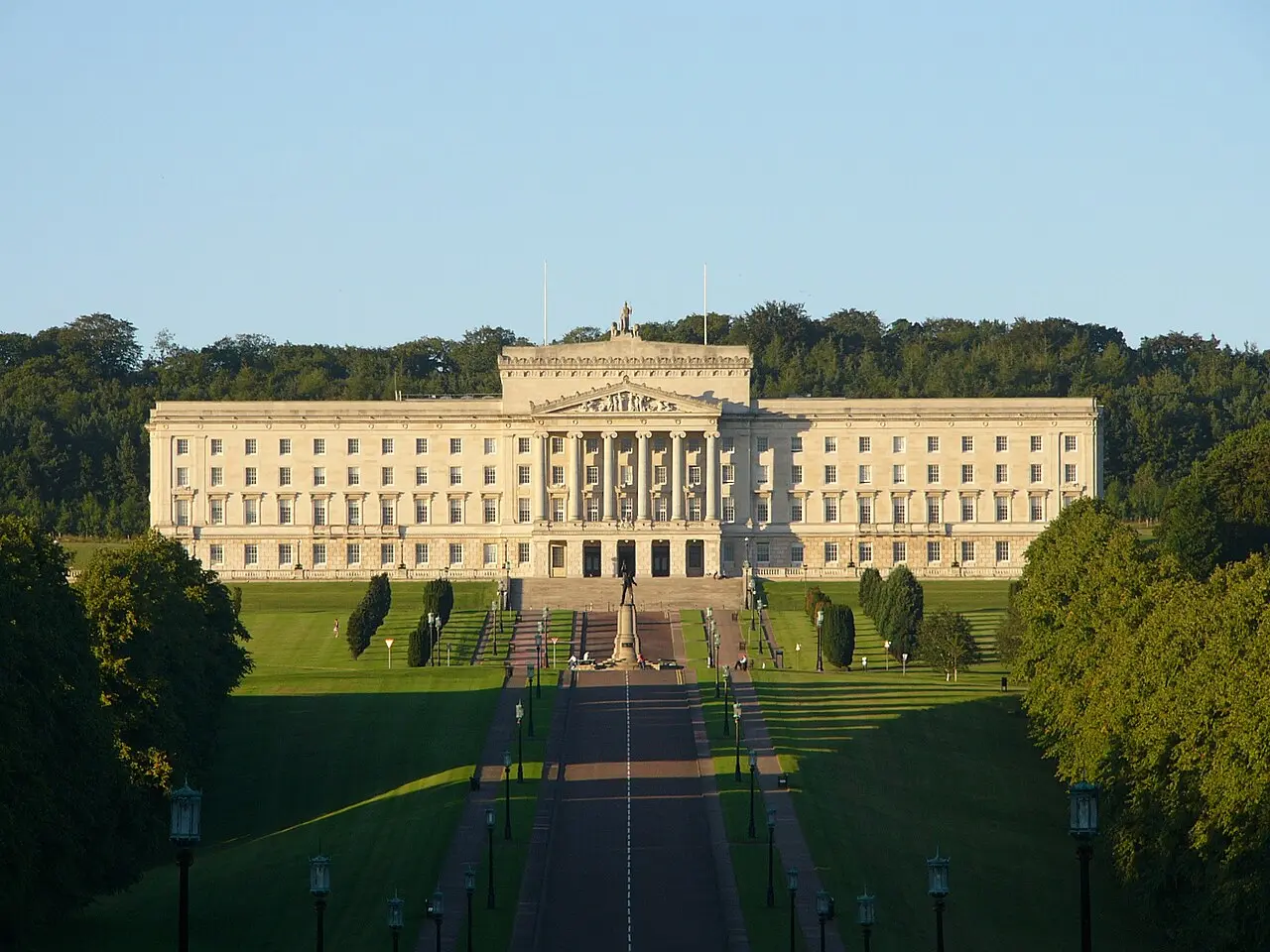
60 courses within 50km
See more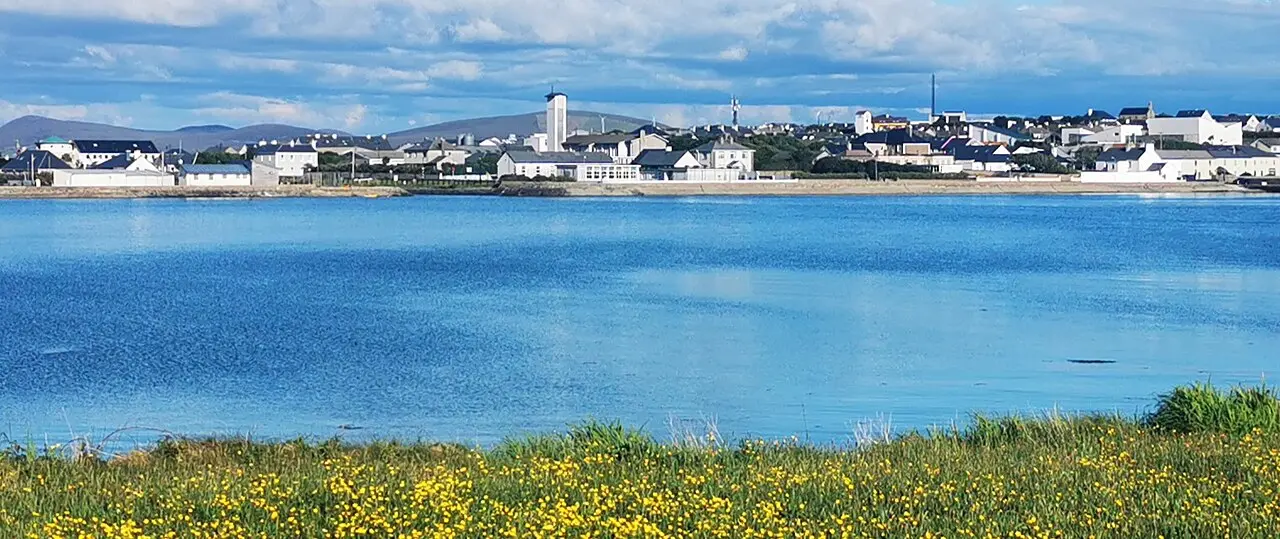
4 courses within 50km
See more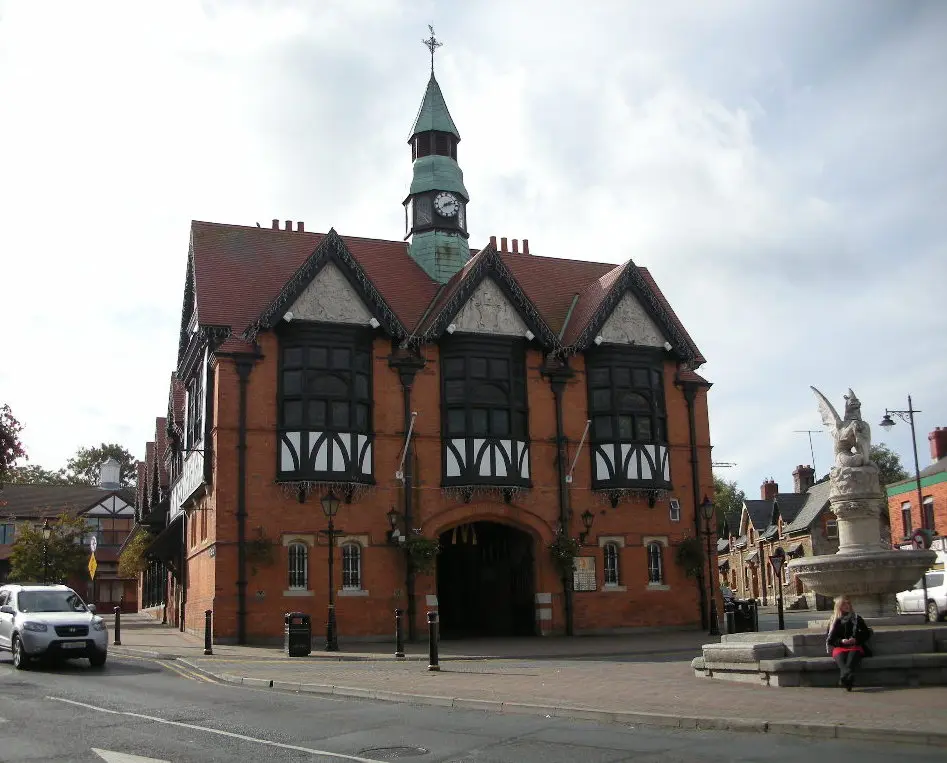
101 courses within 50km
See more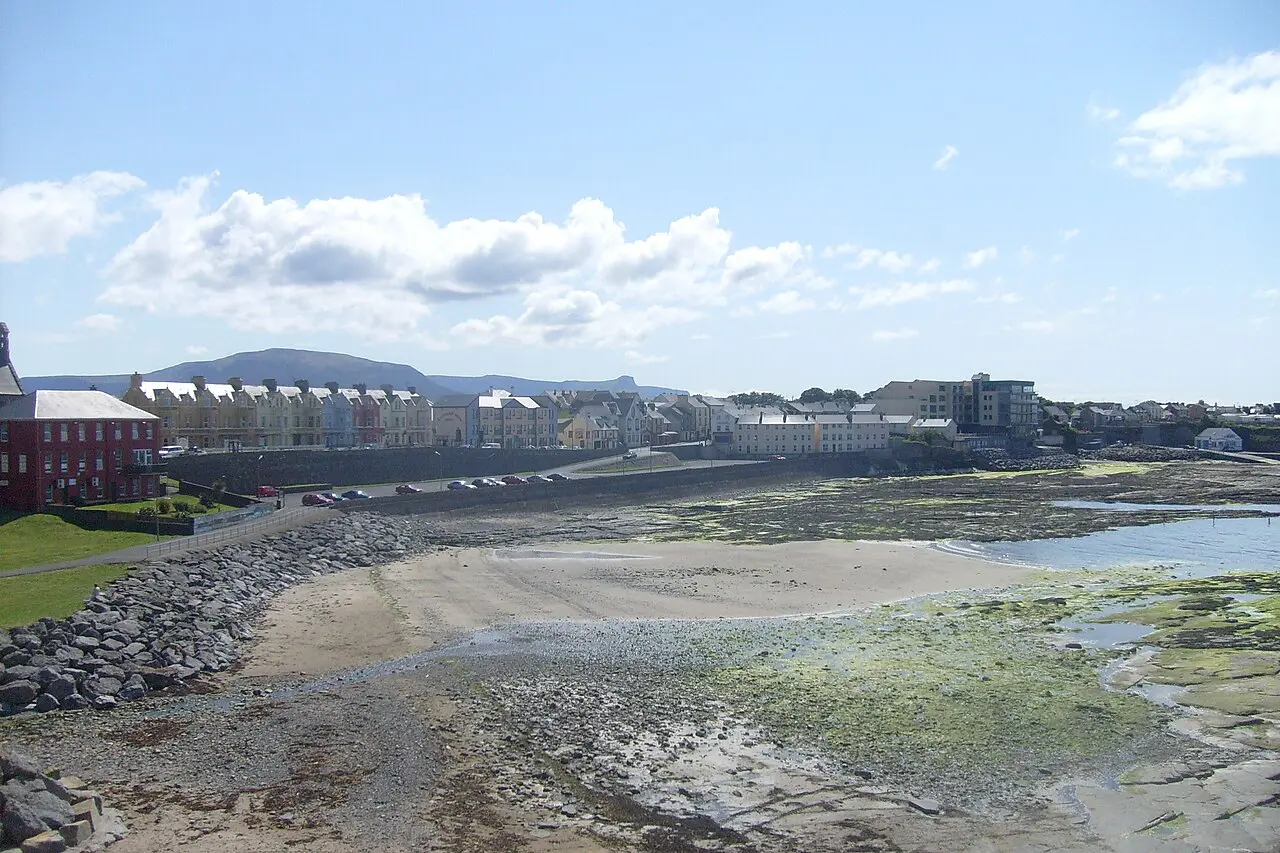
12 courses within 50km
See more
19 courses within 50km
See more
32 courses within 50km
See more
20 courses within 50km
See more
26 courses within 50km
See more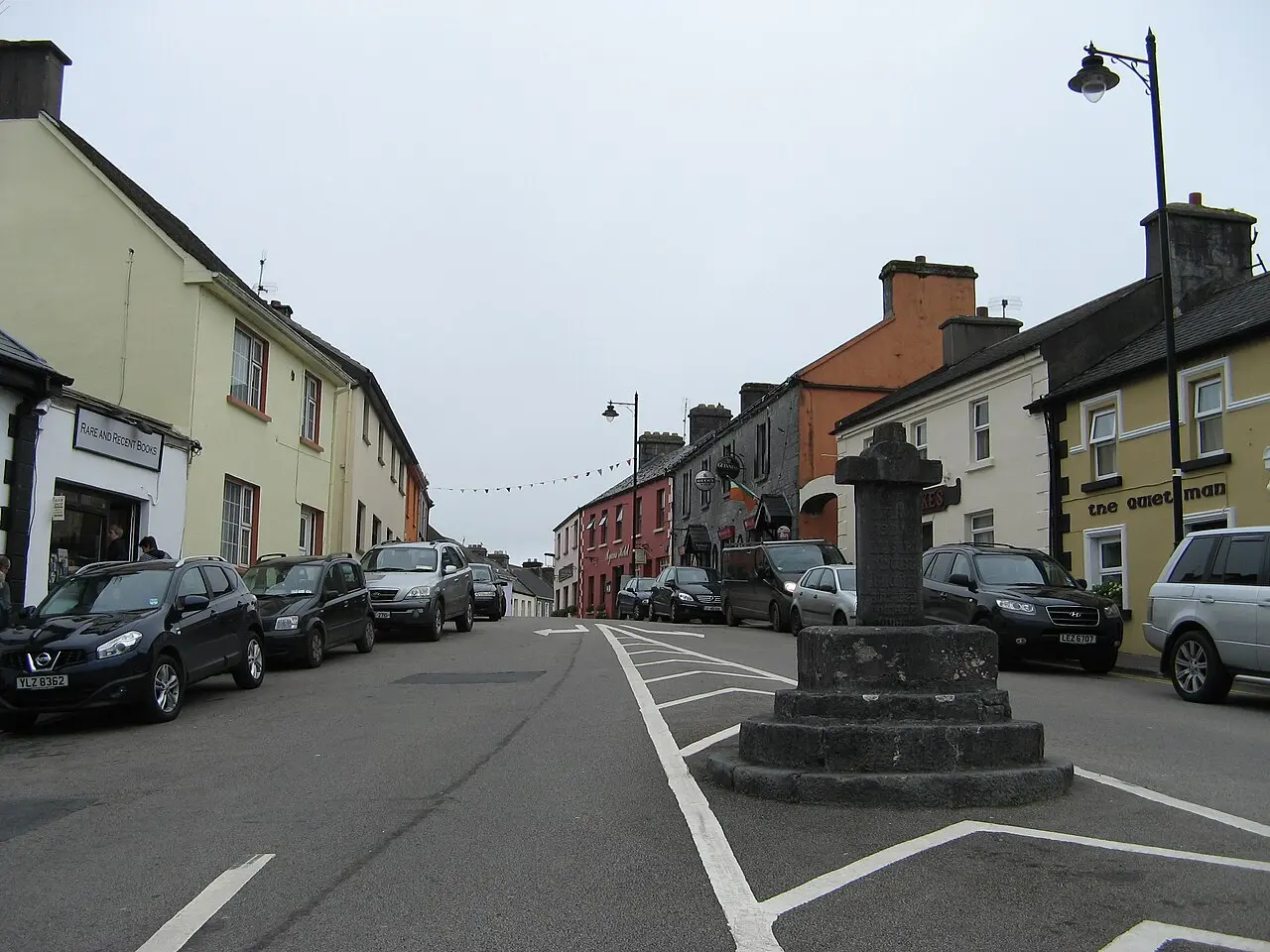
18 courses within 50km
See more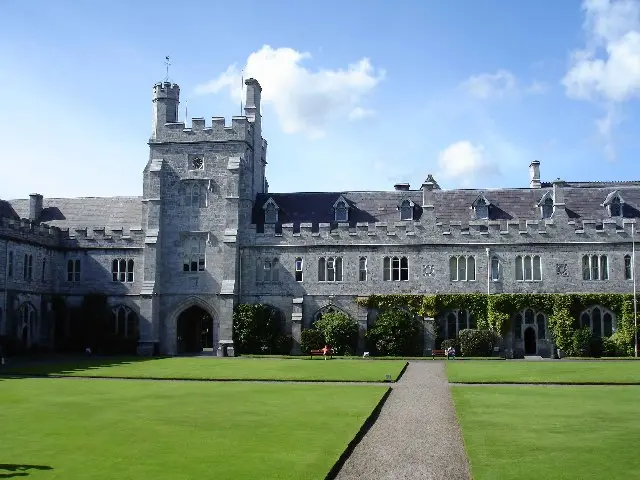
27 courses within 50km
See more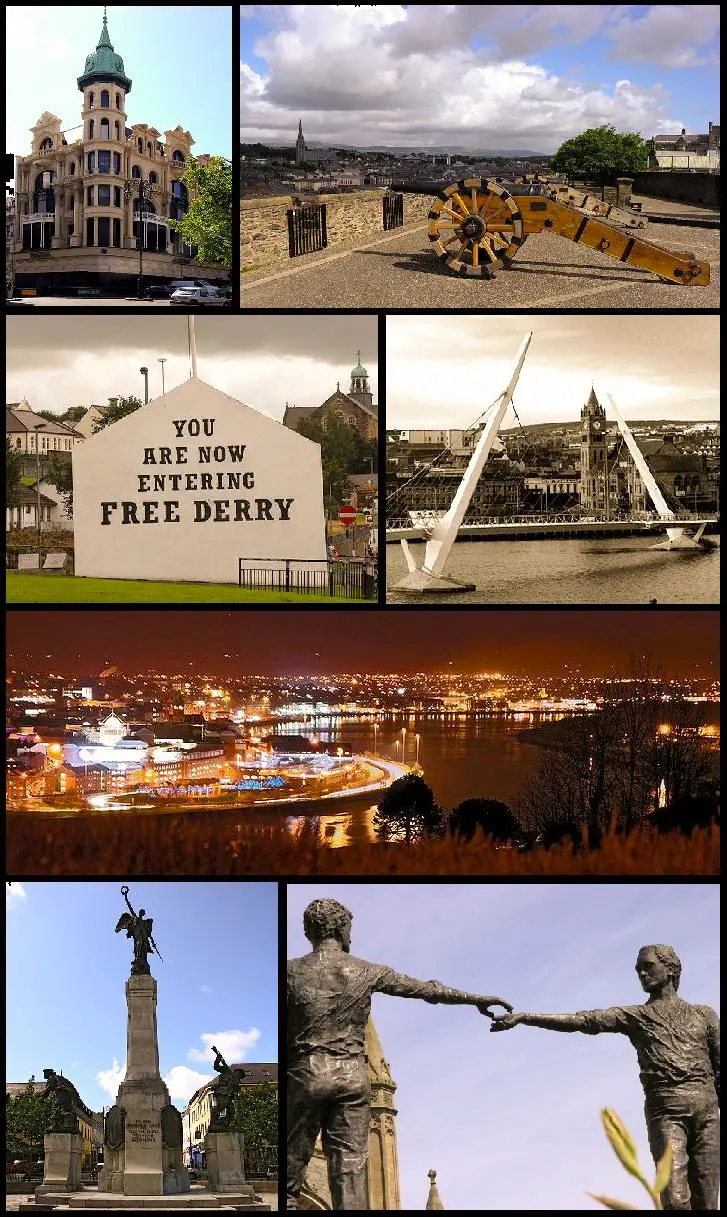
31 courses within 50km
See more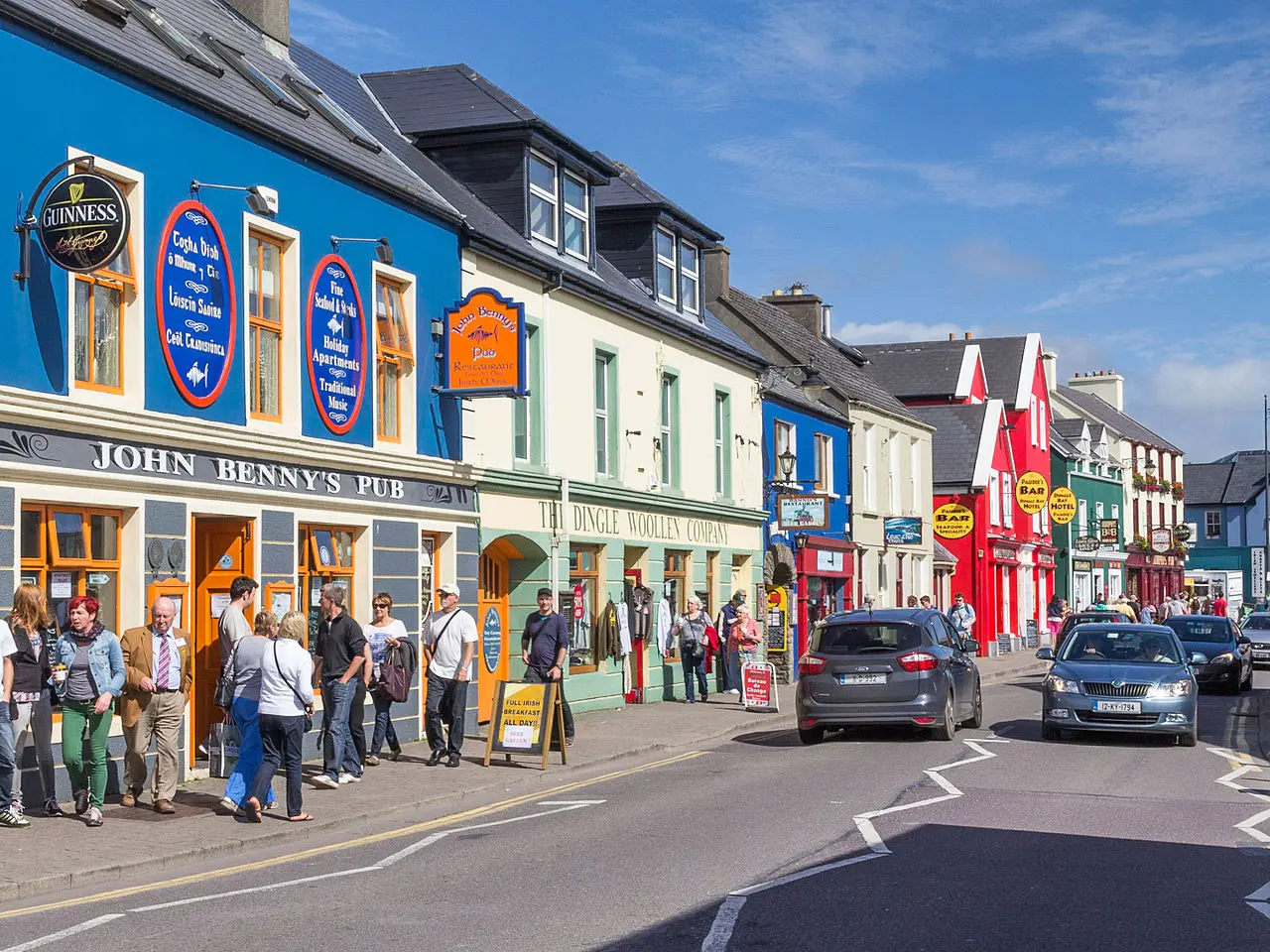
13 courses within 50km
See more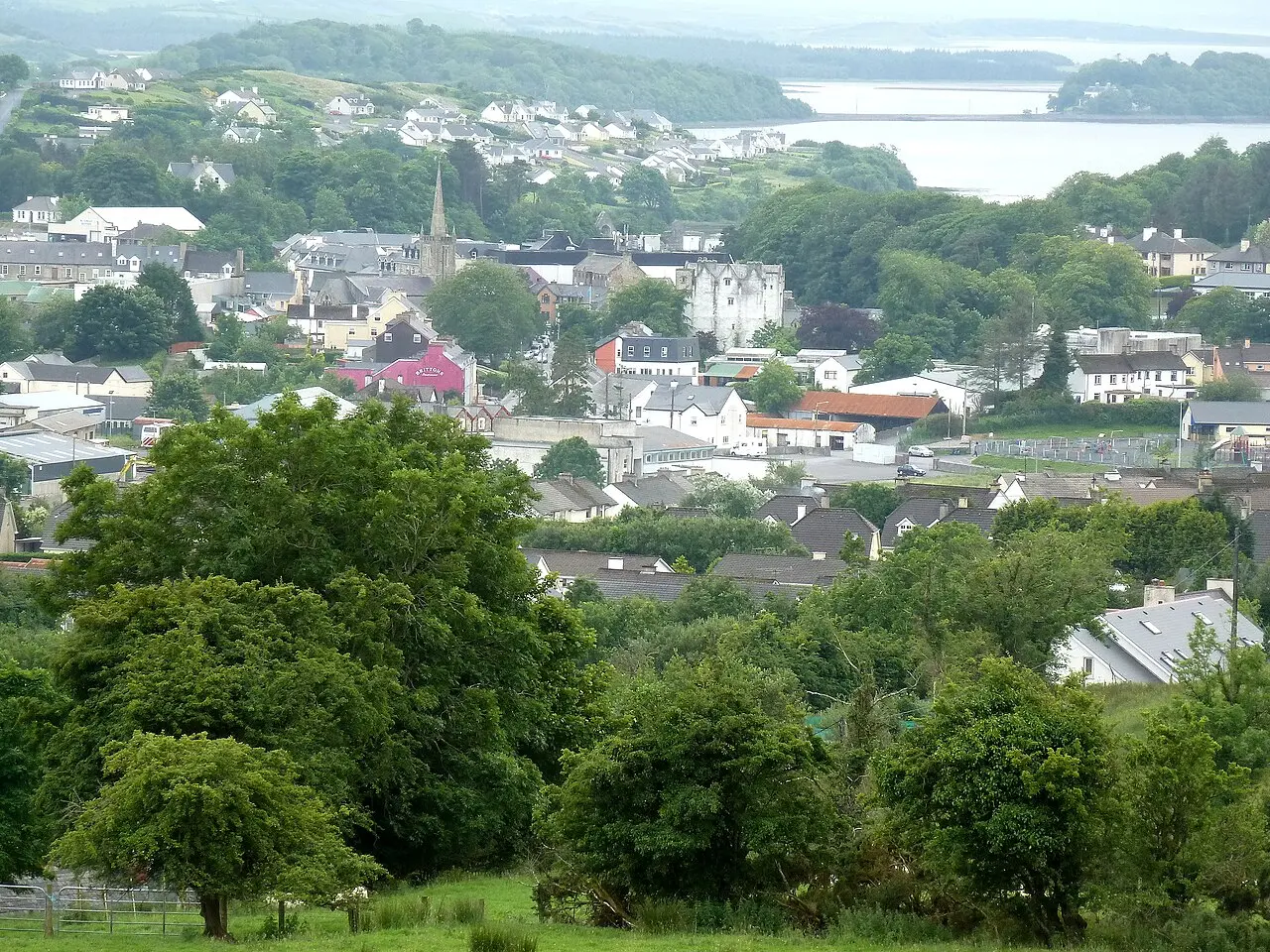
15 courses within 50km
See more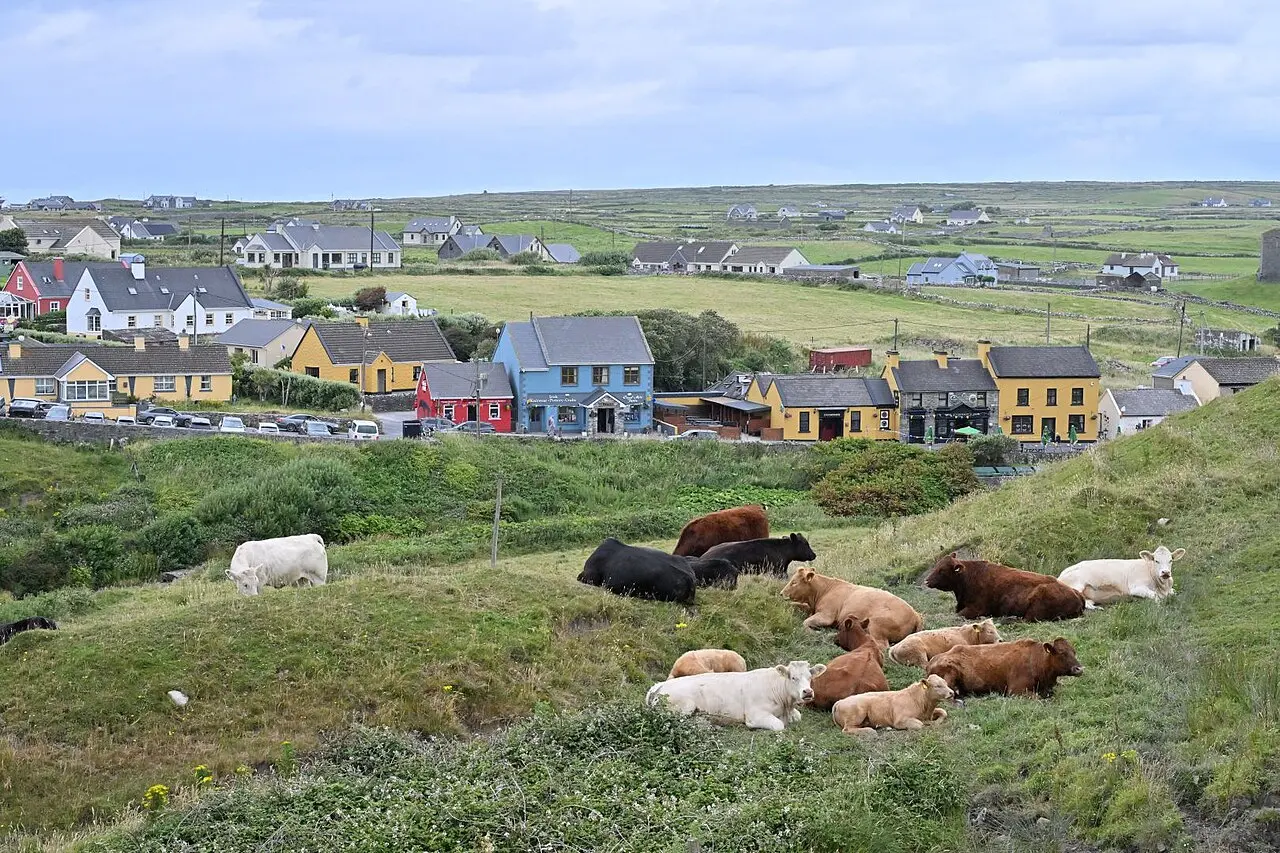
19 courses within 50km
See more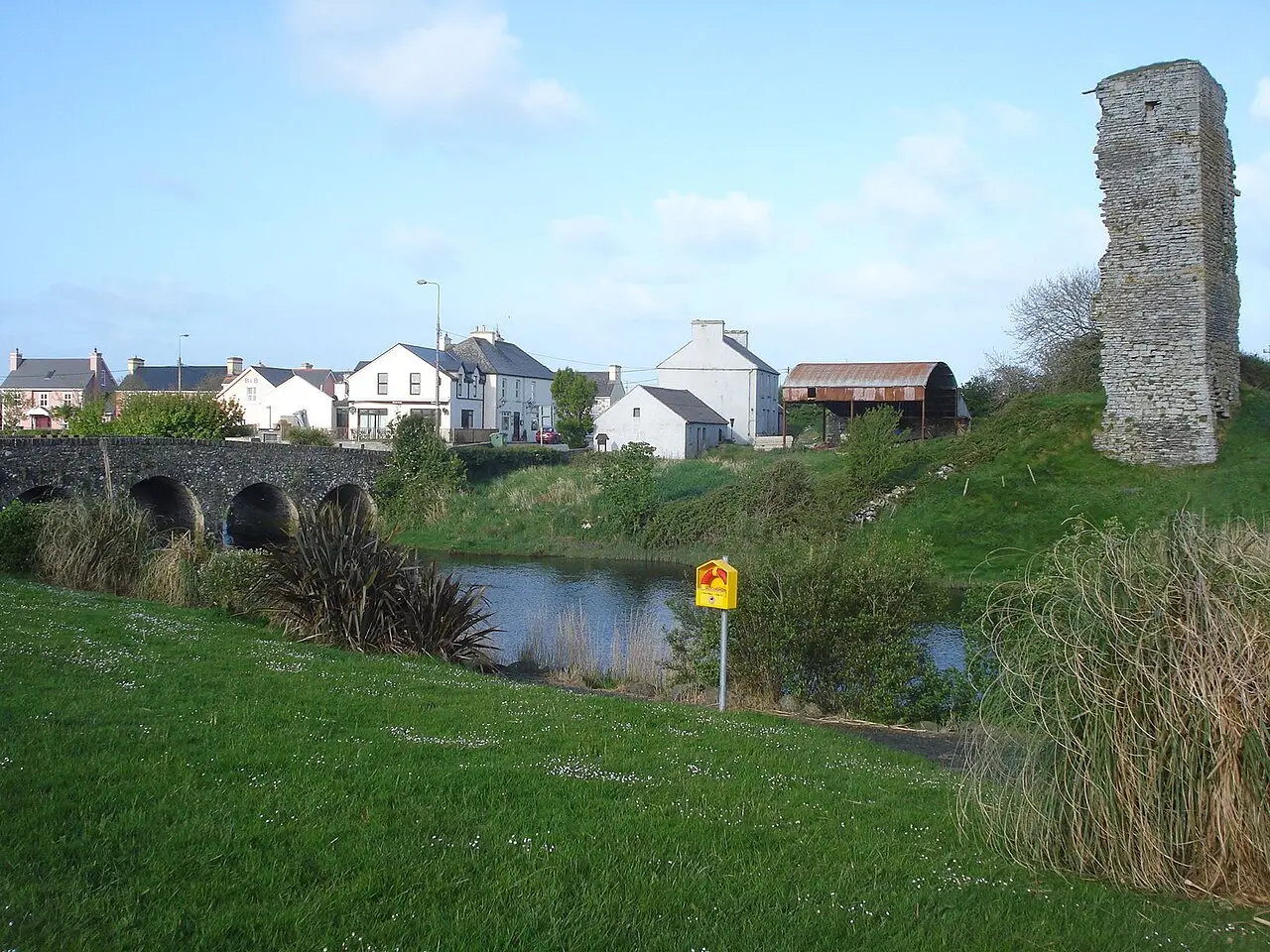
17 courses within 50km
See more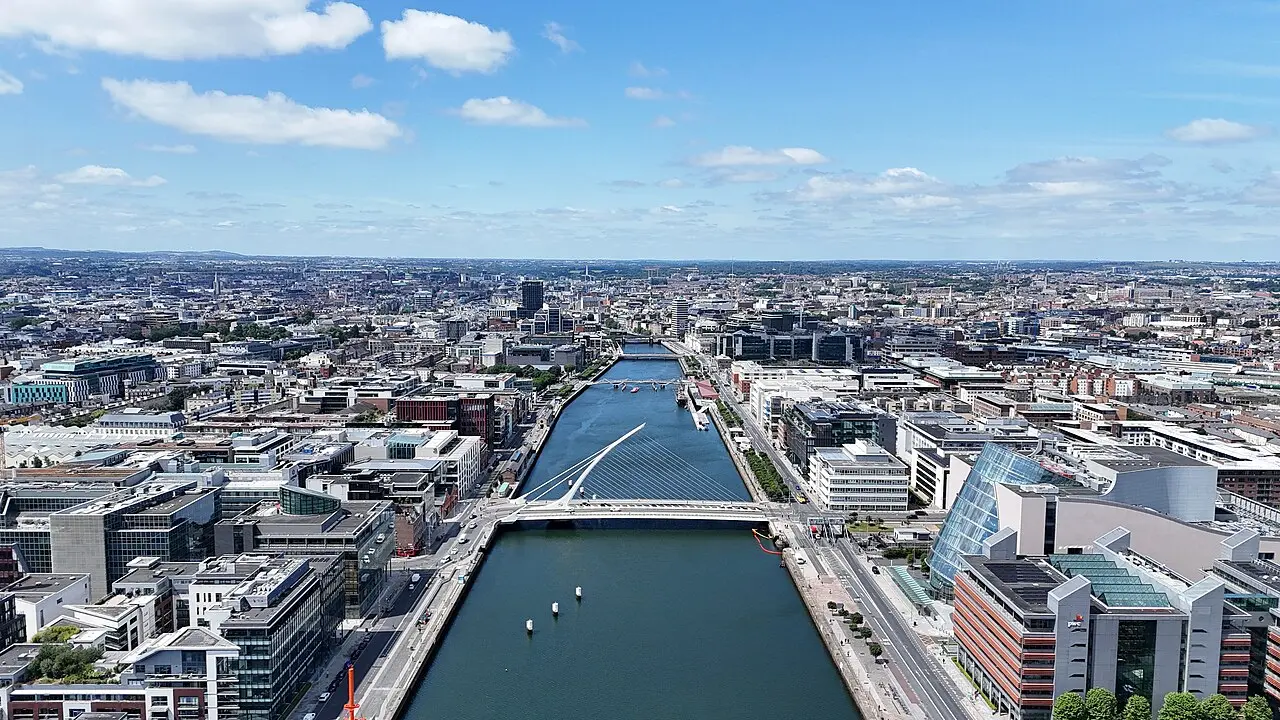
108 courses within 50km
See more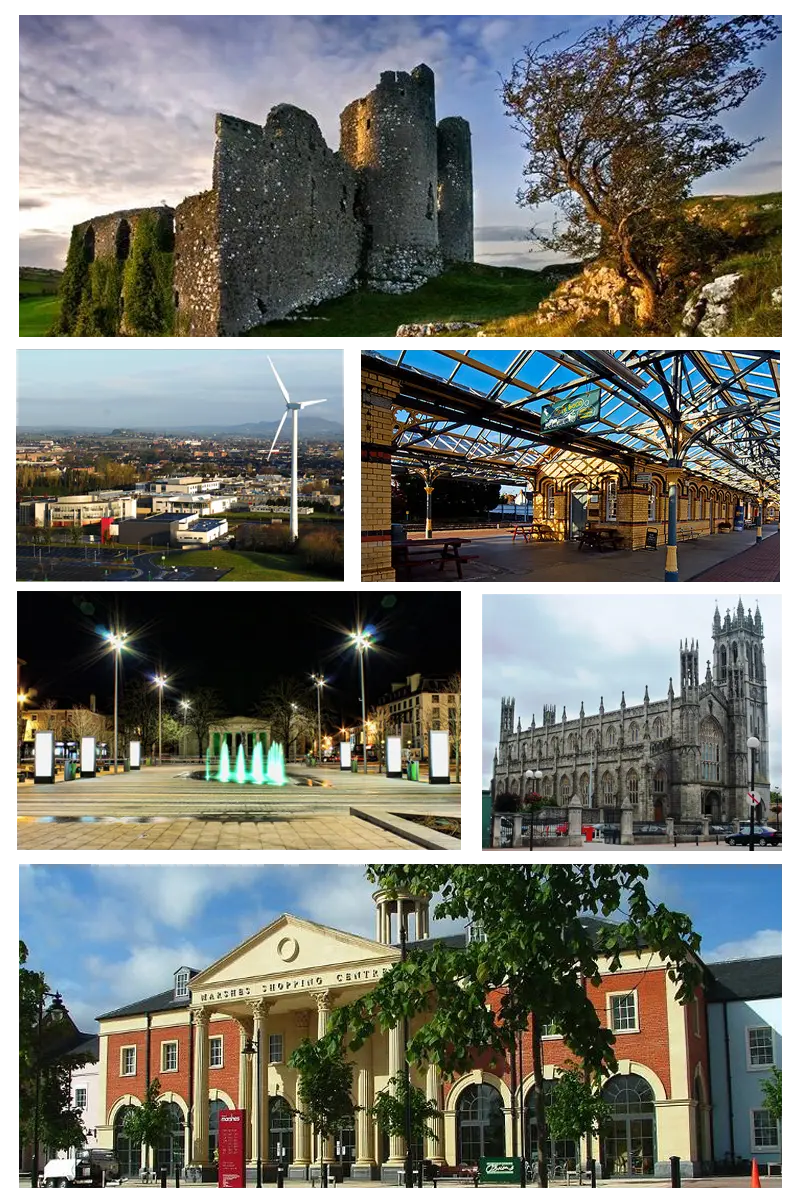
28 courses within 50km
See more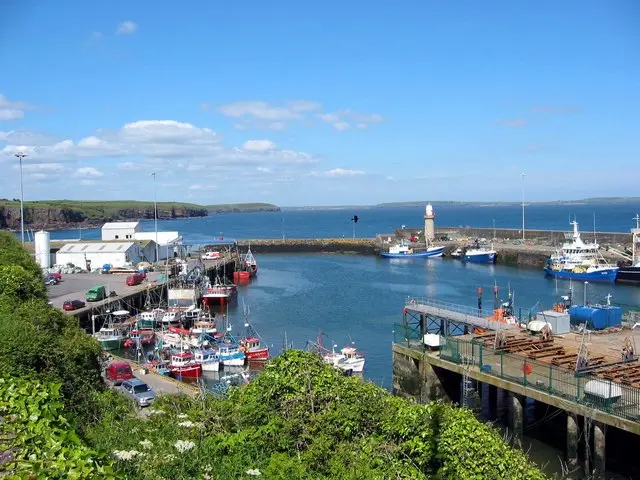
21 courses within 50km
See more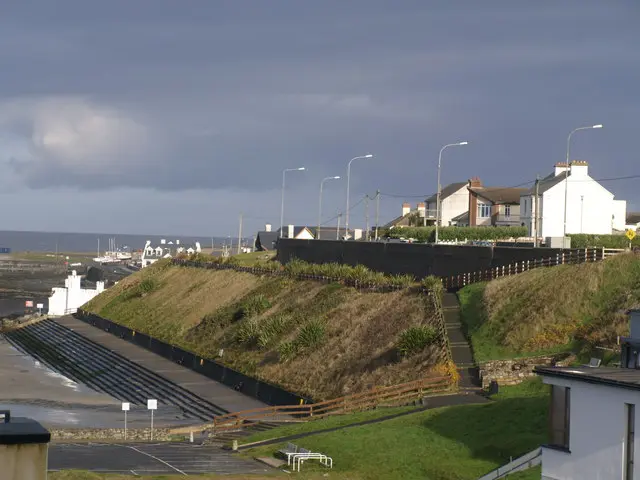
11 courses within 50km
See more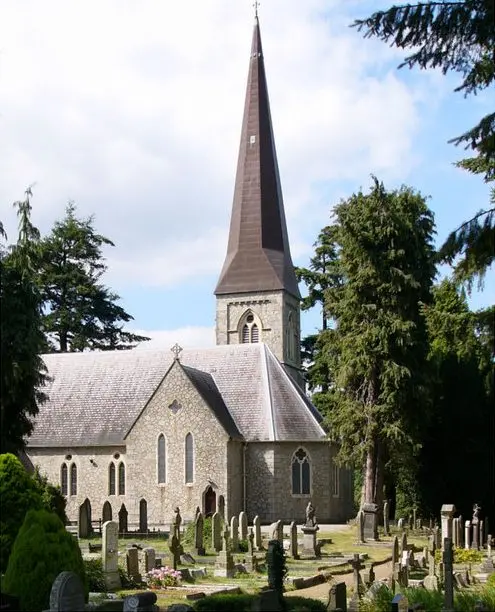
101 courses within 50km
See more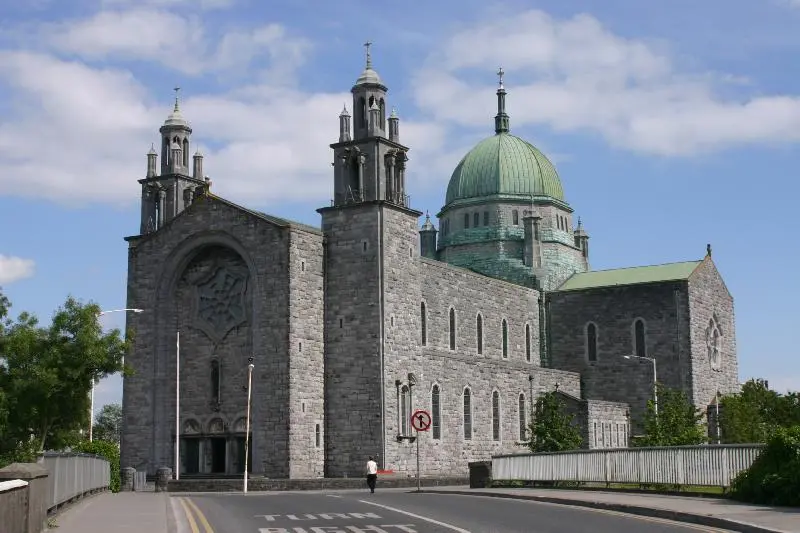
20 courses within 50km
See more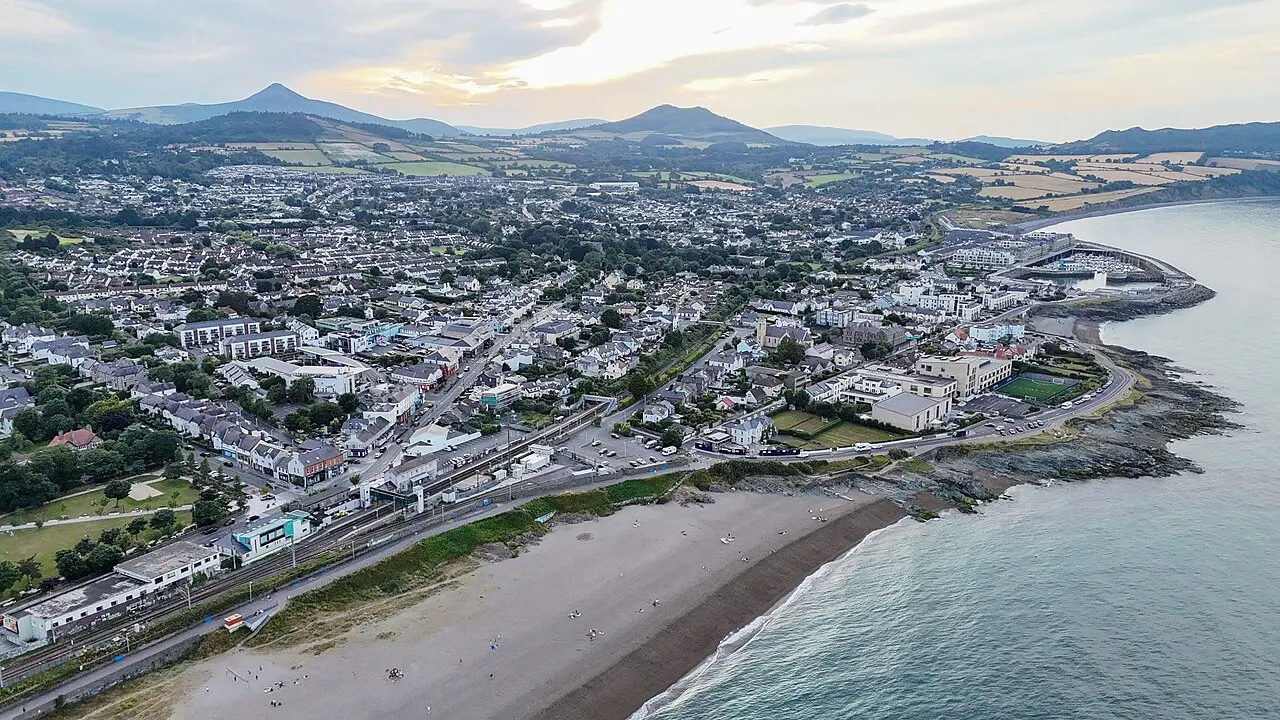
94 courses within 50km
See more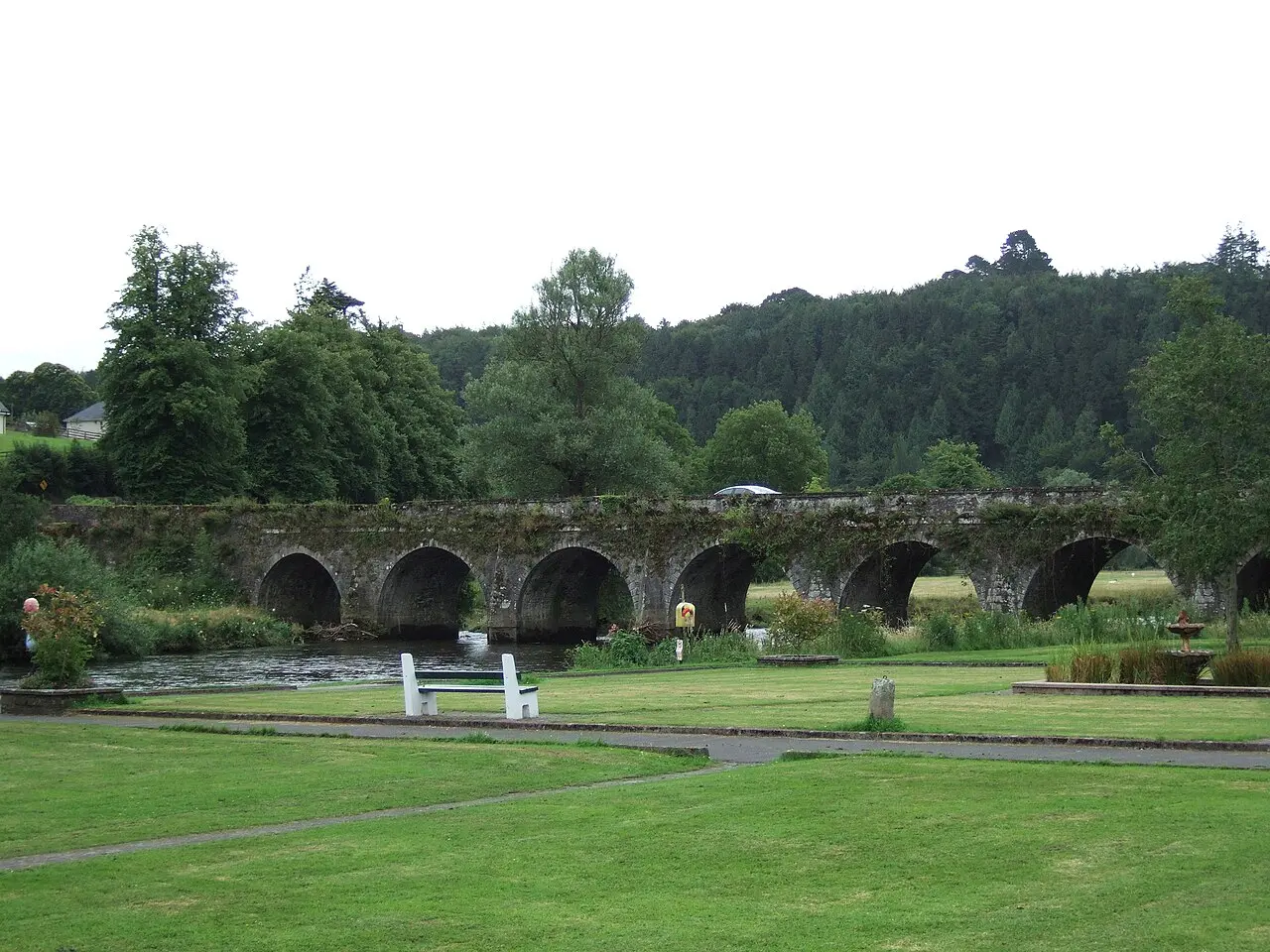
25 courses within 50km
See more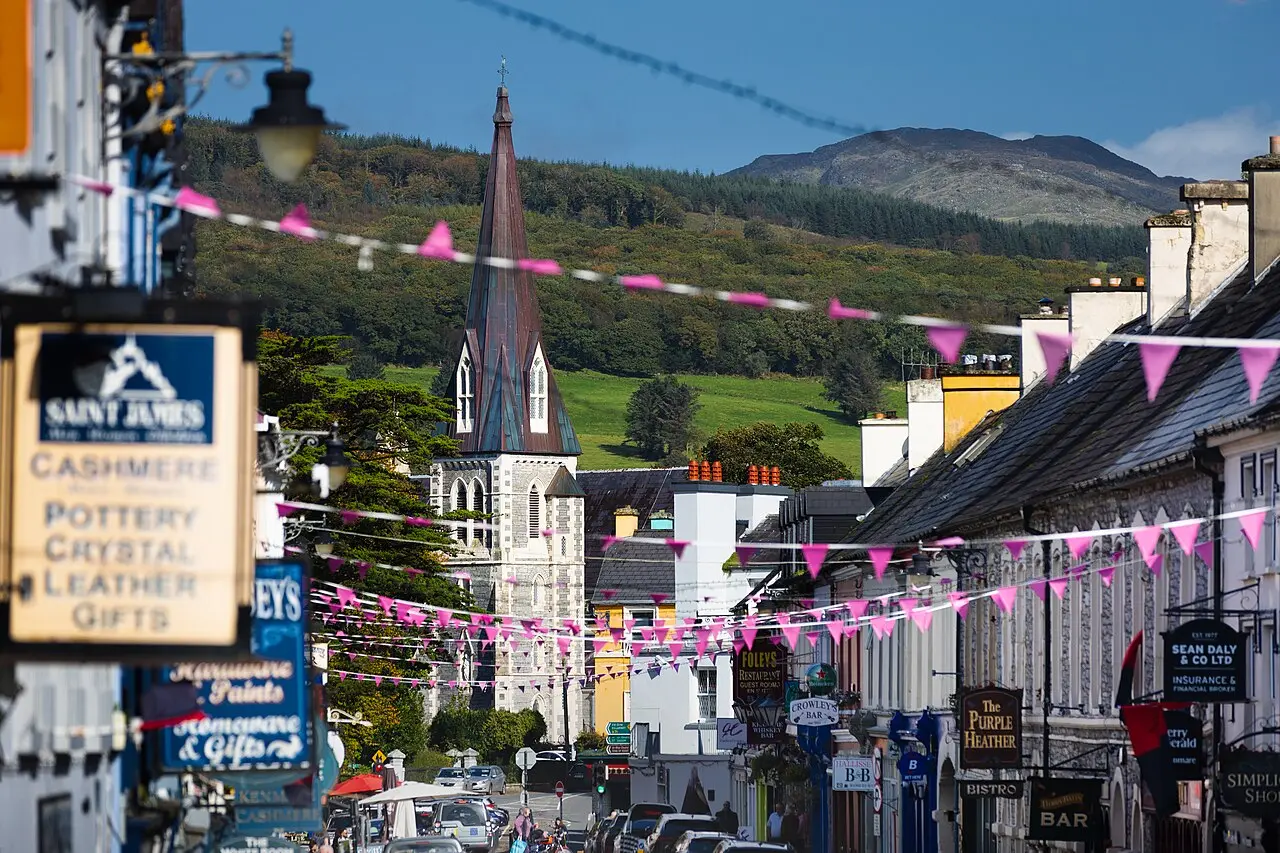
17 courses within 50km
See more
78 courses within 50km
See more
29 courses within 50km
See more
19 courses within 50km
See more
22 courses within 50km
See more
15 courses within 50km
See more
27 courses within 50km
See more
20 courses within 50km
See more
112 courses within 50km
See more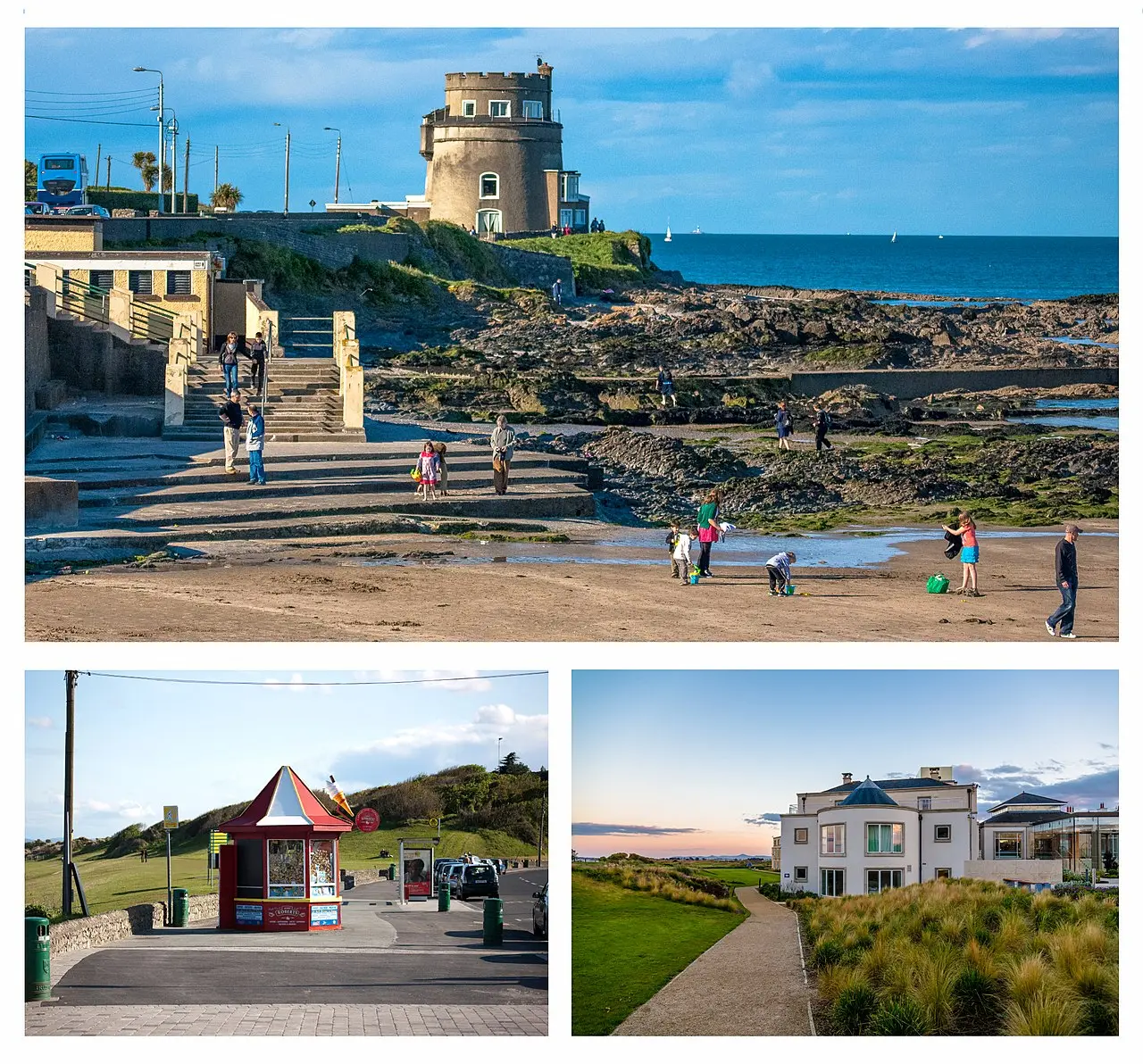
103 courses within 50km
See more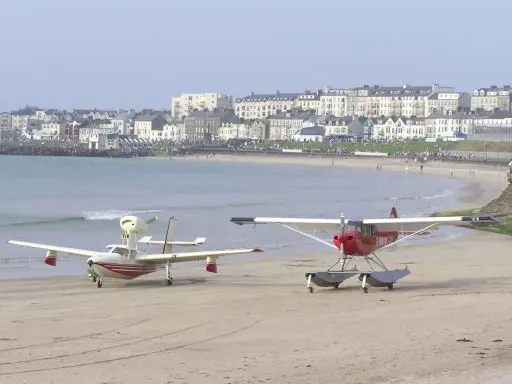
25 courses within 50km
See more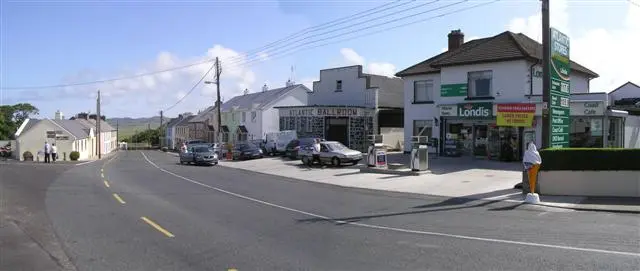
23 courses within 50km
See more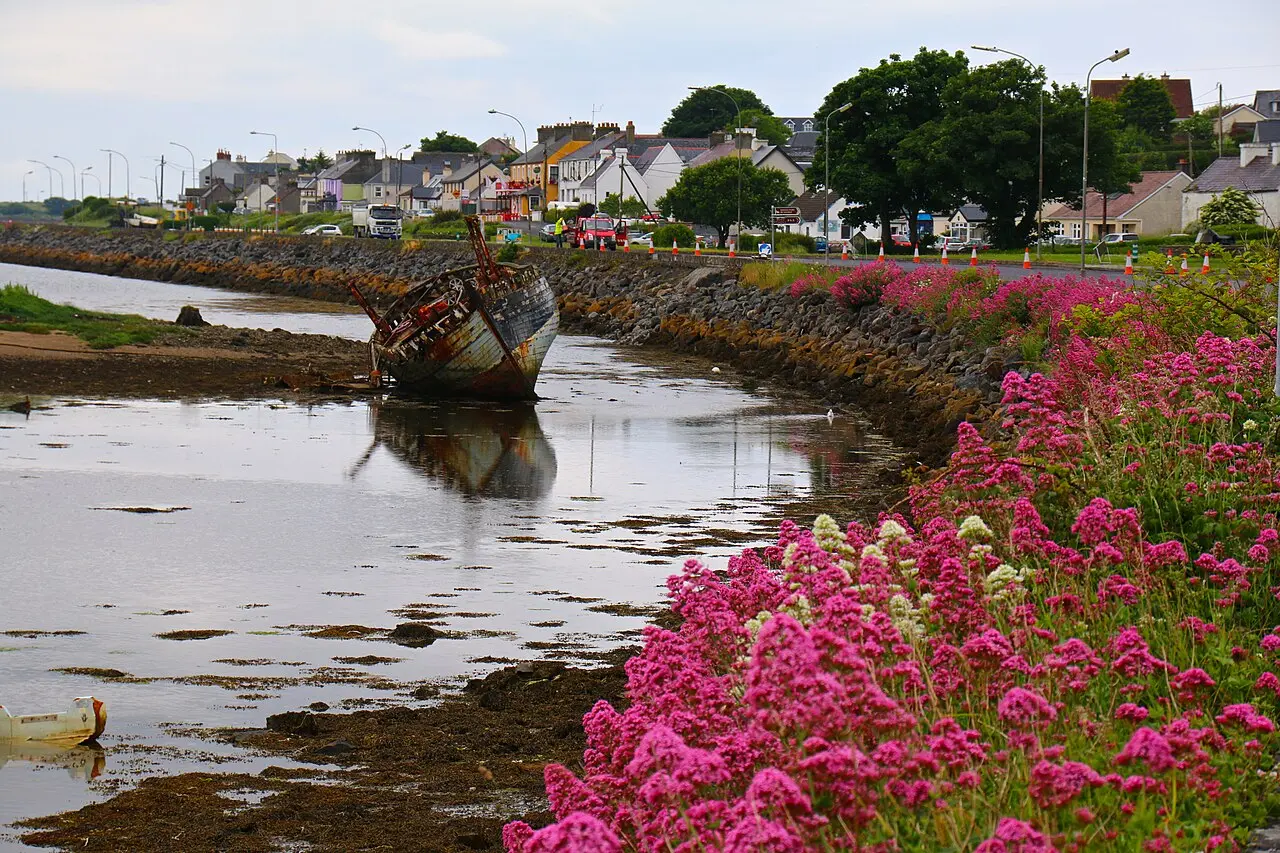
14 courses within 50km
See more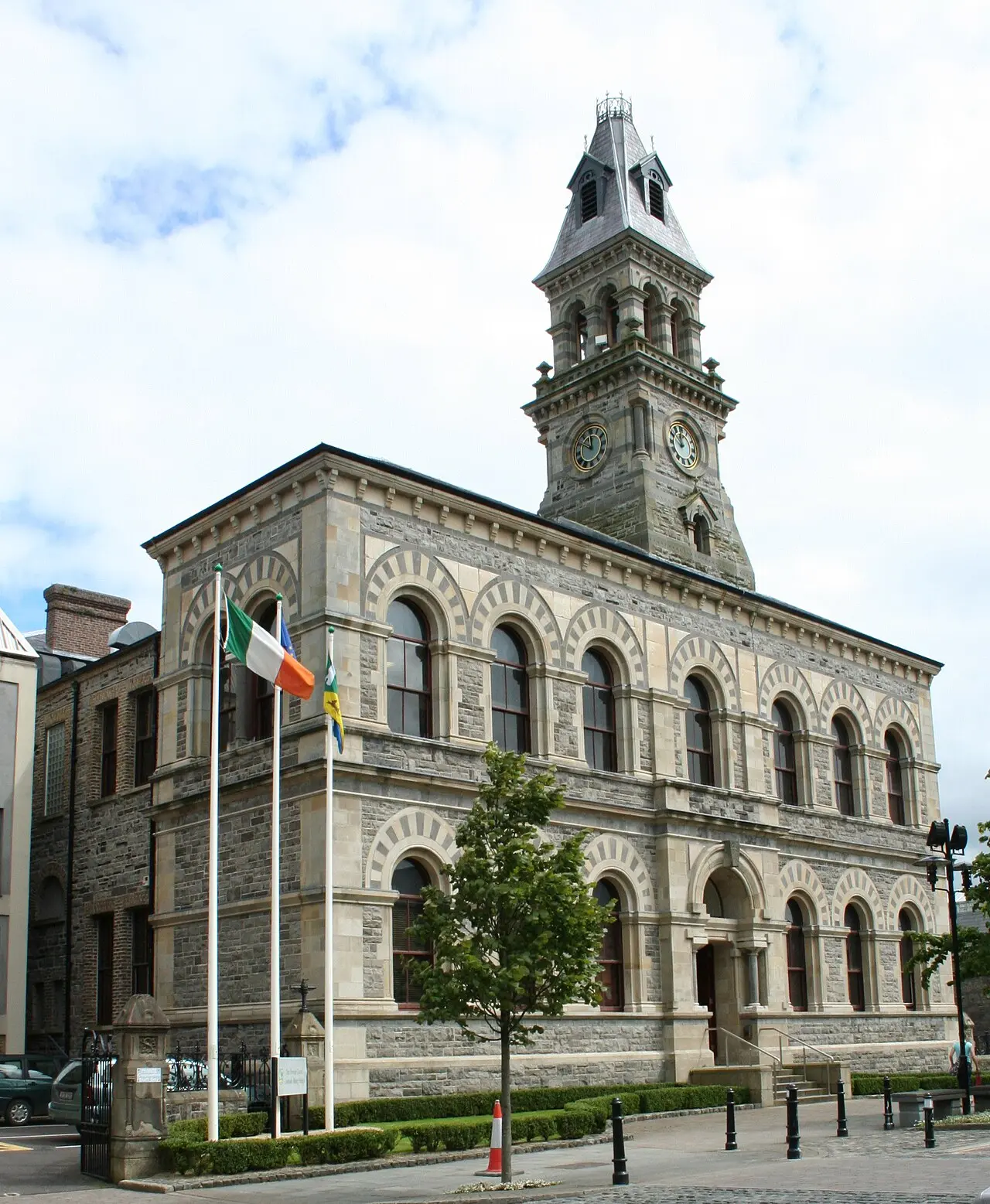
16 courses within 50km
See more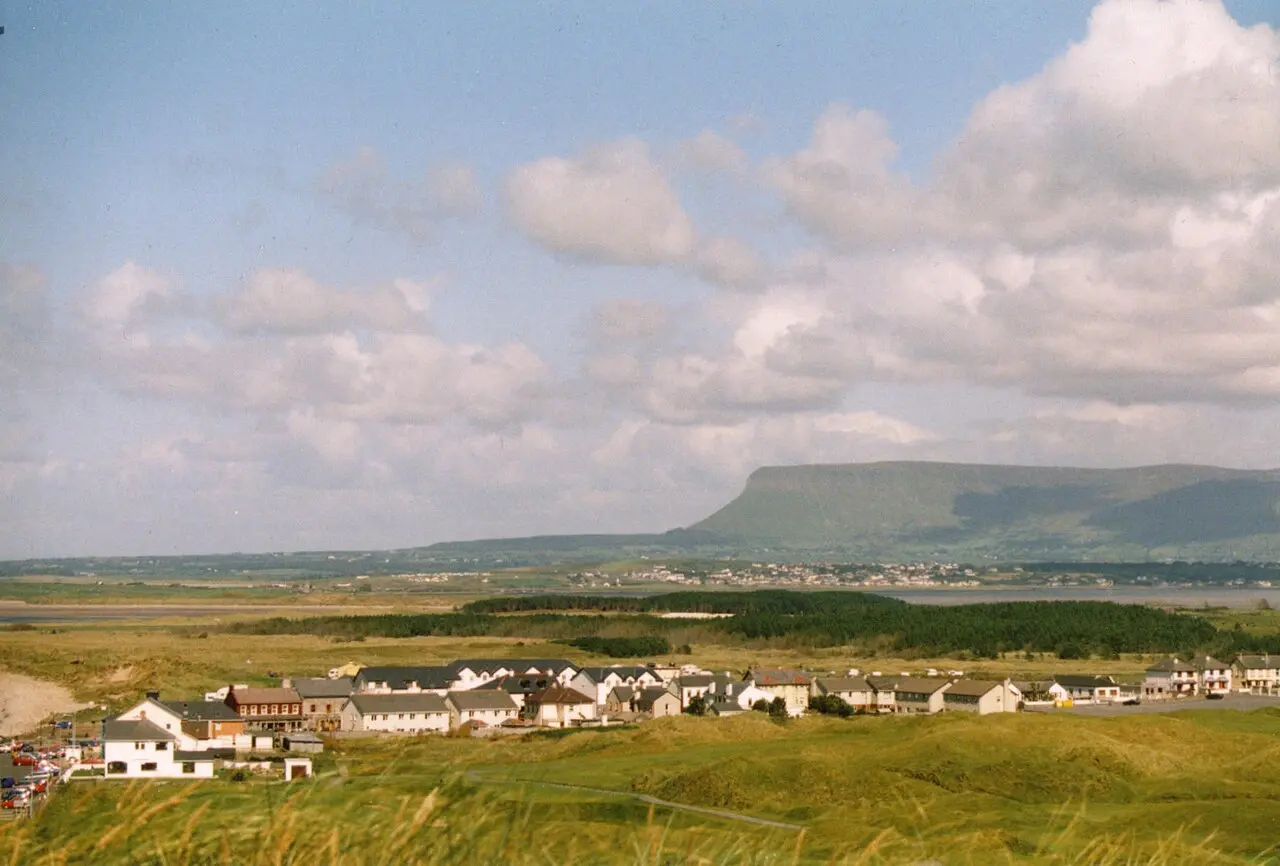
15 courses within 50km
See more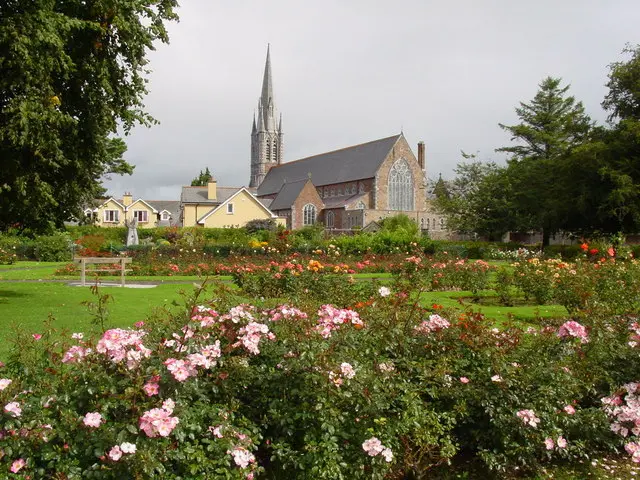
18 courses within 50km
See more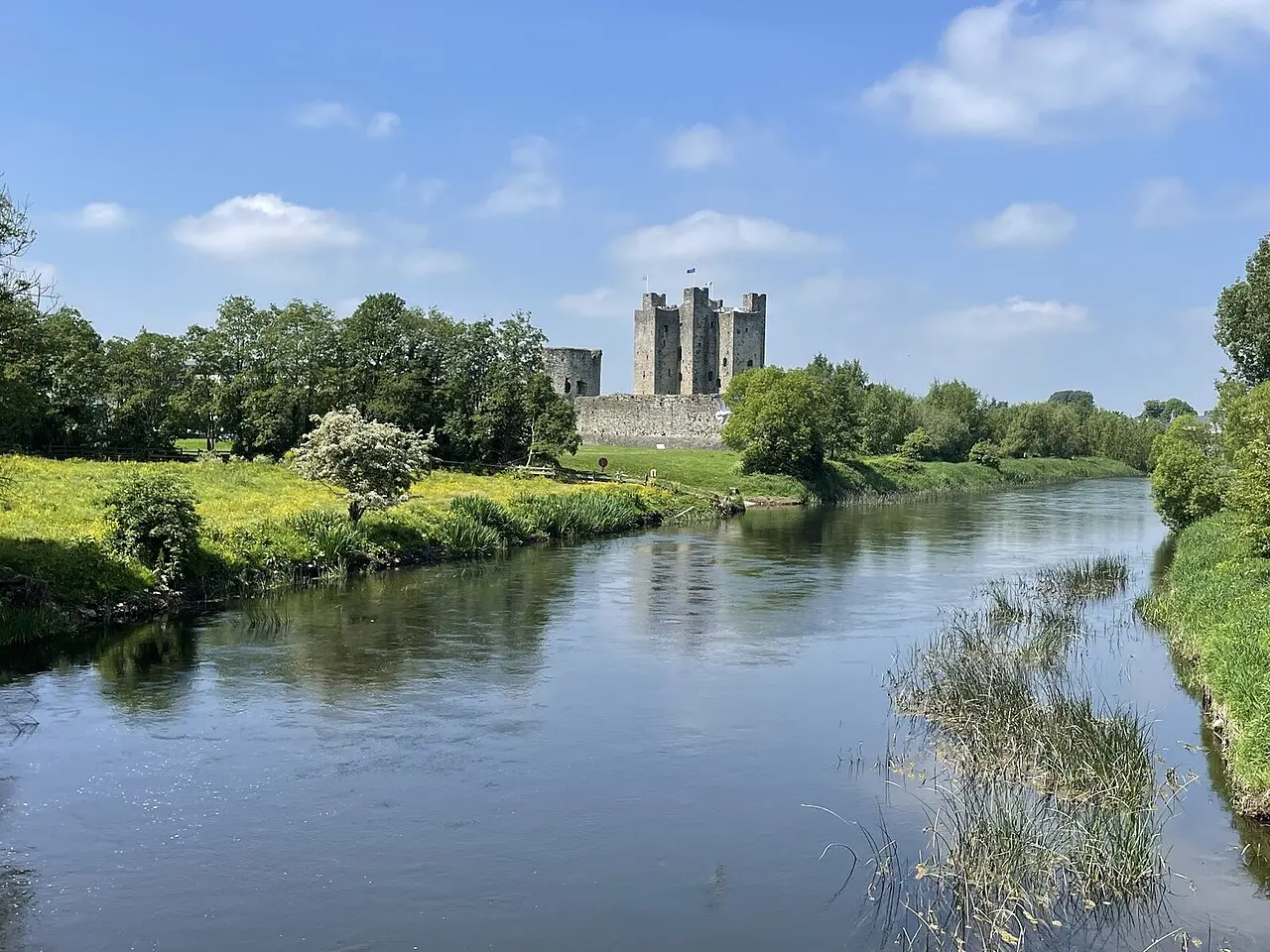
96 courses within 50km
See more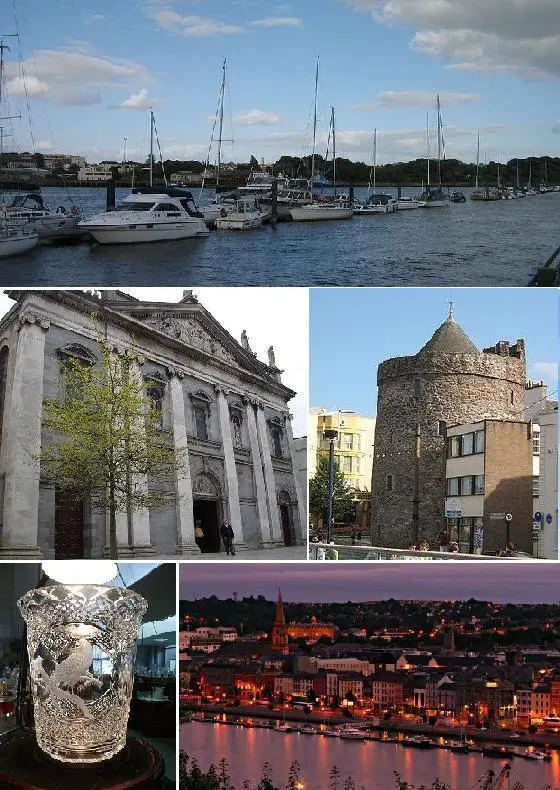
22 courses within 50km
See more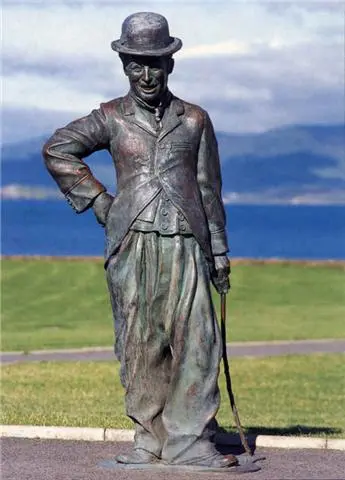
13 courses within 50km
See more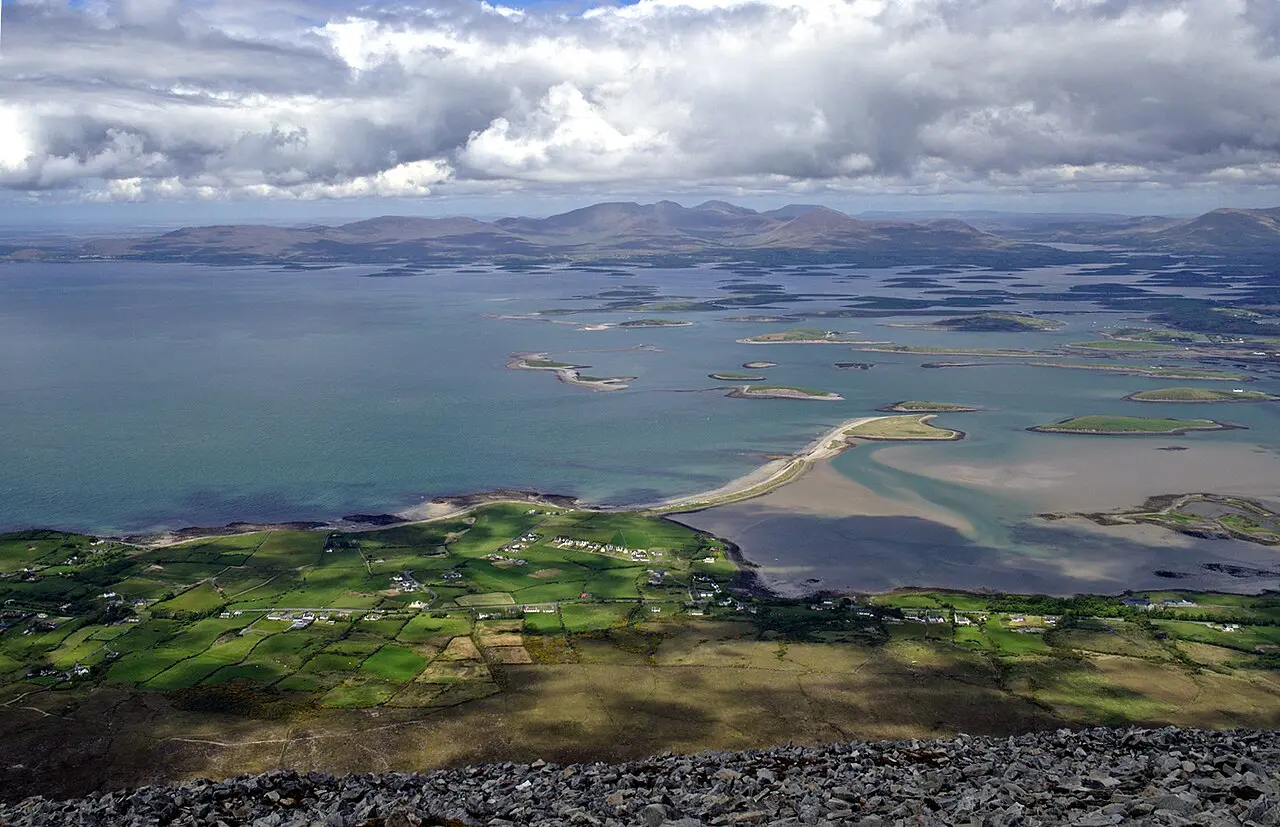
10 courses within 50km
See morePrefer to stay and play? View all of Ireland's stay and play golf resorts here.
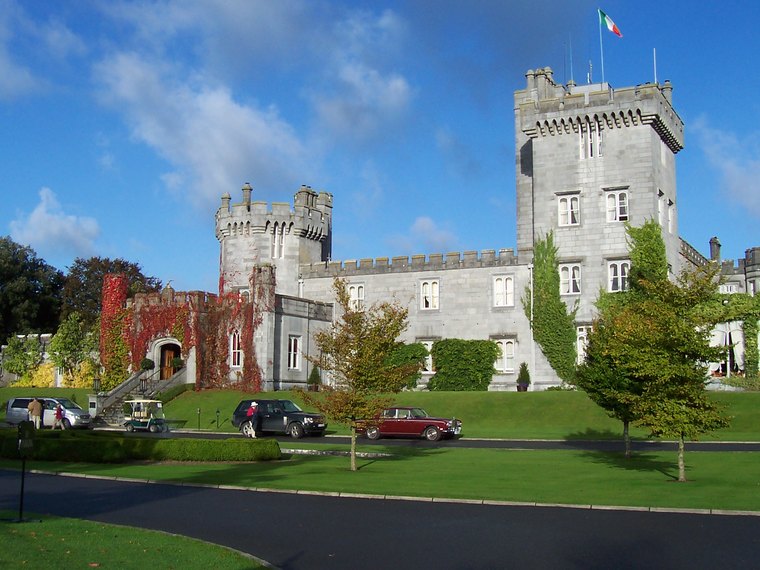
Pure links or parkland?
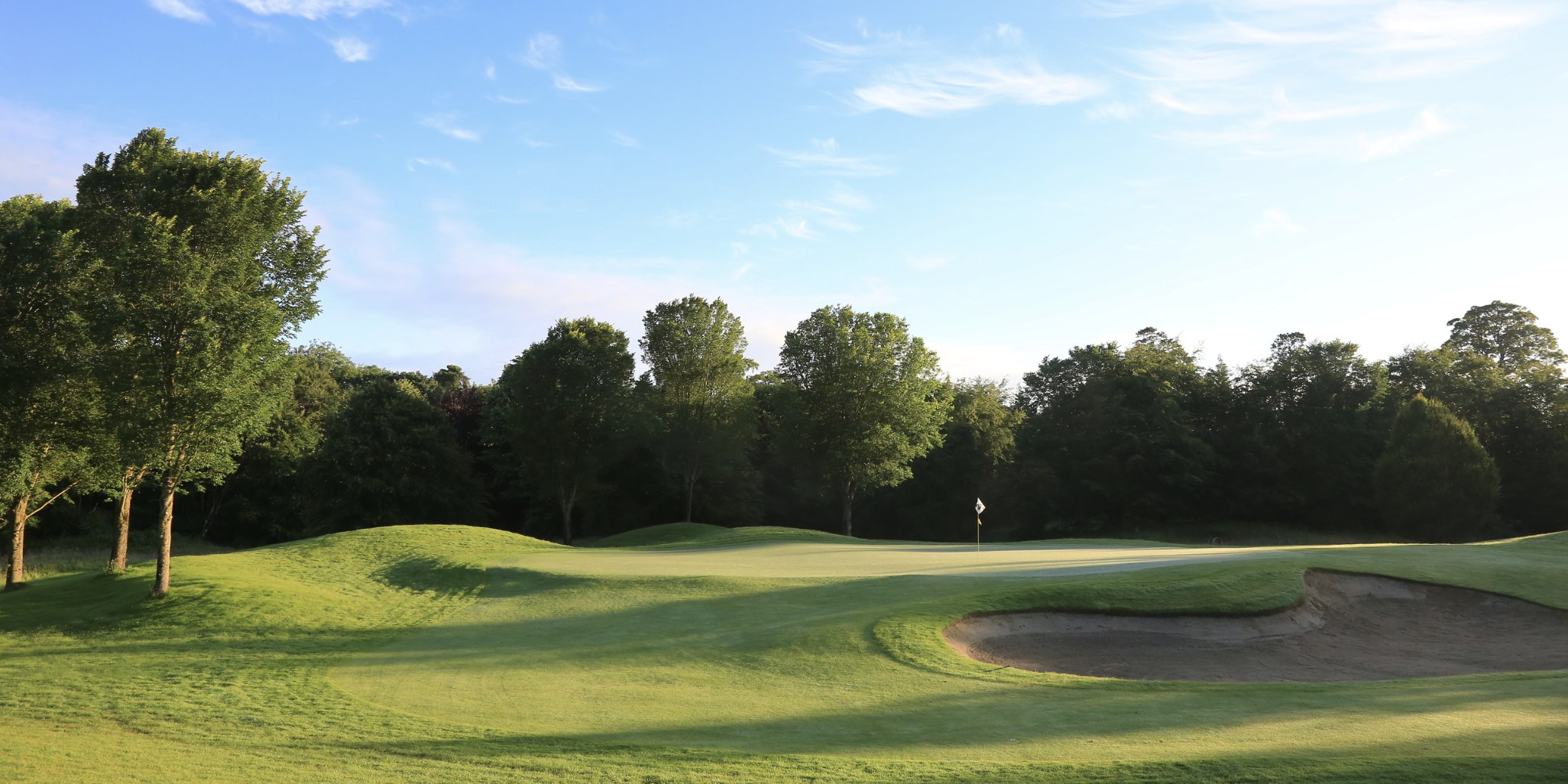
For many, golf in Ireland conjures one thought - rugged fairways and towering dunes. In addition to several of the world's best, Ireland hosts 70 other incredible links and hybrid seaside tracks most visitors have never heard of.
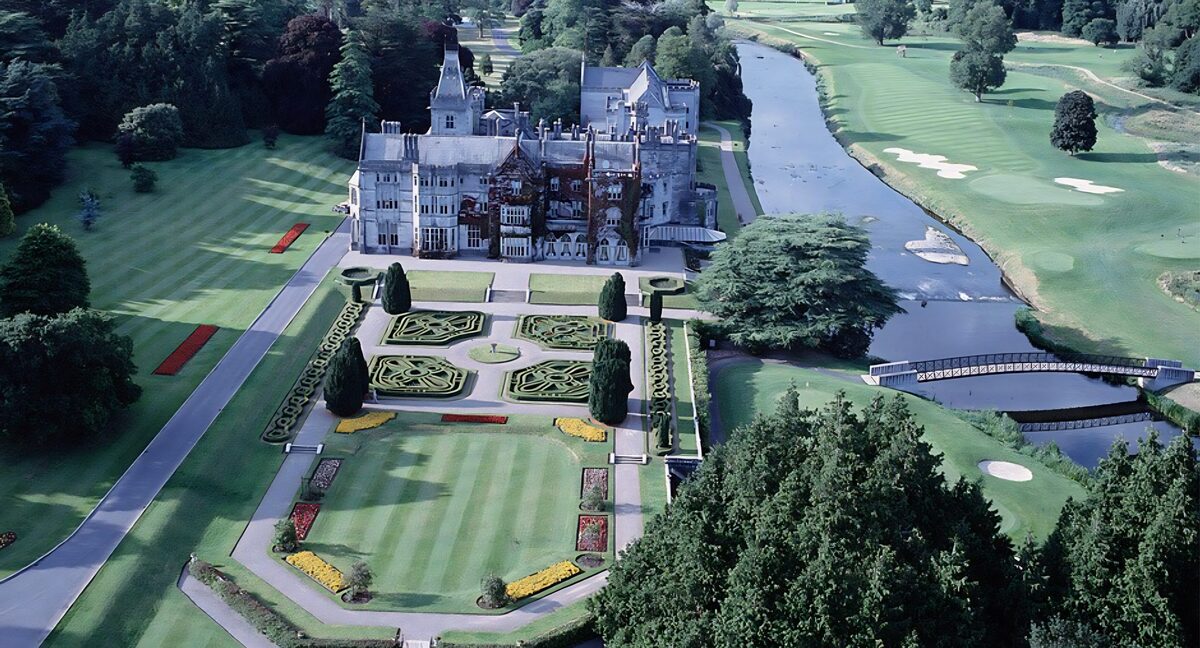
Decision made? Not quite! We strongly suggest your trip includes at least one parkland course. Not only because Ireland's parklands have hosted Ryder Cups, World Golf Championships, Solheim Cup and countless DP Tour Events, but because of a factor unknown to visitors until they get here - Links Fatigue. Constant walking up hills, around dunes, stiff breezes, noise and the mental tiredness of creative shotmaking will make you more tired than you think. You want to be fresh and excited for each round. Not have your senses dulled by playing 4 tough, windy seaside courses in as many days.
Tip: Read more on walkability here.Adding a parkland or two not only acts as a palette cleanser for your game but also helps you bridge the gap between coastal locations.
So while you might think Ireland = links, consider how the depth of Ireland's parklands can make your whole trip more fulfilling.
The Sacrificial Lamb
We've seen many visitors land in Dublin or Shannon airport, grab a few hours of jet-lagged sleep and hit the links after breakfast.
What follows is a sleepy back-9 and a full case of golf amnesia. An out-of-body experience where someone else's legs walk the course and someone else's hands shank your tee shots. It happens, don't worry. Just make sure it's not your bucket-list course it happens on.
Day 1 should be considered a warm-up round. A sacrifice to the golfing gods. Pick a good course that's not too difficult and ease into the trip. Then hit the big ticket courses when your body has fully shaken off the journey.
Easing into the trip? See our perfect warm-up courses.
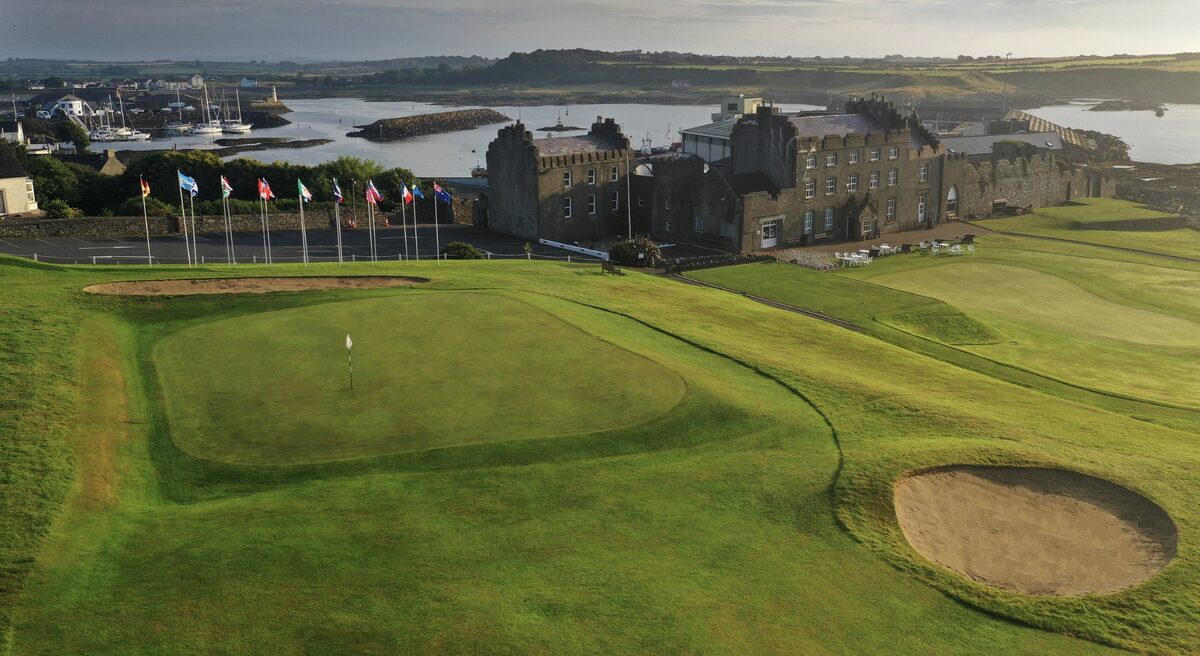 Wondering about airports? Read here
How do I find great courses?
You know the big names - so what else? Start with our free course finder. It covers all 420 courses in Ireland
Maybe you want a warm-up links before Ballybunion or a parkland in-between two coastal tracks. Filter by course type, location, difficulty and much more to discover hidden gems.
Open course finder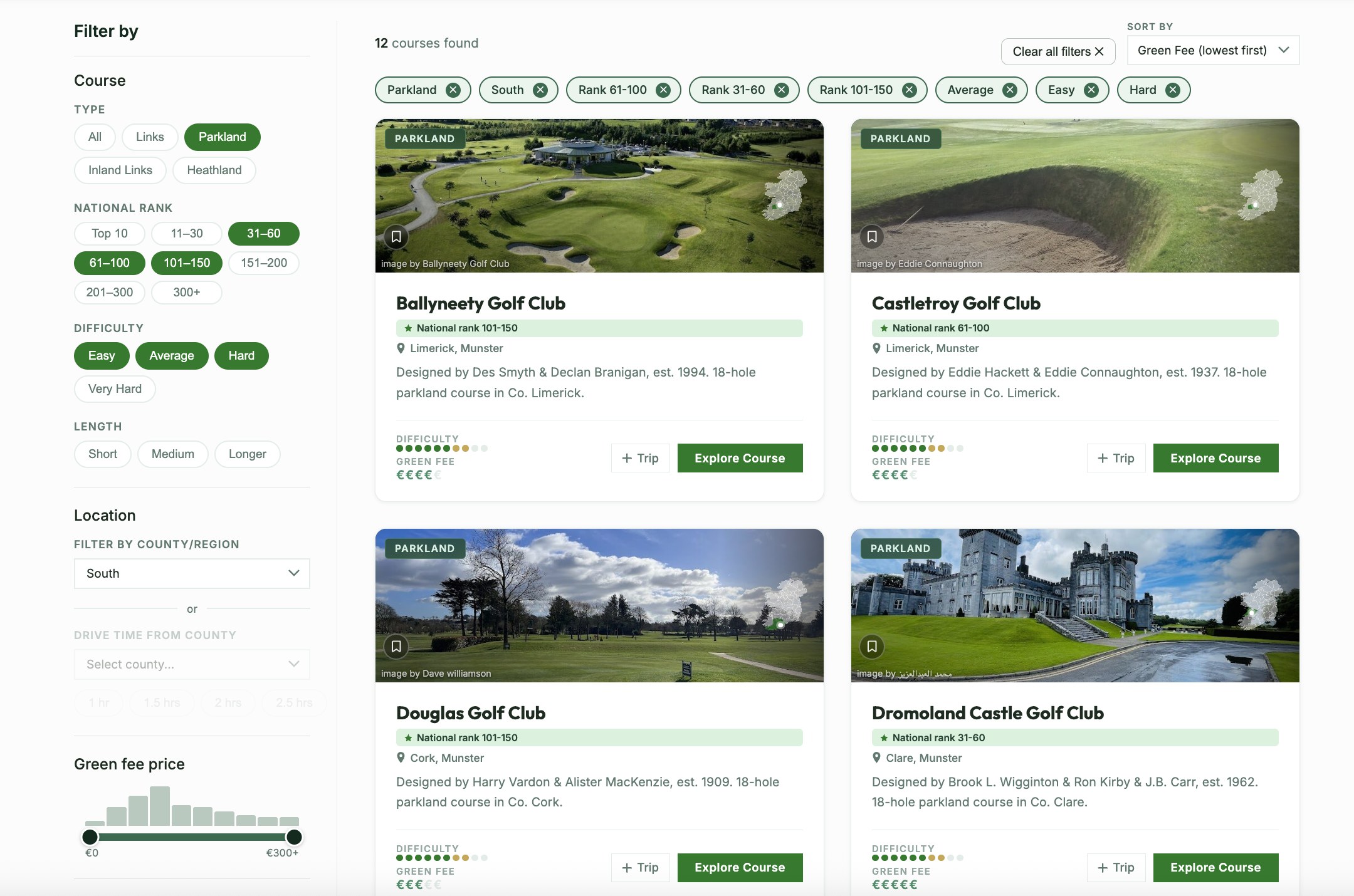
What top courses are easiest to book?
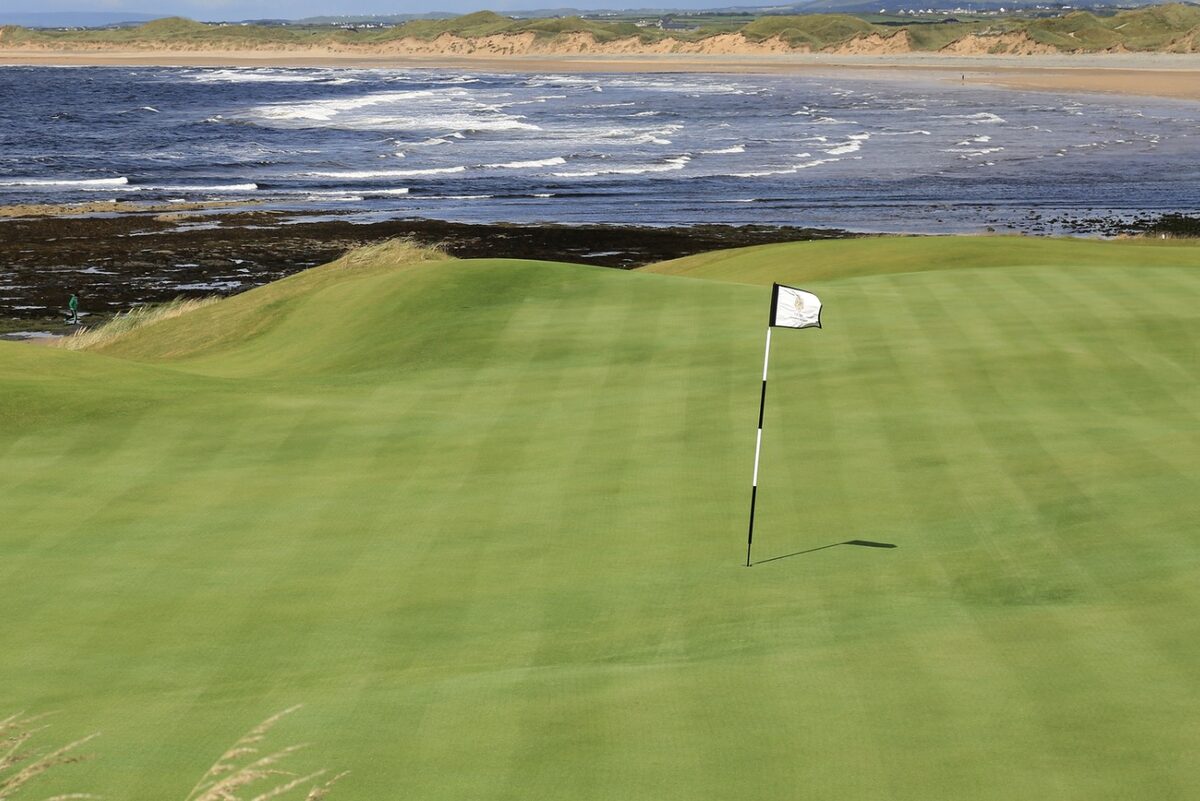
While all top courses are in high demand, some tend to have more availability on shorter notice. If your trip is coming up within the next 3-6 months have a look at the below options…
DIY or golf travel agent?
Each has its pros and cons and there's no wrong answer. You can absolutely plan and book an incredible Irish golf trip by yourself. It even has benefits over an agent (see below).
However, there is one important thing to note about booking via an agent - course access.
Golf travel agents have close relationships with top-tier courses. They can even have exclusive access to certain tee-times. Meaning an agent may often be able to get you onto a course that's otherwise booked out when inquiring yourself.
Quick compare DIY vs golf agent
So, if you want certain top-tier courses and peace of mind up front, an agent may be best for you. If you're more flexible on the courses you play and everyone in your group enjoys some spontaneity, consider self-booking.
Caddies in Ireland
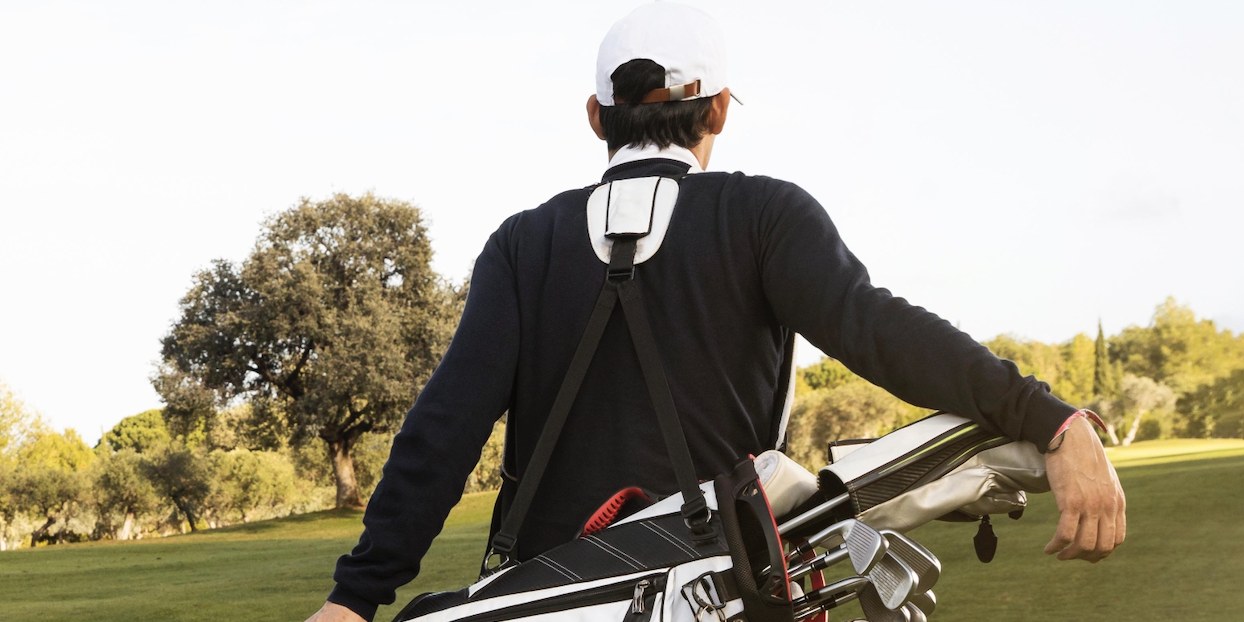
The saviours of many great rounds. Strangers on the first tee and soulmates by the turn.
If you want member's bounces, caddies are available but not widely across Ireland.
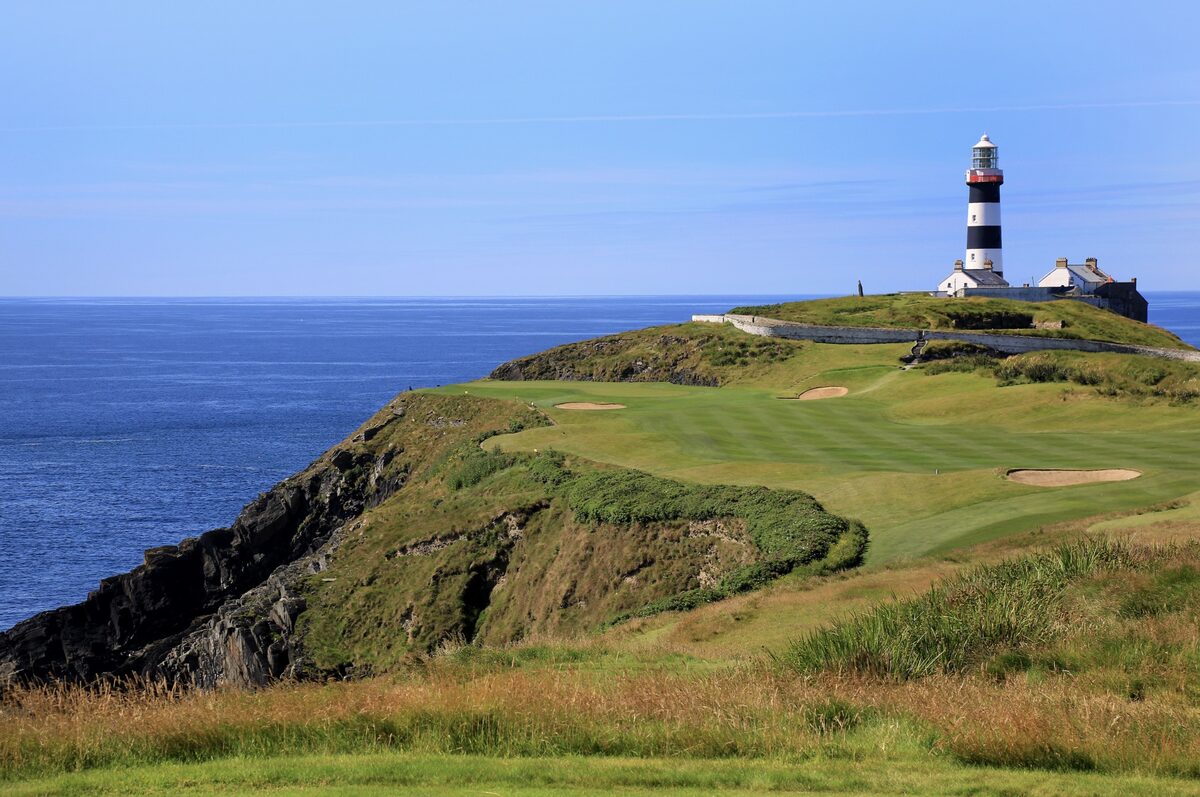
Important: Few clubs in Ireland operate a permanent caddy program (Old Head being one). Meaning for many of these courses caddies will be locals who are called in for your round. Booking in advance is essential. If you arrive on the day and request a caddy you are likely to be disappointed.
Want a caddie on the bag? See the courses where caddies are available.
Tipping
It is customary to tip your caddie in Ireland. How much? You may be tempted to tip based on your score - but local knowledge, attention to detail and some fun along the way is what you're tipping for. Hitting the shots is ultimately on you.
Remember if playing in Northern Ireland you'll be tipping in £ Pounds, not Euro
Buggies, electric trolleys & walking
Be warned, Irish golf is heavily a walking game - especially on links courses. This comes as a surprise to many since buggies are ubiquitous at many North American and European courses.
The reason is simple: Links courses have thousands of severe slopes. Slopes + buggy + excited golfer = hospital. They can also damage the dunes, fescue and turf.
So while you might have hoped for an easy ride to nurse a hangover - they're not readily available and are outright banned on several top courses.
Smaller parklands and hidden gems are likely to have a few buggies but not many as they're predominantly member courses. So much like caddies, booking in advance is strongly advised.
Electric trolleys: are commonly available to rent but supply is limited - even on marquee courses. Our advice - if you're even remotely concerned about energy levels or physical limitations you should absolutely book an electric trolley.
Budget & green fees
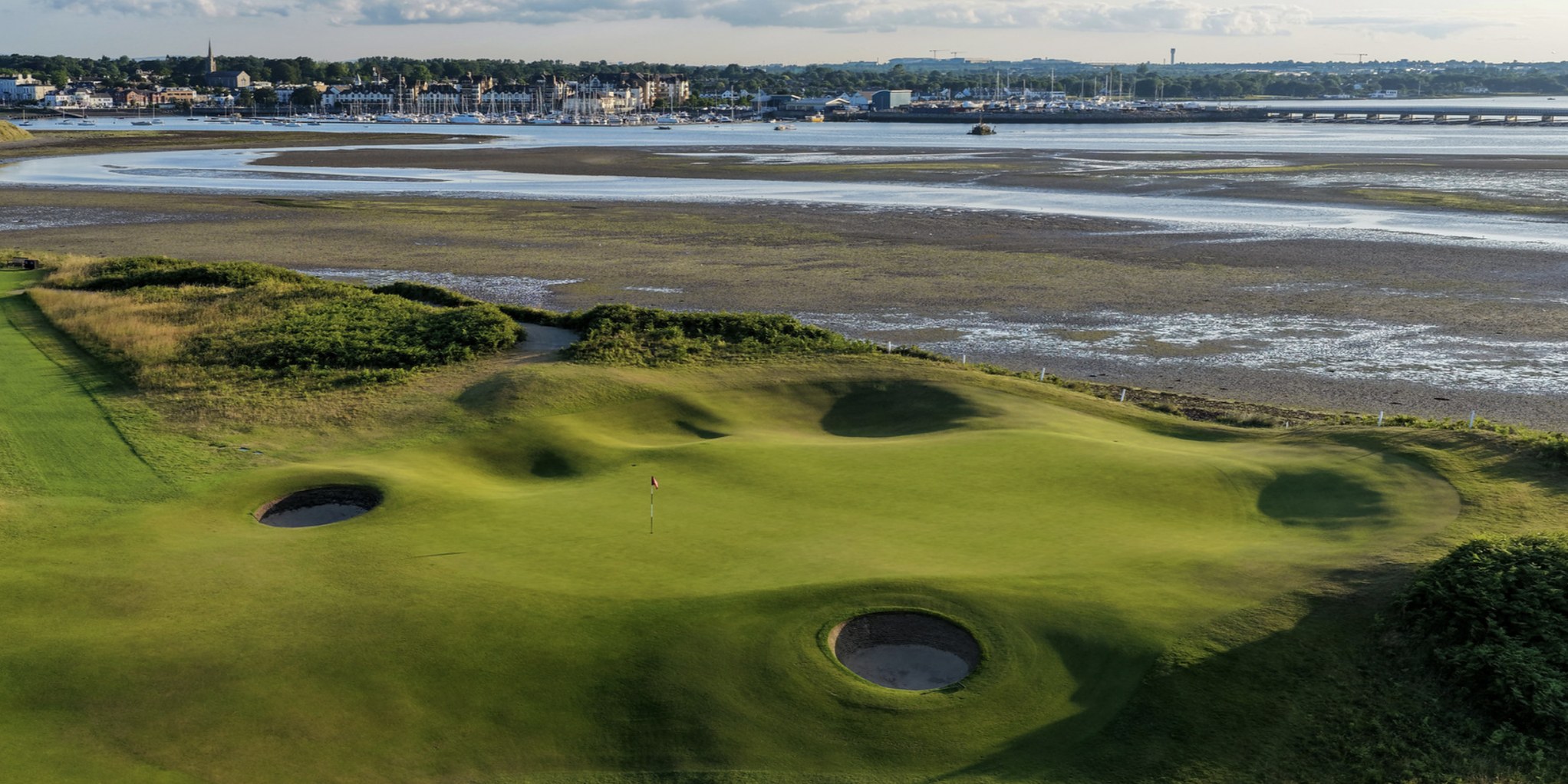
So, how much is this trip going to cost?
First - the trip overall: If you're a weekend warrior coming from Europe, research shows you'll spend an average of €504 daily on your trip (not including your travel costs). If you're visiting from North America you'll likely spend between $750 - $1250 per day - also excluding your travel costs. That includes your full day's costs, not just golf.
For green fees only, our own research shows the below averages for the 2026/2027 season.
Do green fees change by region?
In short, you'll pay more in the South. While parkland prices are quite consistent across the island, the average price of a links course in the South of Ireland is €268. The best value is often found in the West with an average links green fee of €142, followed by the East (€172) and the North (€184).
23 of the top 100 courses in Ireland cost less than €100 per round. See them here
Airports & golf routes
So you know the core golf bases. Where should you fly?
Recap on the main golfing hubs
The two most popular airports for golf trips are Dublin and Shannon. Followed by Belfast and Cork.
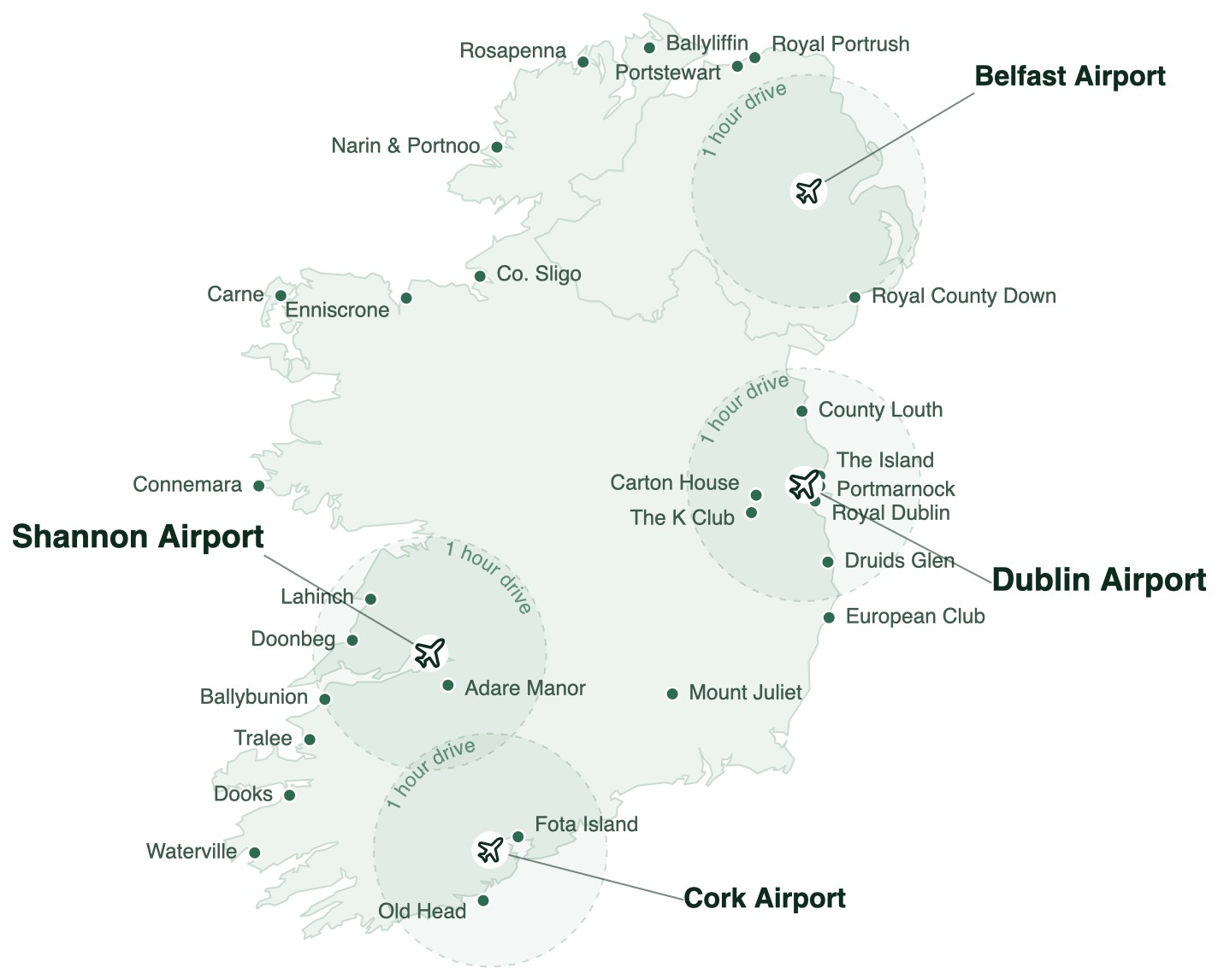
As well as having the most flight options, Dublin and Shannon allow US golfers to pre-clear US Customs on their return flight. Meaning a quick exit from the airport back home.
Popular routes
Start your trip in the capital with day trips to the best courses on the east coast. Most can be reached within 1 hour and even marquee courses in Northern Ireland like Royal County Down can be reached in less than 2 hours.
Once you've hit the big-ticket courses on the east coast, drive Southwest or West to sample the likes of Ballybunion and Lahinch. End your trip immersed in the Wild Atlantic Way before flying out of Shannon Airport.
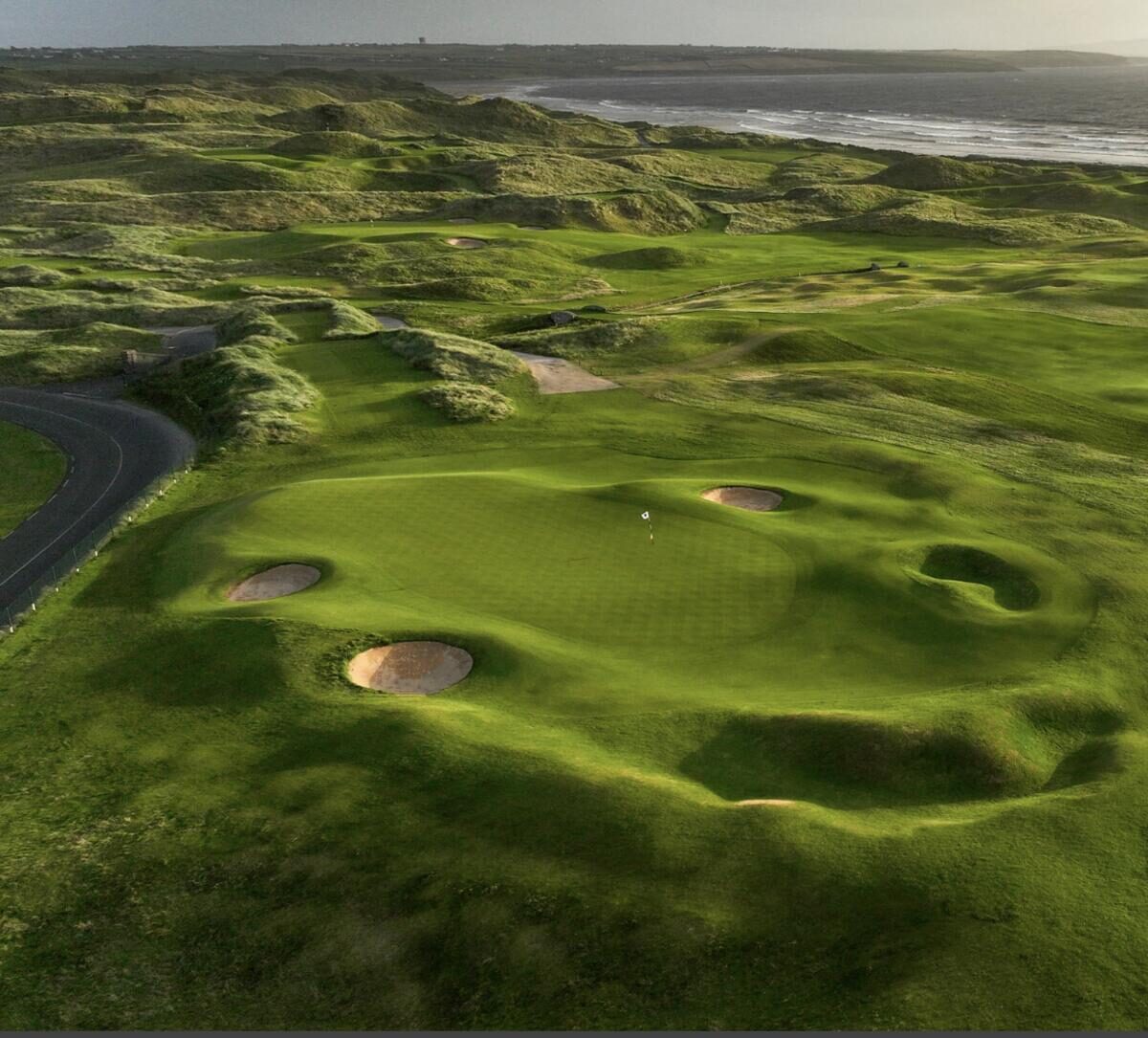
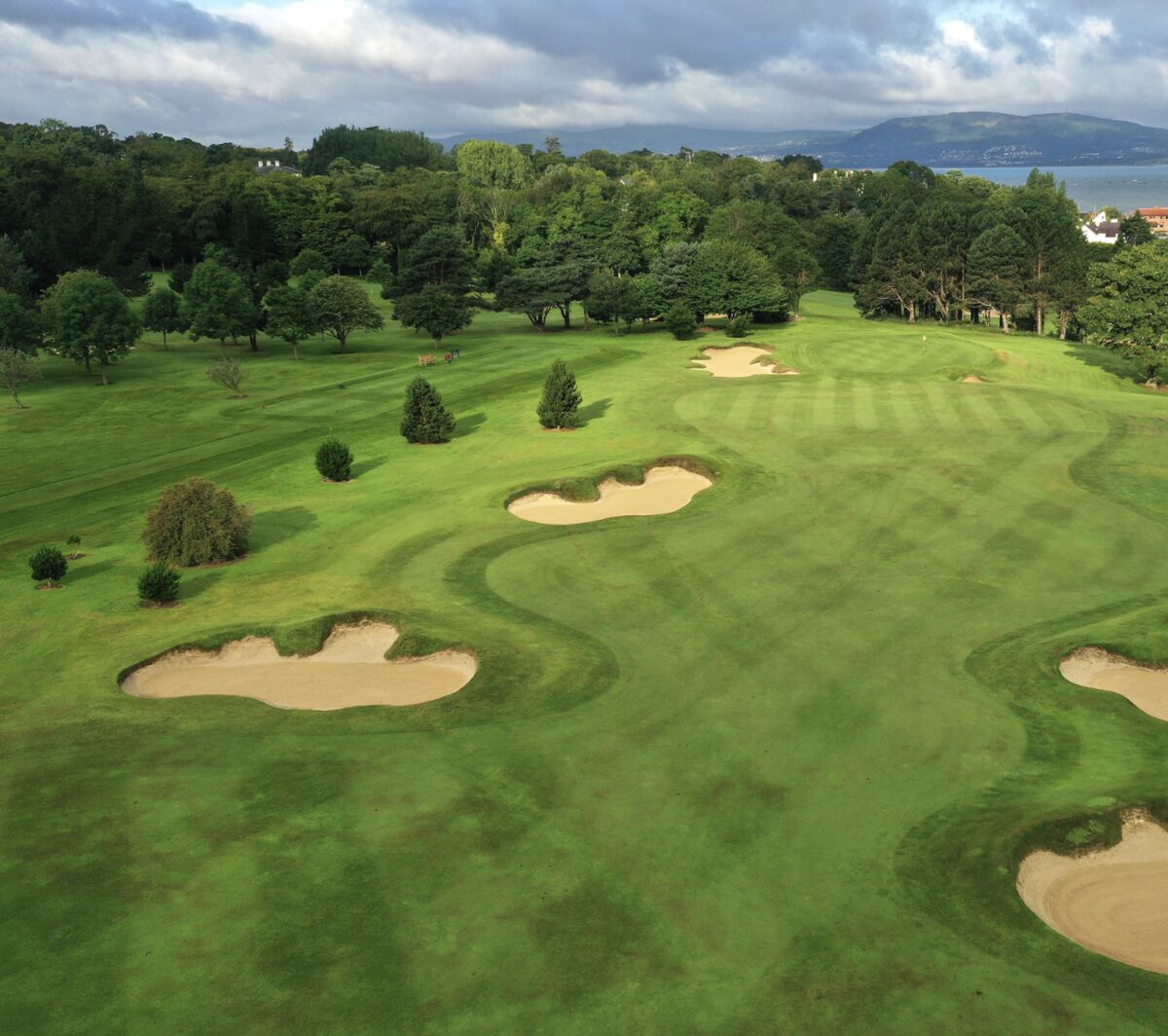
The same as above but reversed. A slightly shorter flight coming from North America and lets you jump right into the rugged coastline before ending your trip in medieval Dublin.
Instead of taking day trips to the closer Northern courses, fully immerse yourself in all Northern Ireland has to offer. Explore attractions like the Giant's Causeway and Belfast city as you follow the coastline from Royal County Down to Royal Portrush.
You can even come full circle with stop offs at Rosapenna, Ballyliffen and County Sligo before flying out of Belfast.
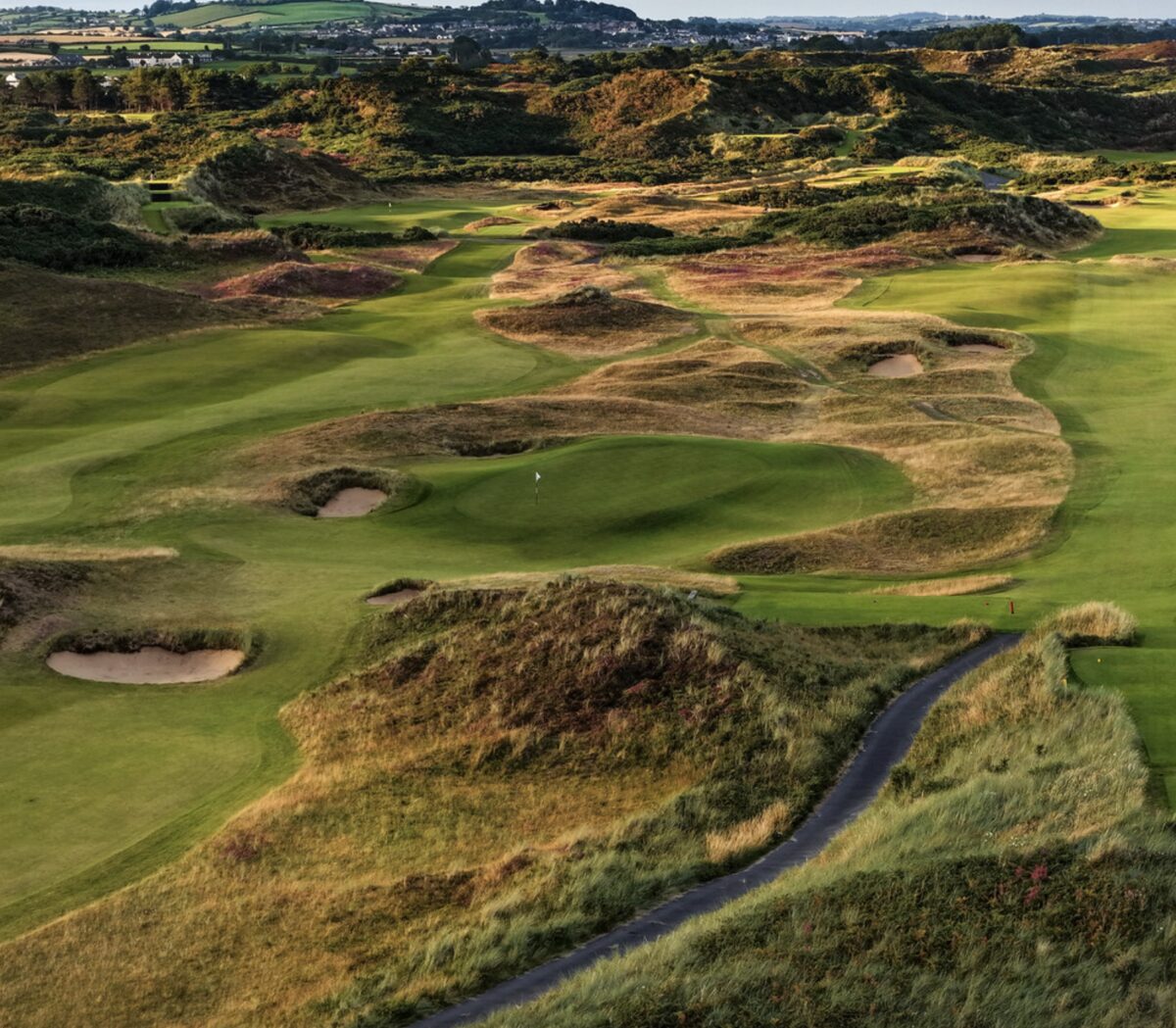
Indulge in one of the most popular 7 day routes in Ireland . A spectacular round trip starting in Dublin before heading south along the beautiful Cork coast. Followed by a pilgrimage up the Wild Atlantic Way.
Finish your trip by exploring the Hidden Heartlands on your way back to Dublin.
Don't see the route you want? Build your own. Pick your courses, towns, attractions and more.
Open the trip plannerGear essentials
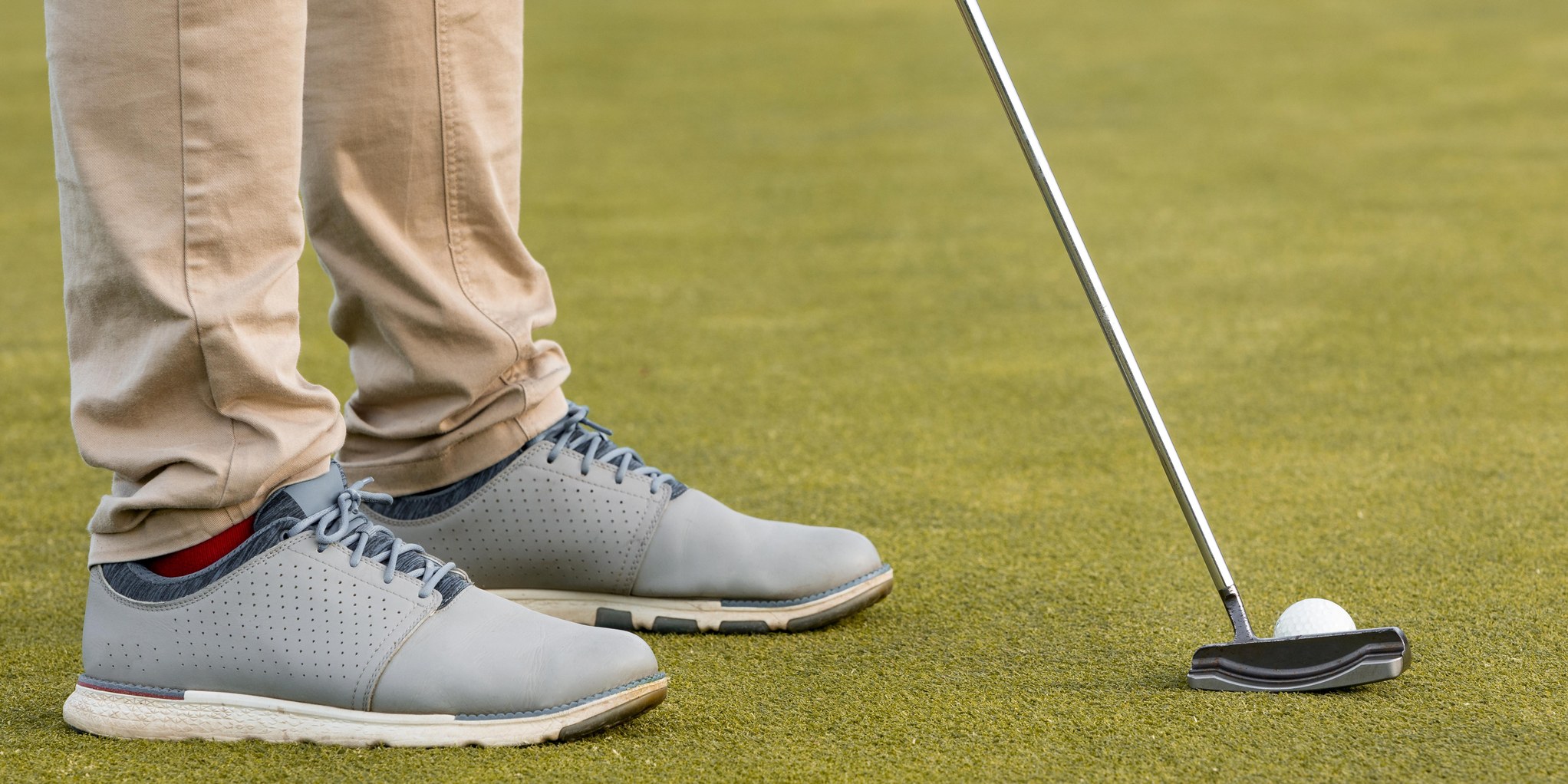
Bring everything you need for all 4 seasons! Because you're likely to get at least 2 of them in each round you play in Ireland.
2 pairs of golf shoes, 2 pairs of waterproof trousers
No matter what time of the year you're playing, rain is always a threat. If you're playing back to back rounds in 2 days the last thing you need is to be squelching to the first tee after investing in a sizable green fee.
You might be tempted to save the space in your bag. Or maybe you're an optimist who thinks 'summer is summer' but many a visiting golfer in Ireland has teed off to blue skies on the first only to be met with a face full of horizontal rain on the 3rd. As the phrase goes, everyone has a plan until they get hit in the face. Make spares your plan. Gloves too.
A 60 degree wedge
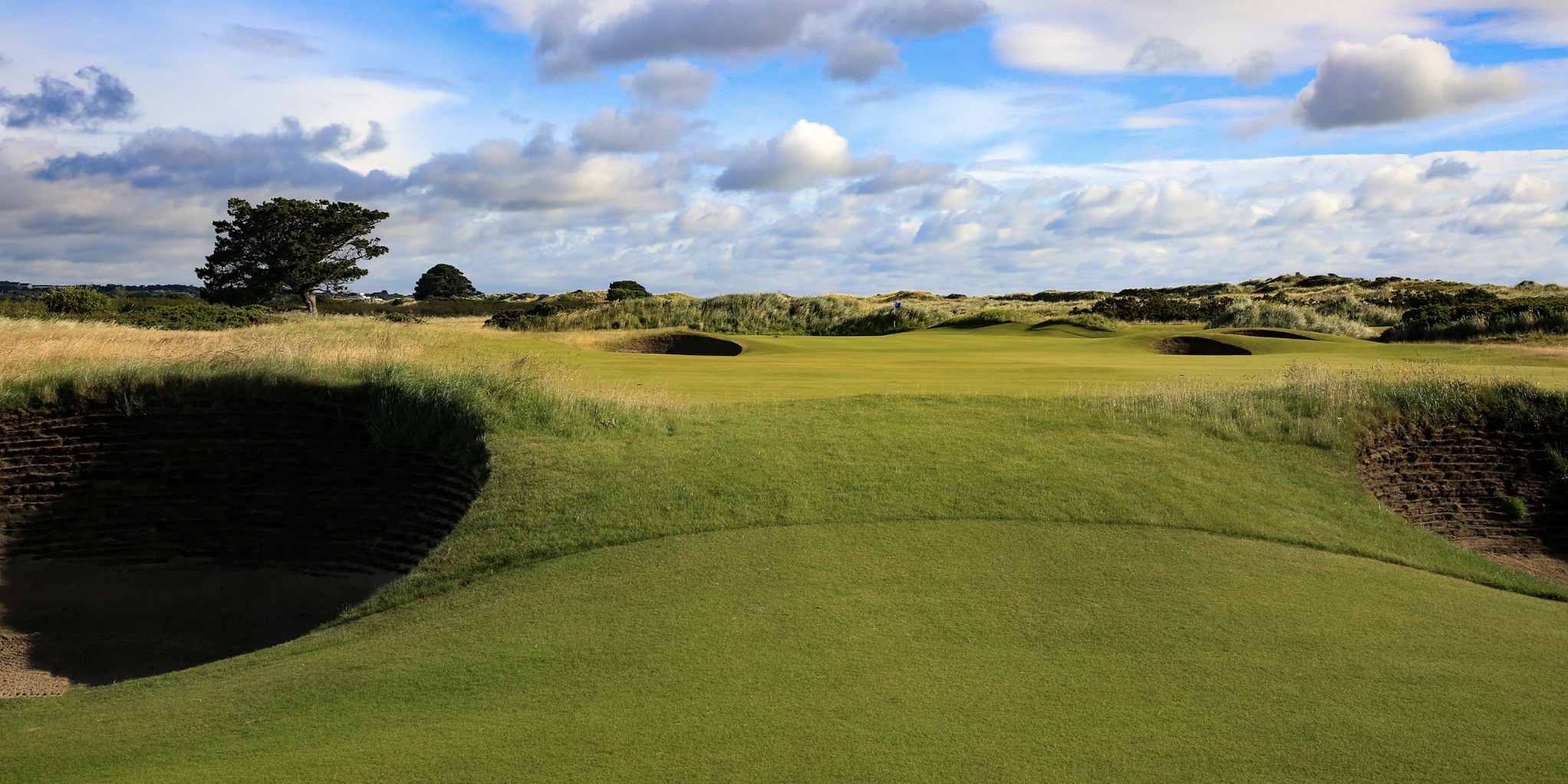
Avoiding links courses entirely is the only way to avoid Ireland's many deep, dark bunkers that are waiting to greet you. It's part of the fun! What's not fun is realising you physically cannot get the ball over the lip of many with a standard sand wedge. If a 60 degree wedge is not part of your current bag, we strongly suggest investing before you fly.
Low-lofted fairway finder
Breezy conditions are the norm and not just on links. Even on parklands crosswinds are always a presence in Ireland.
A club you can hit low to find a fairway is always your friend. You don't have to buy something new. A few range sessions where you play with the loft settings of your driver can be enough. But showing up with ONE club in your bag you can hit low around 200 yards will instantly put you ahead of your friends.
Hand warmers
Especially relevant if you're playing shoulder season. A decent score becomes impossible when you can't feel your hands - as is often the case by the time you reach the 2nd green. Stuff a few pairs in your bag and decide how generous you want to be sharing with your playing partners.